How to Feng Shui Your Bedroom
This site contains affiliate links. We may earn a small commission, at no extra cost to you. Article may contain some images for illustrative purposes only .
Your bedroom is the one room in your home that is working on you even when you’re unconscious, and most people treat it like the last priority after every other room has been sorted out, which is exactly backwards from how it should be.
We spend roughly a third of our lives in this space, and yet so many of us cram in whatever furniture fits through the door and call it done, then wonder why we wake up tired in a room that technically has everything it needs.
Feng shui offers a genuinely different starting point because it’s not about aesthetics first; it’s about flow and energy and setting up a space that actively works for you rather than quietly working against you in ways you can feel but can’t quite name.
The genuinely good news is that fixing it doesn’t require gutting the room and starting over because small intentional changes in where your bed sits, what lives on your nightstand, and what colors surround you while you sleep can completely transform how the space feels to be inside.
What Feng Shui Is and Why It Matters in the Bedroom
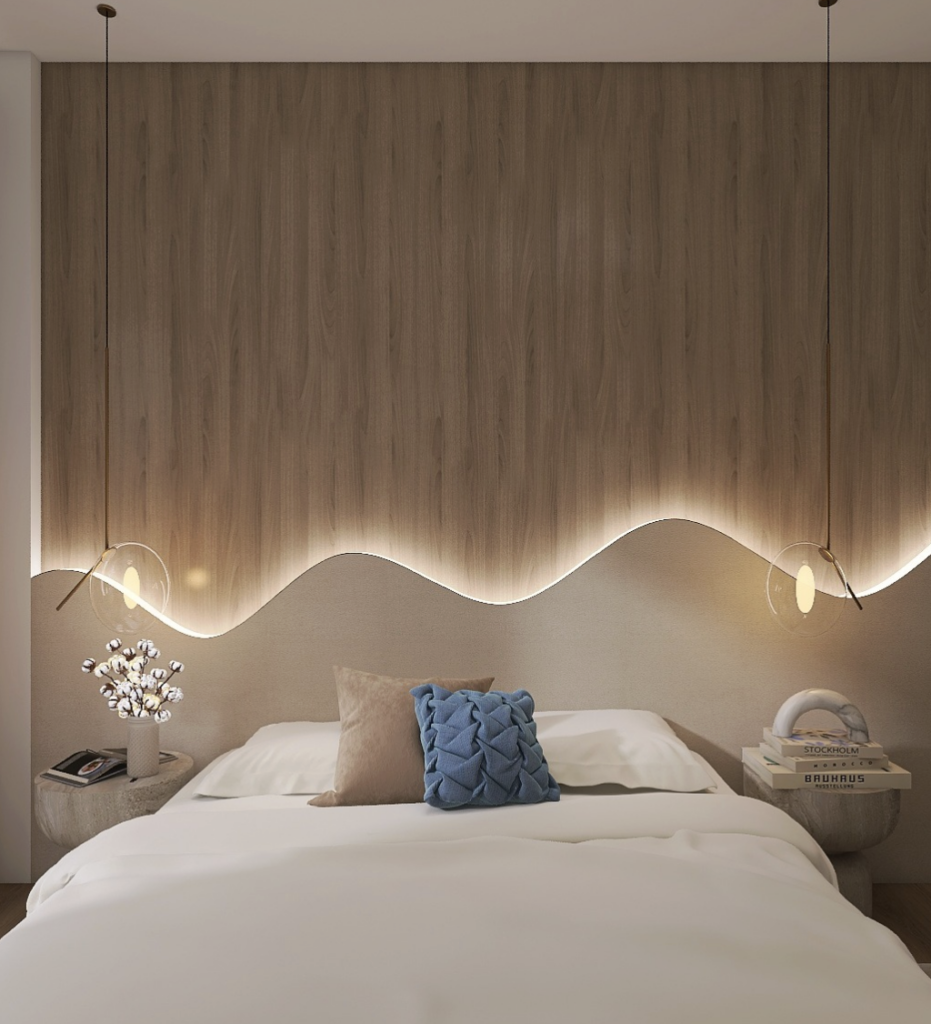
Feng shui is an ancient Chinese practice of arranging your space so energy moves through it properly, and in a bedroom where you’re spending roughly eight hours every night, unconscious and vulnerable to everything around you, that movement matters more than most people ever stop to consider.
When your bedroom has good feng shui, you sleep more deeply, wake up actually feeling restored, and notice a quality in your relationships that’s hard to attribute to anything specific but is very real.
This isn’t about making everything look pretty, although that’s a welcome side effect (never saying no to that); it’s about setting up a space that works with your nervous system rather than quietly against it.
The energy concept sounds abstract until you walk into a room that has it right and feel your shoulders drop before you’ve consciously registered anything.
Start With Decluttering and Clearing Visual Noise

Look, before you even think about Feng Shui, you’ve got to deal with the mess first. Yes, yes, I can hear you groan through the screen, but this is a non-negotiable.
Clear everything off the floor because when the floor is open, energy can actually travel through the space instead of getting stuck against a pile of things you meant to deal with last month.
Surfaces covered in knick-knacks and random objects are making your brain quietly tired every time you look at them, so keep a few things you genuinely love and let the rest go.
The space under your bed is a significant one; storing boxes and old belongings under there disrupts your sleep in ways that are subtle but consistent and worth taking seriously.
Go through your closet and donate what you haven’t touched in a year because packed closets trap stagnant energy, and once you clear them, the whole room shifts in a way that feels almost immediate.
How Bed Placement Affects Sleep and Energy- Position Your Bed for Maximum Energy Flow

Your bed placement is doing more work for your sleep quality than your mattress is, and most people have never once thought about it.
The best position is diagonally across from your door so you can see who’s coming in without being directly in line with the doorway, which feng shui calls the command position because it gives your nervous system the subconscious signal that you’re safe and in control while you sleep.
Keep your headboard away from a bathroom wall because the plumbing and water energy behind your headboard creates a restlessness you’ll feel but won’t be able to explain.
Windows behind the headboard leave you feeling exposed and unsupported in that same inexplicable way, so a solid wall is always the right choice for where your head rests.
When you find the command position and your bed is properly placed, you’ll notice the difference in your sleep quality faster than you’d expect.
Choosing the Right Bed, Mattress, and Headboard

Once placement is sorted, you need to actually think about what’s going on in that spot because a wobbly bed frame and a flimsy headboard are undermining everything else you’re trying to build here.
Get a solid bed frame that doesn’t shift or creak because the physical stability translates directly into a sense of security while you sleep, and that’s not a small thing.
Your mattress is where you’re spending a third of your life, so this is genuinely not the place to cut corners and call it a budget decision.
A headboard should feel substantial and grounding. Wood adds warmth and coziness to the whole room, and padded versions are great if you like sitting up to read, while headboards with lots of bars or cutout designs create a choppy, unstable energy that works directly against the calm you’re trying to build.
Mirrored furniture used thoughtfully can also enhance the sense of space without the energy disruption that comes from a mirror placed directly opposite the bed.


Creating Balance and Symmetry in the Room
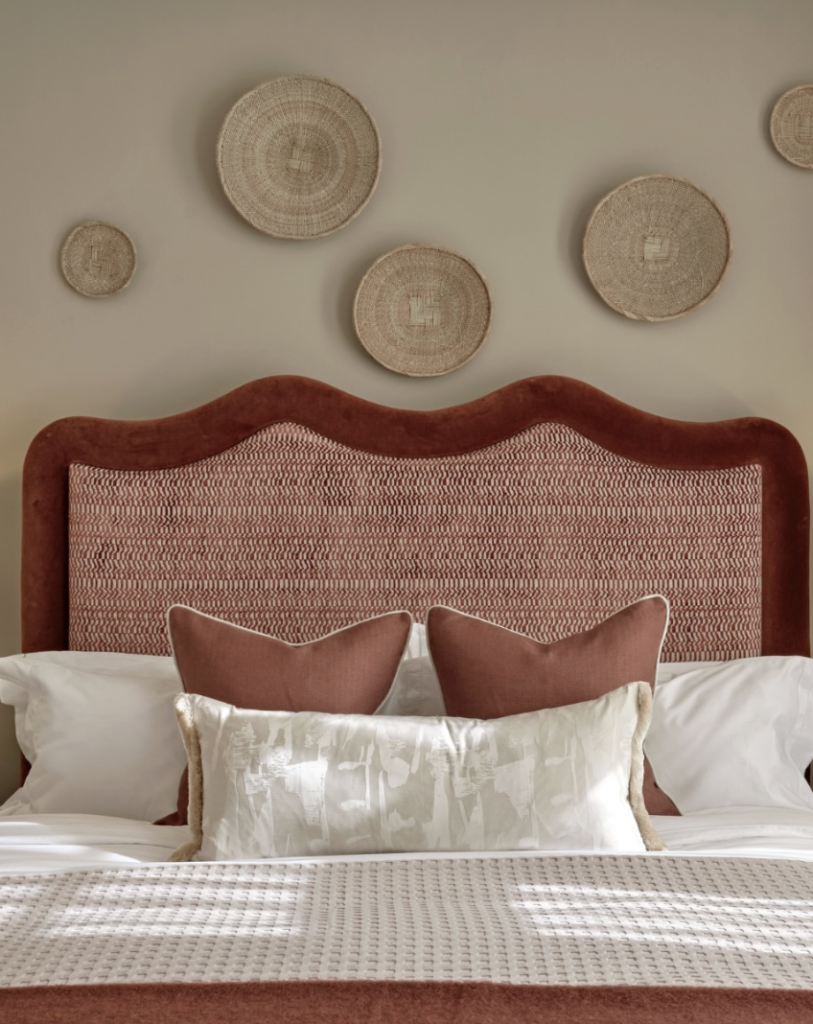
Balance and symmetry are the quiet secret behind every bedroom that feels immediately right when you walk into it and immediately wrong when they’re missing.
Matching nightstands on both sides of the bed with lamps that work together creates a harmony that your nervous system registers before your conscious mind does, and distributing furniture evenly around the space rather than clustering everything against one wall makes the room feel settled and intentional.
Your decor should have complementary pairs rather than a collection of unrelated objects that look like they arrived from different houses at different times.
Colors need to work together in a way that feels cohesive and calm, rather than competing for attention across the room, and a neutral soft palette does more for the serene atmosphere of a bedroom than almost any other single decision.
| Element | Balanced Approach | Imbalanced Approach |
|---|---|---|
| Furniture | Even distribution | Clustered arrangement |
| Decor | Complementary pairs | Random, chaotic items |
| Colors | Harmonious palette | Overwhelming contrasts |
When everything is distributed thoughtfully around the space, the room stops feeling like furniture storage and starts feeling like somewhere you actually want to be.
How to Arrange Furniture for Better Flow

Beyond the bed itself, every piece of furniture in your bedroom is either supporting the energy flow or disrupting it, and the difference shows up in how the room feels to move through every single day.
Keep the space around your furniture genuinely open, so you’re not squeezing through tight gaps or doing that sideways shuffle past the dresser every morning because physical restriction creates energetic restriction, and they feel remarkably similar.
Sharp corners pointing directly toward your bed are a problem worth addressing because even if you’re not consciously aware of them, your nervous system is registering that pointed energy all night long, so angle them away or soften them with a plant.
Skip heavy items like bookshelves positioned above where you sleep because the subconscious weight of something large overhead creates a low-grade stress that accumulates over time.
The room should feel balanced and easy to move through because a space you can navigate freely is a space where energy can do the same.

Best and Worst Colors for a Feng Shui Bedroom

Your bedroom colors? They actually matter way more than you’d think for getting good sleep.
For ideal relaxation, consider:
| Color Palette | Emotional / Energetic Effect |
|---|---|
| Muted Pinks | Encourage loving energy without overstimulation |
| Soft Blues & Greens | Connect to nature and help reduce stress |
| Neutral Earth Tones | Ground energy and create a sense of stability |
| Gentle Lavenders | Promote spiritual awareness and peacefulness |
Stay away from bright red, though. Orange is pretty bad, too. These colors basically wake your brain up when you’re trying to wind down. Purple can do the same thing, even though it seems calm at first.
Pink is kind of cool if you want more loving vibes in your space. Lavender does something with spiritual energy or whatever, which some people are really into.
The best approach is to pick one calming color as your main thing. Then maybe add small touches of other colors here and there.
Don’t go overboard with the accents, though, or you’ll mess up the whole relaxing effect you’re going for.
Balance Yin and Yang Elements
Yin represents calm, cool, and receptive qualities, while yang embodies active, warm, and vibrant ones, and a bedroom that’s too heavily weighted toward either extreme will show up in your sleep quality and your mood in ways you’ll feel long before you identify the cause.
Balance these elements in your bedroom:
- Combine soft textiles (yin) with structured furniture (yang)
- Mix cool colors like blue (yin) with warm accents like red or orange (yang)
- Incorporate both curved shapes (yin) and angular designs (yang)
- Balance dim, ambient lighting (yin) with natural daylight (yang)
Adjust the proportions based on what you actually need right now because someone going through a period of exhaustion needs more yin, while someone who needs motivation and energy in the mornings might benefit from slightly more yang presence in the space.
Incorporate the Five Elements Strategically
To achieve complete Feng Shui harmony in your bedroom, you’ll need to incorporate all five elements—Wood, Fire, Earth, Metal, and Water—in a balanced arrangement.
| Feng Shui Element | How It Appears in a Space | Energy It Encourages |
|---|---|---|
| Wood | Plants, wooden furniture, natural textures | Growth, vitality, creativity, fresh energy |
| Fire | Candles, warm lighting, electronics, red accents | Passion, motivation, confidence, excitement |
| Earth | Crystals, ceramics, clay decor, square shapes | Stability, grounding, balance, nourishment |
| Metal | White or metallic decor, round shapes, silver/gold accents | Clarity, focus, precision, organization |
| Water | Mirrors, fountains, glass, blue or black tones | Flow, communication, calmness, emotional connection |
Don’t overcrowd with any single element.
Instead, strategically position these elements according to the Bagua map, ensuring each maintains appropriate representation without dominating the space.
Lighting Choices That Support Rest

Lighting in a bedroom does something to your nervous system that most people completely underestimate and then spend years wondering why they can’t wind down properly at night even in a room that looks perfectly nice.
Soft dimmable lights that mimic what natural light does during sunset are what you’re after because bright overhead lighting is actively working against every other sleep-supporting thing you’ve done in the room.
Himalayan salt lamps give off a genuinely calming glow that changes the entire feeling of a bedroom in the evening and bedside lamps let you read without flooding the space with the kind of light that tells your brain it’s still afternoon.
Dimmer switches are one of the smartest investments you can make in a bedroom because the ability to control brightness based on what you’re actually doing like finding something in your bag versus winding down for sleep. This is more valuable than it sounds until you have it.
Avoid harsh fluorescent or bright LED lighting that makes your bedroom feel like an interrogation room because nobody has ever relaxed well under that kind of light and nobody ever will.

How Mirrors Impact Bedroom Energy

Mirrors in your bedroom can totally change how the space feels. If you’re into Feng Shui stuff, you’ll want to be careful where you put them.
Don’t stick a mirror right across from your bed because it bounces energy around and might mess with your sleep. That’s what they say anyway.
The best spot for mirrors is anywhere that’s not directly facing your bed or the door.
Got those big mirrored closet doors? Throw a curtain or sheet over them before bed if you want to keep things calm. It might sound weird, but some people swear it helps them sleep better.

Managing Electronics and Technology
Look, I get it, we’re all glued to our devices these days. But your bedroom really needs to be that one place where you can actually unwind and get decent sleep.
The thing is, all those screens mess with your brain when you’re trying to rest. TVs don’t belong in bedrooms, period.
The same goes for your computer and gaming setup. I know it’s tempting to have everything in one spot, but trust me on this one.
Your phone is probably the worst offender, though. Charge it in the bathroom or kitchen overnight instead. You’ll sleep way better when you’re not tempted to scroll at 2 am.
And yeah, this means buying an actual alarm clock, not those cheap ones from Target work just fine. It feels old-school, but that’s kind of the point. Your bedroom should feel different from the rest of your plugged-in life.
Tablets, laptops, all of it, find them a home somewhere else. Your sleep quality will thank you later.
Storage Rules That Support Calm Energy

Look, we need to talk about what you’re stashing in your closets and drawers. All that stuff you’ve crammed in there? It’s actually messing with your sleep more than you think.
The space under your bed needs to be totally empty. I know it’s tempting to slide storage bins under there, but don’t. Just trust me on this one.
Your closets should only be about 70% full. Seriously, if you’re jamming things in there, it’s time to get rid of some stuff. You don’t need everything you own.
Keep your nightstand simple, like, really simple. Only put things you actually use every night. Your nightstand isn’t a junk drawer.
For your dresser drawers, organize things by type. Socks with socks, shirts with shirts. It sounds boring, but it actually helps you feel calmer when you open them.
Plus, you’ll stop digging through piles of random clothes every morning. Implementing grouping and labeling for your items can also enhance organization and promote a serene environment.
The whole point is that when everything has less clutter, your bedroom feels more peaceful. And a peaceful room means better sleep, which is kind of the entire goal here.
Select Meaningful Art and Décor

The art on your bedroom walls is communicating with you energetically every time you’re in the room and the question worth asking about every piece currently hanging there is whether it’s saying something you actually want to hear.
Choose imagery that resonates with your intentions and promotes rest for relationship energy hang artwork depicting pairs, birds, or flowers rather than solitary figures, and avoid water imagery in the bedroom specifically because despite looking calming it can actually suppress romantic energy in the space.
Only keep objects that genuinely make you happy because random things collecting dust are draining energy from a room rather than contributing to it and a bedroom with fewer meaningful things always feels better than one crowded with things that mean nothing.
Hang everything at eye level rather than too high because the energy flow that comes from properly placed art is about the relationship between the art and the people in the room, not the ceiling.
Layered textures in the decor add comfort and warmth that no amount of carefully chosen art can achieve on its own.
Using Natural Materials and Elements

Natural materials in a bedroom change the feeling of the space in a way that synthetic ones genuinely cannot replicate and this is coming from someone who’ve tried and tested it.
Wood furniture and accents bring a sense of growth and living energy that makes a room feel inhabited rather than decorated, while stone does something completely different but equally valuable by grounding the space and making everything feel solid and stable.
Cotton bedding is probably the easiest single switch you can make because your body breathes better, you sleep cooler, and the difference in comfort between natural and synthetic fabrics becomes immediately obvious the first night.
Plants clean your air while making the room feel genuinely alive, and there’s something about having living things present that shifts the energy in a bedroom toward something warmer and more human.
Water features create calm flowing energy and you don’t need anything elaborate like even a small tabletop element does the job, but the botanical and natural elements are doing something your body responds to at a level that goes well beyond aesthetics.
Enhance Relationship Energy With Pairs

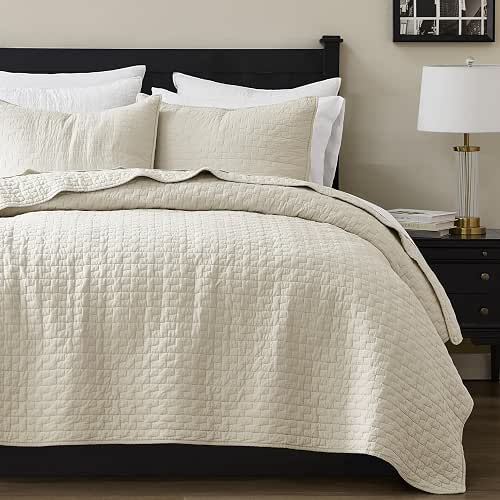
Partnerships in feng shui require balanced energy, which can be established through the intentional pairing of objects in your bedroom.
Place matching nightstands and lamps on both sides of your bed to create symmetry and harmony. Avoid single imagery; instead, opt for artwork depicting pairs of birds, flowers, or mountains to reinforce relationship chi.
Display couples’ photos in the southwest corner, your relationship area, using frames made of earth elements like ceramic or clay.
If you’re single but seeking a partnership, leave space on one side of your bed and create symbolic pairs throughout the room to attract balanced romantic energy into your life.
Address Ceiling Beams and Sharp Corners
While creating a serene bedroom environment, you’ll need to carefully evaluate ceiling beams and sharp corners that can disrupt energy flow throughout your sleeping space.
Ceiling beams directly above your bed create what feng shui practitioners call “cutting chi,” generating pressure and negative energy. Install a canopy bed or hang fabric to diffuse this effect. Alternatively, reposition your bed away from overhead beams entirely.
Sharp corners pointing toward your bed create harmful “poison arrows.” Neutralize these by placing plants or fabric screens to interrupt the cutting energy.
Round furniture naturally avoids this problem. For built-in corners, use strategic lighting or corner shelves to soften their impact on your bedroom’s energetic harmony.
Use Essential Oils and Natural Scents

Beyond addressing the physical elements in your space, scent plays a powerful role in creating balanced feng shui energy. Essential oils can alter your bedroom’s chi when strategically diffused.
Select scents that align with your feng shui intentions:
- Lavender and chamomile promote relaxation and peaceful sleep
- Bergamot and ylang-ylang enhance romance and partnership energy
- Cedarwood and sandalwood ground excessive yang energy
- Citrus oils like orange and lemon clear stagnant energy
Please please avoid synthetic fragrances that disrupt natural energy flow. Instead, incorporate pure essential oils through diffusers, linen sprays, or reed diffusers positioned in the bedroom’s health or relationship corners.

Maintain Proper Door and Window Alignment
According to traditional feng shui principles, proper alignment of doors and windows creates ideal energy flow throughout your bedroom.
Avoid positioning your bed directly in line with the door (the “coffin position”) as this disrupts peaceful energy. Instead, place your bed diagonally across from the door, maintaining visibility of entryways without direct alignment.
Windows behind the headboard create unstable chi, potentially causing sleep disturbances. If possible, position your bed against a solid wall with windows to the side.
Don’t place your bed between a door and a window, as this creates a disruptive “wind tunnel” effect. This arrangement can drain energy and disrupt sleep quality.
Balance the Energy With Plants and Crystals

Once you’ve optimized your bedroom’s layout for proper energy flow, introducing plants and crystals can further enhance the feng shui balance.
Select elements that promote tranquility while purifying the air.
- Place jade plants in the southeast corner to attract prosperity
- Position amethyst crystals near your bedside to improve sleep quality
- Add a small potted bamboo on your desk to enhance mental clarity
- Use rose quartz on your nightstand to nurture romantic relationships
Don’t overcrowd your space with too many elements. One or two well-placed plants and crystals will suffice.
Cleanse your crystals regularly under moonlight to maintain their energetic properties.
Common Feng Shui Bedroom Mistakes
Look, you might think you’re doing everything right with your bedroom setup, but some sneaky feng shui mistakes could be messing with your sleep.
Most people don’t even realize they’re doing these things wrong.
- Mirrors are the biggest culprit. If you’ve got one facing your bed, it’s basically bouncing energy around all night long. That’s why you might be tossing and turning.
- Your bed placement matters too, having it lined up straight with the door is called the “coffin position” for a reason, and yeah, that’s as bad as it sounds.
- Electronics are another problem. Your treadmill, TV, or even just your phone charger sitting near your bed creates this weird, buzzing energy that disrupts the whole vibe.
- Same goes for any workout equipment, it’s bringing active, pumped-up energy into a space that’s supposed to be calm and restful.
Easy Fixes When Your Layout Is Not Ideal
Look, most of us don’t have picture-perfect bedrooms, and honestly? That’s totally fine. Your room can still feel amazing with a few quick fixes.
Mirrors are your best friend here. Put one where it catches natural light or makes your space feel bigger.
Folding screens are another solid move when you’ve got a weird corner or something you want to hide. They’re cheap, and you can move them around until it feels right.
Plants help soften those harsh corners that just look… off. A big leafy one in the corner changes everything.
If your bed has to go in a spot where the door hits it weirdly, try angling it diagonally instead of shoving it straight against the wall. It sounds strange, but it actually works better sometimes.
The whole point is working with what you’ve got. Not fighting against your room’s quirks. Consider adding floating shelves to utilize vertical space and keep your room organized without bulky furniture.
How to Maintain Good Feng Shui Over Time
Look, setting up good feng shui is one thing, but you’ve got to actually keep it up, or everything just goes back to feeling weird.
It’s not like you can arrange your room once and forget about it forever.
Try to declutter at least once a week. I know that sounds like a lot, but stuff piles up fast, and then the energy just gets stuck.
It’s like when your brain feels foggy because your desk is a mess.
Every few months, when the seasons change, swap out some things. Maybe throw on different pillows or grab a new plant.
It doesn’t have to be expensive or anything. Just something to keep the space from feeling stale and boring.
The monthly energy cleanse thing is pretty important, too. You can burn some sage if that’s your vibe, or just use bells or one of those singing bowl things.
Honestly, even opening all your windows and letting fresh air blow through works. The point is you’re clearing out any gross energy that’s been building up.
Altering your bedroom with these feng shui principles will revolutionize your sleep quality and overall well-being. You’ll notice improvements almost immediately as you implement proper bed placement, declutter regularly, and incorporate natural elements.
Even when your space isn’t perfect, small adjustments can make a mountain of difference. Remember, maintaining good feng shui isn’t a one-time task, it’s an ongoing practice that continues to reward you with balanced energy and peaceful rest.