Organize Using Japanese Inspired Minimalist Home Organization Technique: A Room-by-Room Guide
This site contains affiliate links. We may earn a small commission, at no extra cost to you. Article may contain some images for illustrative purposes only .
There is a specific kind of exhaustion that hits on a Sunday afternoon when you’ve cleaned the whole house, and it still doesn’t feel peaceful, and you can’t quite explain why, and I want you to know that exhaustion has a name, and it’s not laziness, it’s containment thinking.
Western organizations keep asking, “Where can I put this?” and the answer is always more bins, more shelves, more labeled boxes until your home looks organized in photographs and still feels heavy to actually live inside.
Japanese minimalism asks a completely different question, not where does this go, but does this deserve to be here at all, and that shift changes everything about how a space feels rather than just how it looks. This guide blends principles from Japanese minimalism, the KonMari method, and 5S efficiency systems into a practical home framework.
This room-by-room guide will help you turn a house full of things into a home full of intention without turning it into a stark white box that stresses you out every time you set something down.
The Foundation — Philosophy Before Action
Before you touch a single sock or open a single junk drawer, you must understand the why. Without the philosophy, organizing is just moving piles from one room to another. It is a temporary fix for a spiritual and habitual problem.
Danshari: The Mindset of Release
Unlike “spring cleaning,” which is a chore we dread, Danshari is a practice of liberation. The word breaks down into three distinct, powerful actions:
- Dan (Refusal): This is the gatekeeper. It is the act of stopping the inflow of unnecessary items. It means saying no to the free conference tote bag, the hotel shampoo bottle, the “buy one get one free” deal on something you didn’t need in the first place.
- Sha (Disposal): This is the physical act of letting go. It is the recognition that an item’s purpose in your life has been fulfilled. Perhaps it was a gift that made you feel loved at the time, but now it sits in a closet making you feel guilty. Sha is thanking the item and releasing it to the universe.
- Ri (Separation): This is the hardest part. It is detachment from the ego of ownership. It is the freedom from thinking, “But I spent so much money on this!” or “What if I need it someday?” That “someday” is stealing the joy of “today.”
The 5S Methodology: The Factory Floor Meets the Living Room
While Danshari provides the emotional and spiritual framework, 5S provides the logistical structure. Developed on the factory floors of Toyota to ensure efficiency and safety, this system is the backbone of the Japanese organization. It is a step-by-step, repeatable process and super easy to recreate.
- Seiri – Sort: The great purge. Separate the necessary from the unnecessary. This is the KonMari “Discard” phase. If it’s broken, duplicate, or unused, it leaves the building.
- Seiton – Set in Order: A place for everything, and everything in its place. But this is not a random placement. It is placement based on flow. The coffee mugs go above the coffee maker. The spatula goes next to the stove. Items are arranged for the human using them, not for the convenience of the shelf.
- Seiso – Shine: Cleaning as inspection. You cannot see the chip in the floorboard or the sticky hinge if the surface is covered in clutter and dust. When you clean a bare surface, you see the problems.
- Seiketsu – Standardize: Creating visual cues. This is the “tape outline” on a mechanic’s tool board. It means making the system so obvious that a guest could put the scissors back in the right spot.
- Shitsuke – Sustain: The habit. This is the hardest ‘S’. It is the discipline of returning the remote to its exact spot even when you’re tired. It is the ritual that keeps the house clear.
The Vision Exercise: The KonMari “Ideal Lifestyle”
Before you touch a single item, you must know what you are aiming for. Do not think, “I want this room to be less messy.” That is a negative goal. Think, “What do I want to do in this space?”
Close your eyes in your living room. Do you see yourself doing slow yoga stretches on the floor at 6:00 AM? Do you see yourself reading a book without a pile of papers in your peripheral vision? Hold that image. That is your North Star. Every decision you make about what to keep must support that vision.
The Category Cleanse — Tidying by What, Not Where
This is the single most transformative shift in Japanese home organization.
When you tidy by location (the room), you are just moving items from the living room to the bedroom closet. That’s not organizing; that’s hiding. Tidying by category forces you to confront the total volume of what you own. It is shocking and effective.
Fuku (Clothing) — The KonMari Fold
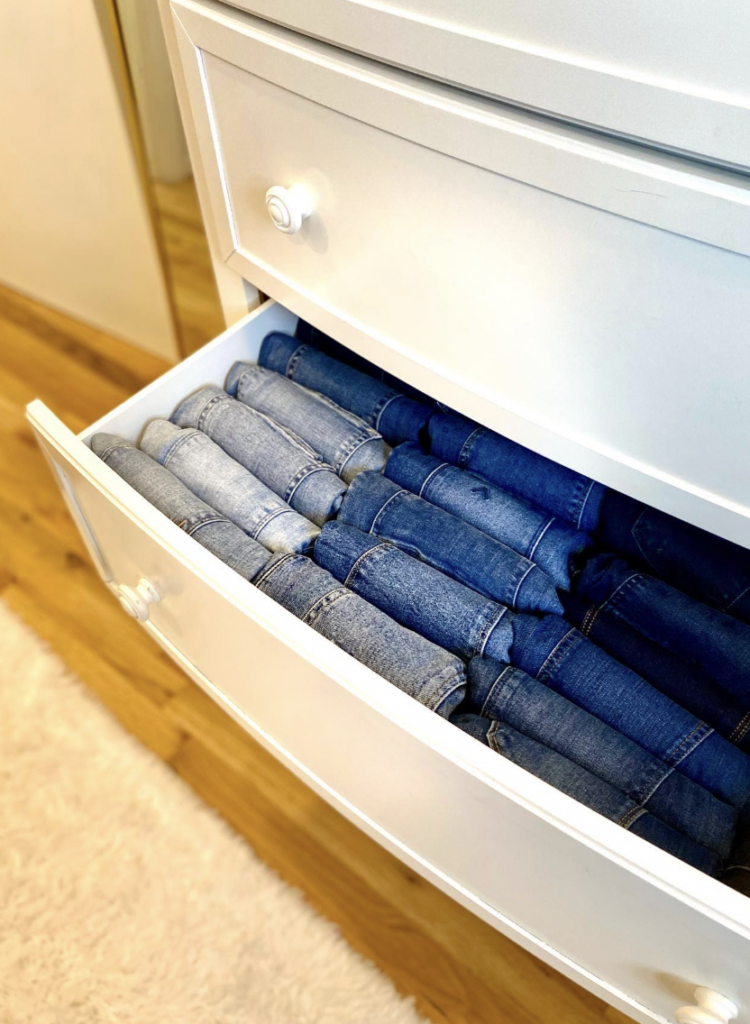
Gather every single piece of clothing you own. Check the hall closet, the gym bag in the trunk of the car, and the winter coats in the basement. Pile it all on the bed or the living room floor. The sheer size of the mountain is often enough to cure you of wanting to buy another sweater.
- The Tokimeki Test: Pick up each item, one by one. Do not ask, “Does this fit?” (That’s a logic question, and logic will talk you into keeping the ill-fitting pants “just in case”). Ask the body, “Does this spark joy?” Does holding it make you feel light or heavy? If it feels like an obligation, a reminder of a body you no longer have or a life you no longer lead, thank it for its service and place it in the donation bag.
- The Vertical Fold (The File System): This is the secret weapon against the “messy drawer.” In the West, we stack clothes like pancakes. The shirt at the bottom is crushed, forgotten, and never worn. In Japan, clothes are folded into small rectangles and stand upright in the drawer like files. There is no digging. There is no rummaging. There is only calm, immediate access.
- Hanging Exception: Only hang items that “want to hang.” Delicate silk blouses, wool suits, and long coats need to hang to maintain their shape. Everything else belongs in the vertical file drawer.
Shomotsu (Books & Papers)
This is where the intellectual ego takes a hit. In Japanese minimalism, a book is for now. It is not a trophy to prove you read Proust in college.
- The Unread Shelf Rule: If a book has been sitting on your shelf unread for two years, you are not going to read it. You are keeping it as furniture or as a symbol of an aspiration that no longer fits your life. Release it. Let it find a new reader who needs it now.
- Paper Purgatory (The One Touch Rule): Paper is the kudzu of the modern home. It grows overnight. The only way to stop it is the One Touch Rule. Every piece of mail, every flyer, every school permission slip is touched exactly once.
- Touch it.
- Decide: File, Act, or Recycle.
- Do it immediately.
Never place it in a “To Sort Later” pile. Later is a mythical land that does not exist. Unlike Narnia, there is no coming back.
Komono (Miscellany) — The Junk Drawer Exodus
This is the Bermuda Triangle of organization. This is where dead batteries live alongside a lone Allen wrench from a bookshelf you sold three years ago and a pack of soy sauce from takeout night.
- The Mottainai Trap: Mottainai is a beautiful Japanese concept expressing regret over waste. It is a reverence for resources. But it is often misapplied to clutter. Keeping a broken rice cooker in the garage because it was expensive is more wasteful than throwing it away. Why? Because it is wasting space and peace.
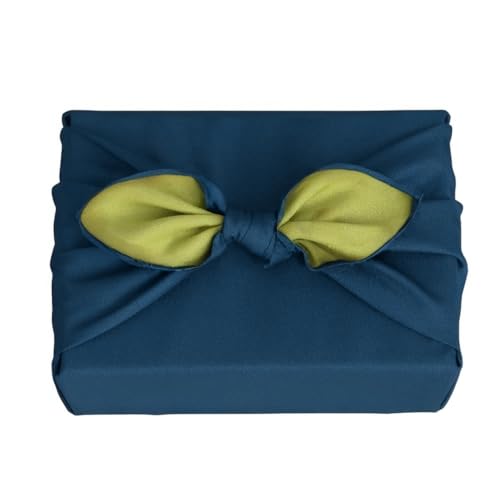
- The Furoshiki Box Technique: For the remaining miscellaneous items you do need (batteries, tape, lightbulbs), contain them in a beautiful box or basket. Wrap them like a gift. It’s a cute way to store things while keeping the clutter at bay.

Omoide (Sentimental Items) — The Last Box
Do not start here. If you start with your grandmother’s letters or your child’s first drawing, you will fail. You will cry, you will keep everything, and you will order pizza to recover. You must build your “Discernment Muscle” on the easy stuff first (clothes, books, junk).
By the time you reach this box, you will have a sharpened instinct. You will understand the difference between loving the person and loving the object. You do not need a bin of 200 photos to remember your grandmother. You need one beautiful, framed photo placed in a position of honor. Curate the memory. If you can’t see it, you can’t cherish it.
The 5S Action Plan — Room-by-Room Flow
Now that the great purge is complete and the categories are sorted, we arrange the remaining items for the life you want to live. This is about flow.
The Genkan (Entryway): The Barrier of Refusal
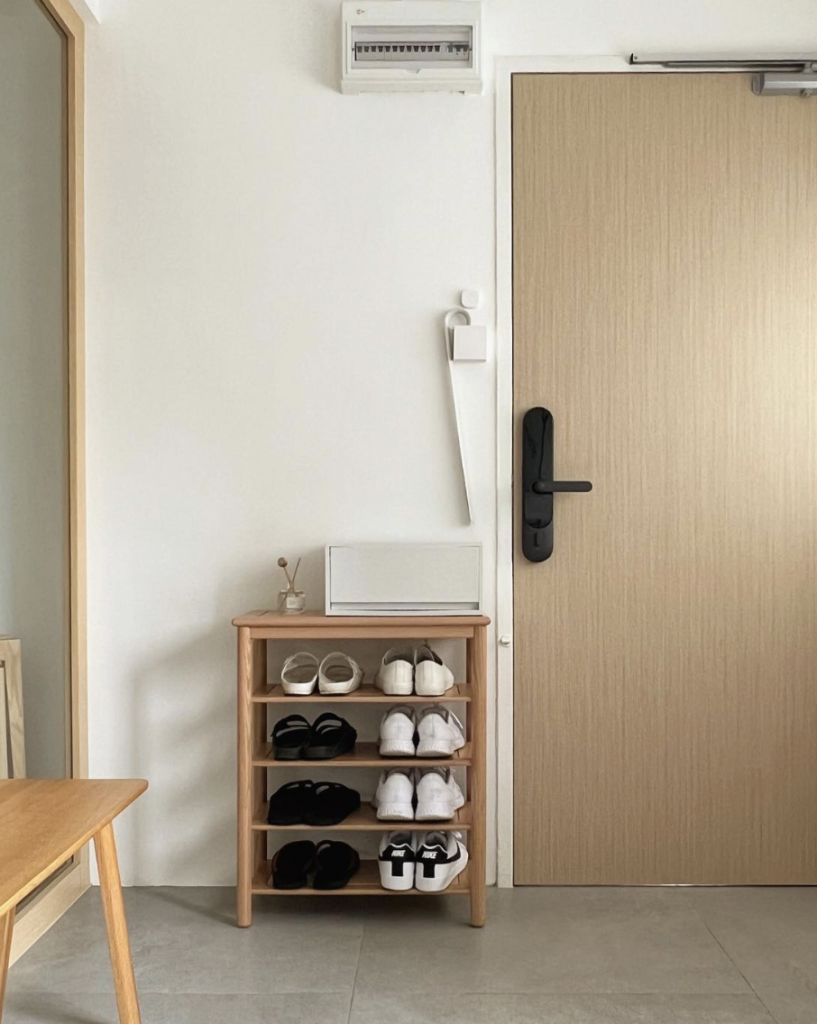
In a Japanese home, the genkan is a sacred threshold. It is where the dirty, chaotic energy of the outside world is left behind. This is where you practice Dan (Refusal) physically.
- Shoes: Only shoes worn this season should be visible on the step or in a small rack. All off-season shoes go into opaque storage in a closet. Seeing a pile of 27 pairs of shoes when you walk in the door is a visual assault, I said what I said, no backsies.
- The “Out” Bin: Designate one spot, like a basket or a shelf, as the “Leaving Soon” zone. This holds library books, items to return to a friend, and the donation bag. This is Danshari in motion. It reminds you that the home is a river, not a stagnant pond.
The Daidokoro (Kitchen): The 5S Factory

The kitchen is a workspace, not a display case.
- The Kaizen Triangle: In Japanese efficiency, the stove, the sink, and the refrigerator form a holy trinity. The path between these three points must be clear. Nothing blocks this flow.
- Visual Silence (Removing Labels): Grocery store packaging is designed to scream at you from a crowded shelf. It is designed for the supermarket, not for your home. Decant pantry items into uniform, clear glass or white ceramic containers. This removes “visual screaming.” (If you know what I mean) When you open the pantry, your eye does not bounce from the neon orange Cheez-It box to the bright red tomato can.
- Counters are for Doing, not Storing: Aim for 80% empty counter space. A toaster, a coffee maker, and nothing else. This is Ma in the kitchen. It is the space to roll out dough, to chop vegetables, to breathe.
The Oshiire (Closet): The Vertical Shrine

In traditional Japanese homes, futons are folded and stored in the oshiire (closet) every morning. This is not a chore; it is a ritual of transformation. The bedroom becomes a living room. The space has dual citizenship.
- How can you translate Oshiire to your closet?
- Above: Store only truly seasonal items or travel suitcases.
- Below: A single row of hanging clothes with 3-4 inches of empty space between each hanger. Clothes need airflow. Cramming them together is how you forget you own a blazer.
- The Empty Shelf Mandate: Do not fill every shelf. Leave one shelf completely empty. This is not a failure of organization; it is the highest form of it. That empty shelf is Ma. It is the promise of possibility.
The O-furo (Bathroom): The Sentō Effect
Visit a Japanese sentō (public bath) or onsen (hot spring). There is a profound sense of calm there, and it stems from one rule: Zero Personal Clutter. Everything you need is provided, communal, and put away.
- The Rule of Three: Keep only three items visible on the bathroom counter. A beautiful bottle of soap, a candle, perhaps a small plant. The rest, like the deodorant, the floss, the face creams, all live behind a cabinet door or in a drawer. A counter full of products is not a sign of good hygiene; it is a mental to-do list. Every bottle whispers, “Use me. Hurry up. You’re getting old.” An empty counter, on the other hand, is silent.
The Aesthetic of Less — Creating Ma and Wabi-Sabi
Now that the clutter is gone, we are left with space. But space is not “empty.” In the Japanese aesthetic, space is alive. If you’re confused, let me walk you through it.
Ma: The Power of the Empty Wall
Ma is the pause. It is the silence between notes in music that makes the melody beautiful. In a home, Ma is the empty wall behind the sofa. It is the space on the coffee table.
- Application: Do not fill a wall with a “gallery wall” of fifteen small, mismatched frames. That is visual static. Instead, hang one large, impactful piece on a blank wall. The emptiness around it amplifies its importance.
- The Coffee Table Test: If there are ten items on the table (remotes, coasters, books, candles), they are all clutter. If there is one item, a single book, and a smooth river stone on top, that item is a shrine. That is intentional living.
Wabi-Sabi: The Freedom of Impermanence

Wabi-Sabi is the beauty of things imperfect, impermanent, and incomplete. It is the crack in the tea bowl filled with gold. It is the worn patina on the wooden cutting board.
- Clutter hides Wabi-Sabi. You cannot see the beautiful, aged grain of your wooden table if it is covered in junk mail and charging cables. You cannot appreciate the softness of a linen pillow if it is buried under four polyester throw blankets.
- When you release the pressure to have a “perfect, catalog home,” you can enjoy the actual home you live in. That scratch on the floor? That’s where the dog used to wait for you. That’s Wabi-Sabi.
Shitsuke — Sustaining the Empty Space
You have done the hard work. The house feels like a lung that can finally expand. How do you keep it this way without spending every waking hour cleaning?
The Shinto Renewal Habit (The 5-Minute Sweep)
In Shinto shrines across Japan, the day begins with a monk sweeping the pathway. It is not because the path is dirty; it is a ritual of mindfulness and maintenance.
Now, this is the habit that I want you to inculcate. Set a timer for 5 minutes every evening. Do not “clean.” Do not scrub the toilet. Simply return things to their homes. The remote to the coffee table caddy. The shoes to the genkan. The throw pillow to the sofa corner. That’s it. In 5 minutes, you restore 100% of the order.
The One In, One Out Law
This is the most important rule for a minimalist home. The house size is fixed, doesn’t turn into a balloon like Aunt Marge in Harry Potter.
When you buy a new shirt, the oldest, most worn-out shirt in your closet must be folded and placed in the donation bin immediately. When you buy a new book, one book leaves the shelf. This maintains equilibrium. You are not depriving yourself of new things; you are simply upgrading the quality of the items you own.
The Evening Reset: Osoji in Miniature
Before you go to bed, walk through the main living space one last time. Fluff the one pillow on the chair. Put the one book away. Wipe the one counter.
When you wake up in the morning, you do not walk into yesterday’s mess. You walk into possibility. The floor is clear for stretching. The mind is clear for thinking.
The Home as an Ecosystem, Not a Storage Unit
This process is not about being a “neat freak.” It is about respect for the objects that serve you, and respect for the space that shelters you. You haven’t just gotten rid of things; you have restored flow.
This isn’t about achieving a particular aesthetic or passing some minimalism purity test where someone comes to inspect how many items you own.
It’s about building a home that actively gives you energy when you walk into it rather than quietly taking it, room by room, surface by surface, one intentional decision at a time. Pick one room, apply what resonated with you most from this guide, live with it for a week, and let that feeling tell you where to go next.