15 Japanese Inspired Bathroom Organization Hacks for Small Homes
This site contains affiliate links. We may earn a small commission, at no extra cost to you. Article may contain some images for illustrative purposes only .
A small bathroom becomes chaotic faster than any other room in the house, and I think it’s because we collectively decided that every surface in there is fair game for a product we bought once and have used approximately twice since.
In Japan, a bathroom can be genuinely tiny and still feel like a place you actually want to spend time in, not because of expensive renovation or clever product design, but because of habits around cleanliness, dryness, and restraint that have been quietly working for them.
These aren’t the generic tension rod and over-the-door organizer suggestions you’ve already seen recycled across every home organization article on the internet. These are real ideas from architecture and daily rituals that turn a cramped bathroom into something that actually feels calm.
1. Adopt the “Three-Zone” Mentality
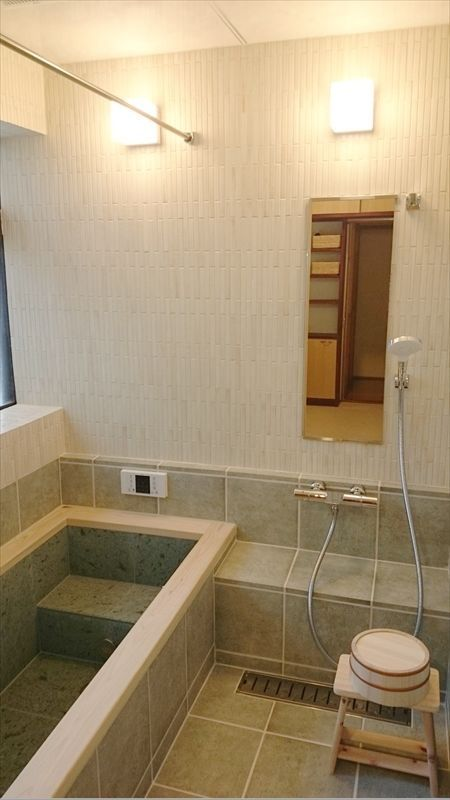
Traditional Japanese homes separate the toilet room, the washing/dressing area, and the wet bathing room entirely.
Even if your bathroom is a single tiny room, mentally divide it into toilet corner, sink area, and shower zone. Store only what belongs in each zone.
Mixing functions creates chaos. This mental boundary alone stops clutter from spreading.
2. Enforce the Zero-Counter Rule

Japanese vanities are famously bare. Many Japanese-style bathrooms aim for clear surfaces. The goal is an almost empty sink counter, an expression of ma (meaningful space).
If a product must stay out, like your regular hand soap or a toothbrush, it sits on a small tray or in a wall-mounted holder, never directly on the counter. A clear counter feels larger, calmer, and wipes clean in seconds.
3. Adopt the Minimalist “One Bottle” Rule

Influenced by danshari (refusal and disposal), it is suggested to keep only one shampoo, one conditioner, and one body soap in the wet zone at a time.
Extras and spares are stored elsewhere. This banishes the visual clutter of half-empty bottles and keeps the shower area super simple. Also, I found this rule to help me be mindful of what I buy.
4. Use a Single Beautiful Object for Ma

In even the tiniest bathroom, leave one spot intentionally decorative. I am talking about a small ceramic vase with a single stem, a smooth river stone, or a tiny wooden tray with a piece of incense.
Not a full-fledged floral arrangement that’s gonna make you sneeze every time you enter. This is the tokonoma principle focuses on a single focal point that makes the surrounding emptiness feel deliberate and serene, not just empty.
5. Install a Tank-Top Mini Sink
This is a unique space-saver, a tiny faucet and basin integrated into the top of the toilet tank. You wash your hands with clean water that then refills the tank.
It eliminates the need for a separate handwashing sink in a tiny toilet room, saving precious floor space (every inch counts).


6. Use a Hinged Bathtub Lid

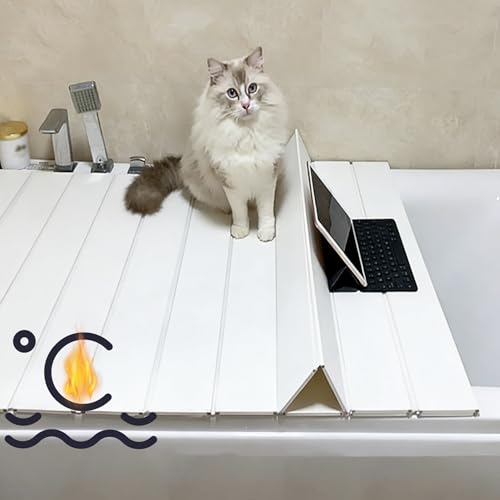
Traditional Japanese deep baths (ofuro) often have a lightweight, insulated lid that folds or rolls up. When the bath is not in use, the lid is placed on top to keep the water warm and the bathroom dry and dust-free.
It effectively turns the tub into a temporary covered surface and dramatically reduces humidity in the room, and I swear this is something that made my getting ready much easier.
7. Install a Deep Recessed Mirror Cabinet

A flat mirror wastes space. A recessed medicine cabinet with internal mirrors and adjustable shelves is a standard fixture in most modern Japanese baths.
Inside, use small acrylic bins and magnetic strips for tweezers and clippers. Everything is hidden, yet instantly visible when you open the mirror door. When I say no more looking through clutter to find something, I mean it!

8. Use Over-Toilet Shelving

In a compact toilet nook, dead vertical space above the cistern is never wasted. A slim, shallow shelf unit or a wall-hung cabinet sits above the toilet, holding only spare toilet paper, a small scent diffuser, and cleaning sachets so the floor remains completely open.

9. Keep Dedicated Toilet Slippers
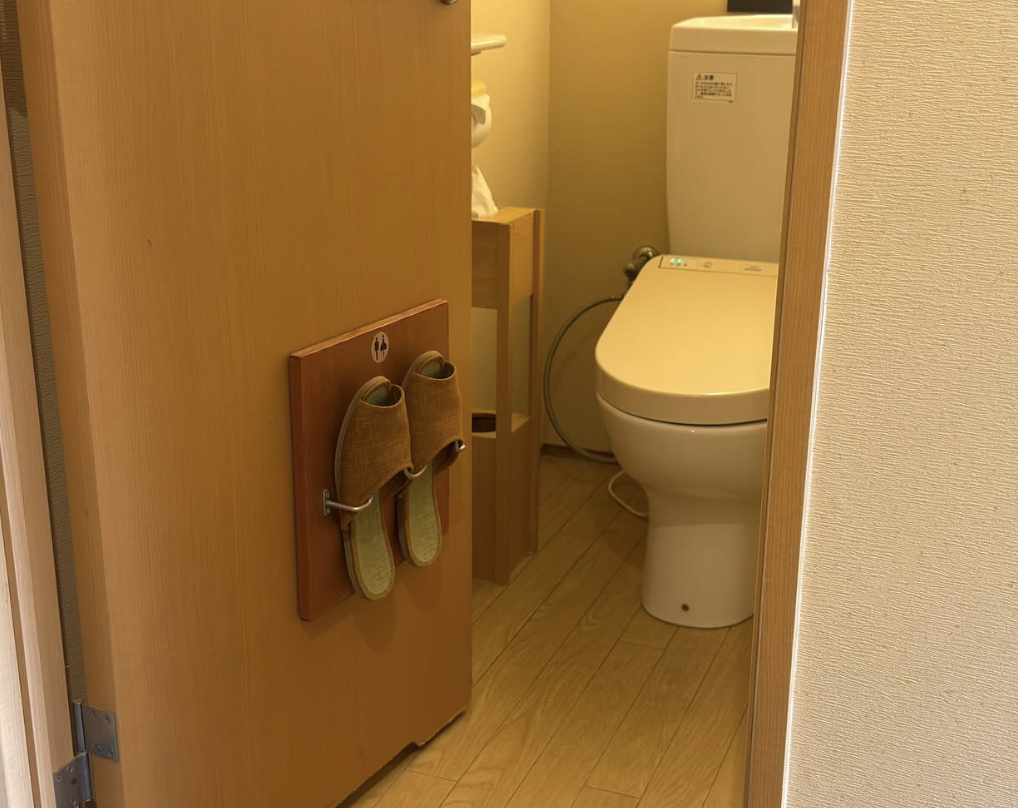
This one might sound like it’s not necessary, but in Japanese culture, it’s a deeply ingrained hygiene custom. The toilet room has its own small pair of slippers.
They sit neatly on a miniature rack just inside the door or are placed right outside. This habit keeps the rest of the bathroom floor immaculate and marks the toilet as a separate, contained zone.

10. Squeegee After Every Shower

See, I know it’s a tedious task for you to do this, but it makes a huge difference. A small squeegee hangs in the shower, and the last person to bathe spends ten seconds wiping down the walls and glass.
A dry wet room never develops mold or stubborn soap scum, and is also inconvenient for the person who uses it next. With this ritual, it’s like your bathroom almost never needs a deep scrub.
11. Use a Small Bath Stool and Bucket

In the traditional ofuro setup, before soaking, you sit on a small, sturdy stool and use a bucket to rinse. These items are compact, easy to clean, and tuck neatly into a corner. They replace bulky shower caddies and encourage a mindful, seated bathing routine that contains splashing and moisture.

12. Hang Towels Flat and Aligned

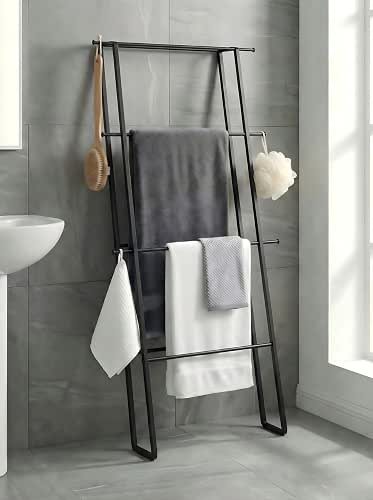
Influenced by the order of sentō and onsen, towels are hung perfectly flat and straight on horizontal bars or a slim vertical ladder rack.
No crumpled piles, sounds like a dream, right? A vertical towel ladder uses almost no floor space while towels are dry thoroughly and can be swapped frequently.
13. Use a Wall-Mounted Toilet Brush and Plunger

Floor-standing toilet brushes trap grime and make the tiny bathroom feel dirty. In Japanese bathrooms, these tools are frequently mounted on the wall or tucked inside a slim, ventilated cabinet next to the toilet. Magnetic or clip-on holders keep them off the floor, making cleaning effortless and not crampy.

14. Run the Ventilation Fan and Open the Window Religiously
Japanese bathrooms almost always include a powerful exhaust fan and a dedicated “room dry” mode. After every bath or shower, the fan runs, and a window is cracked open. Moisture is pulled out swiftly and completely. A bone-dry bathroom stays organized naturally because nothing gets musty, mildewed, or rusty.
15. Perform a 30-Second Nightly Wipe-Down
Rooted in the soji principle of the Japanese, this practice of daily cleaning is like spiritual maintenance. This tiny ritual seals the order, and in 30 seconds, you wipe the sink rim dry, straighten the towels, and give the shower a quick squeegy if needed. You wake up to a bathroom that feels already clean and ready, without any marathon scrubs.


The difference between a chaotic small bathroom and a serene one is rarely about the size of the space and almost always about the habits that happen inside it.
Start by clearing every surface of anything that doesn’t earn its place there daily, build one or two of these habits into your routine, and watch how quickly the whole room changes its feeling.