How to Decorate Your Bedroom
This site contains affiliate links. We may earn a small commission, at no extra cost to you. Article may contain some images for illustrative purposes only .
Your bedroom is the one room in your home that exists entirely for you, and somehow it’s also the one that gets decorated last, furnished with whatever didn’t fit anywhere else, and thought about least, which is a strange choice for the space you start and end every single day inside.
The bedrooms that actually work aren’t the ones that look the best in a photo or follow whatever trend is moving through Pinterest right now; they’re the ones that fit how their person actually lives, sleeps, reads, gets dressed, and winds down at the end of a day that asked too much of them.
Getting your bedroom right isn’t about following a design rulebook or committing to a single aesthetic because someone told you to pick one. It’s about understanding what you actually need from the space and then making deliberate choices that serve that need rather than just filling square footage with furniture.
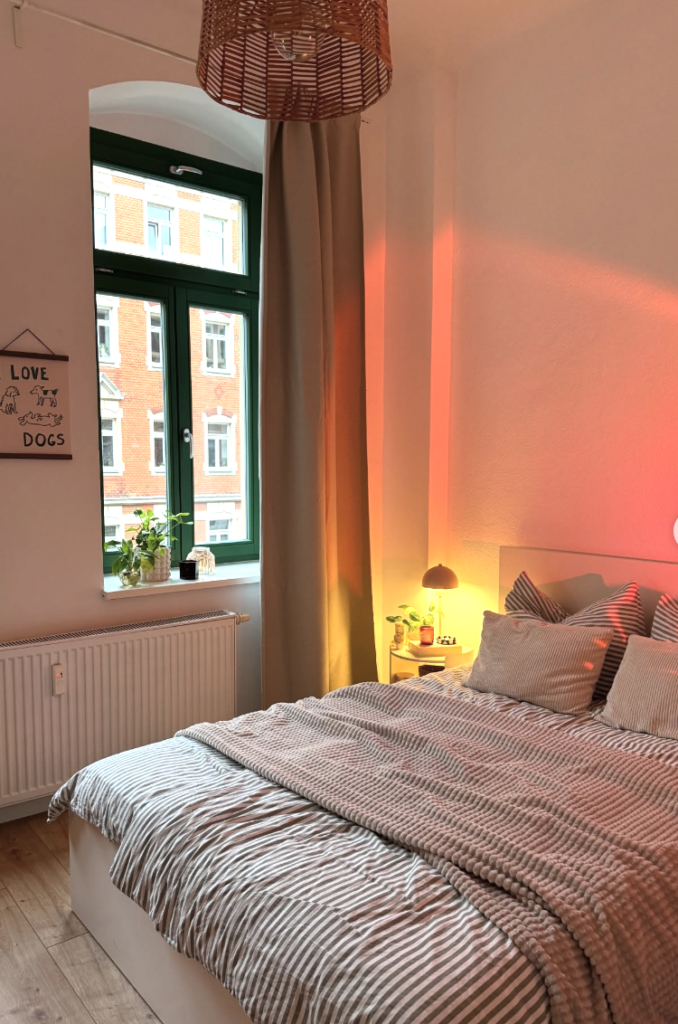
Start With How You Use the Space
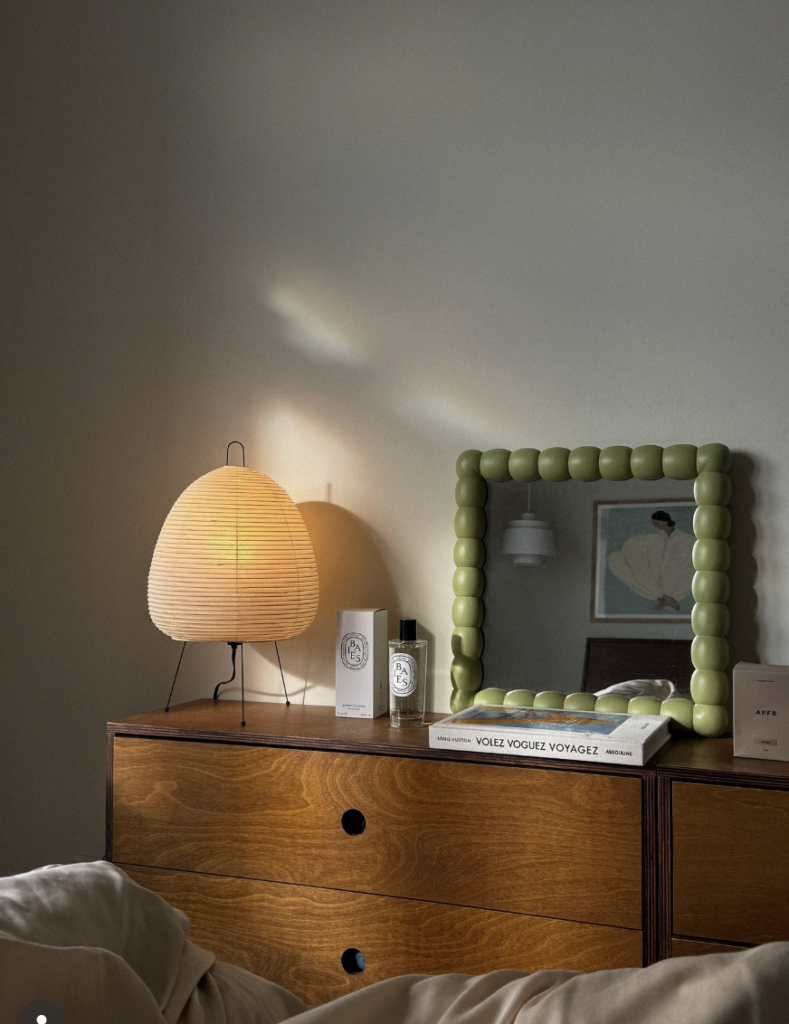
Most people blow their bedroom makeover by skipping straight to throw pillows and aesthetics before they’ve thought about a single thing they actually do in that room, and then they wonder why it still doesn’t feel right after spending money on it.
Start by being honest about your real habits. If you scroll your phone in bed every night, you need a side table with a charging station, not a decorative lamp that doesn’t reach anywhere useful.
If you work from your bedroom, sometimes you need a desk setup that doesn’t destroy your back, not a pretty chair that looks good in photos and makes you miserable after twenty minutes.
Think about how you actually move through the room every day, because where you drop your clothes and whether you trip over shoes in the dark at 2 am tells you more about what your bedroom needs than any mood board ever will.
Storage is also non-negotiable here because no amount of beautiful bedding fixes a room that has nowhere to put anything, and under-bed storage is one of the smartest ways to reclaim space you’re currently just leaving unused.
Function has to come before cute, every single time, because a bedroom that works for your real life will always feel better than one that only looks good in a photo taken from one very specific angle.
Think About Furniture Layout
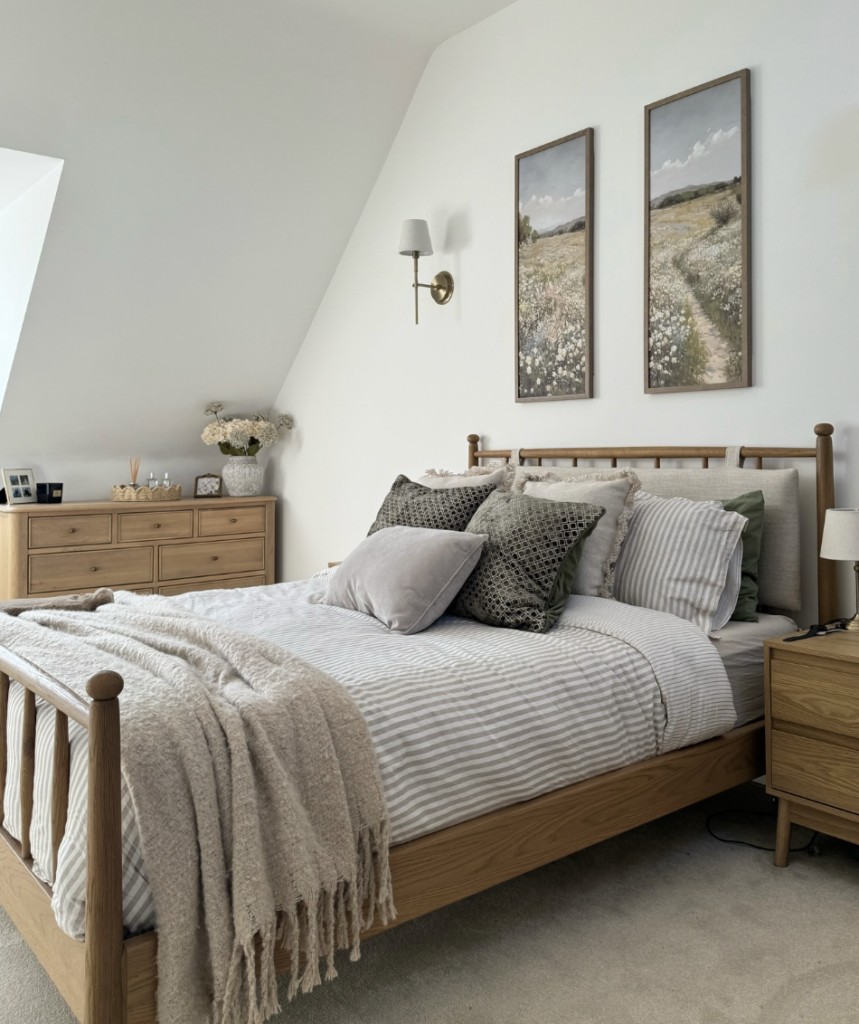
Your bed should be the star of the room. Put it where you can see it when you walk in, but maybe not right smack in the doorway. That can feel weird.
Walking space matters more than you think. Leave about 2 feet around your furniture so you’re not doing some awkward sideways shuffle every morning. Windows and radiators need breathing room, too, and covering them up is just asking for problems.
Well, if size is the issue here, you can check out ways to organise a small bedroom to maximize space without compromising on style.
Size is tricky, though. A massive bed frame might look amazing in the store, but completely eat up a small bedroom. The same goes the other way around. Tiny furniture in a big room just looks sad and lost, like it’s floating in space or something.
The whole thing comes down to three basic ideas: how you move through the space, what catches your eye first, and whether everything actually works for your life. Pretty simple when you break it down.


Pick a Color Palette That Feels Calm
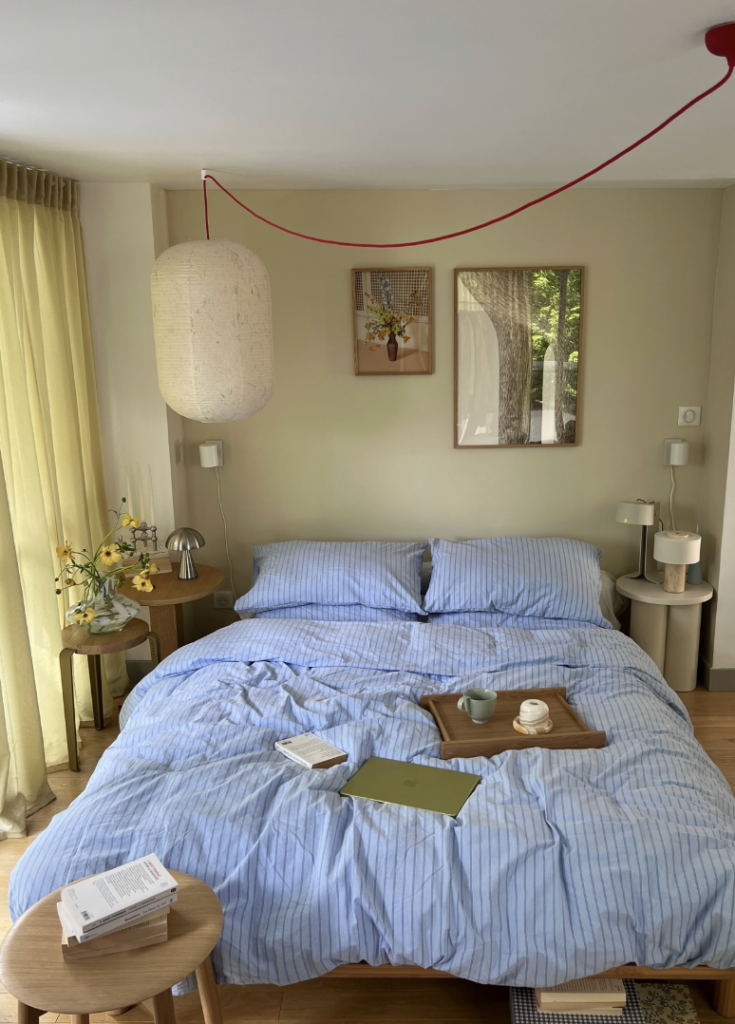
Your bedroom’s color scheme basically controls how you feel in the space, which is why picking the right one matters so much.
Stick with soft blues, light greens, or those muted purple shades that help you chill out. Too many colors will make your brain feel cluttered, so keep it to about 2-3 main ones max.
There’s this thing called the 60-30-10 rule that interior designers use. Your main color covers like 60% of the room, then 30% is your secondary color, and the last 10% is for accent pops.
It keeps everything balanced without looking too matchy-matchy or all over the place. Additionally, consider incorporating neutral tones across furniture and accessories to enhance the calming effect of your color palette.
Get the Bed and Bedding Right
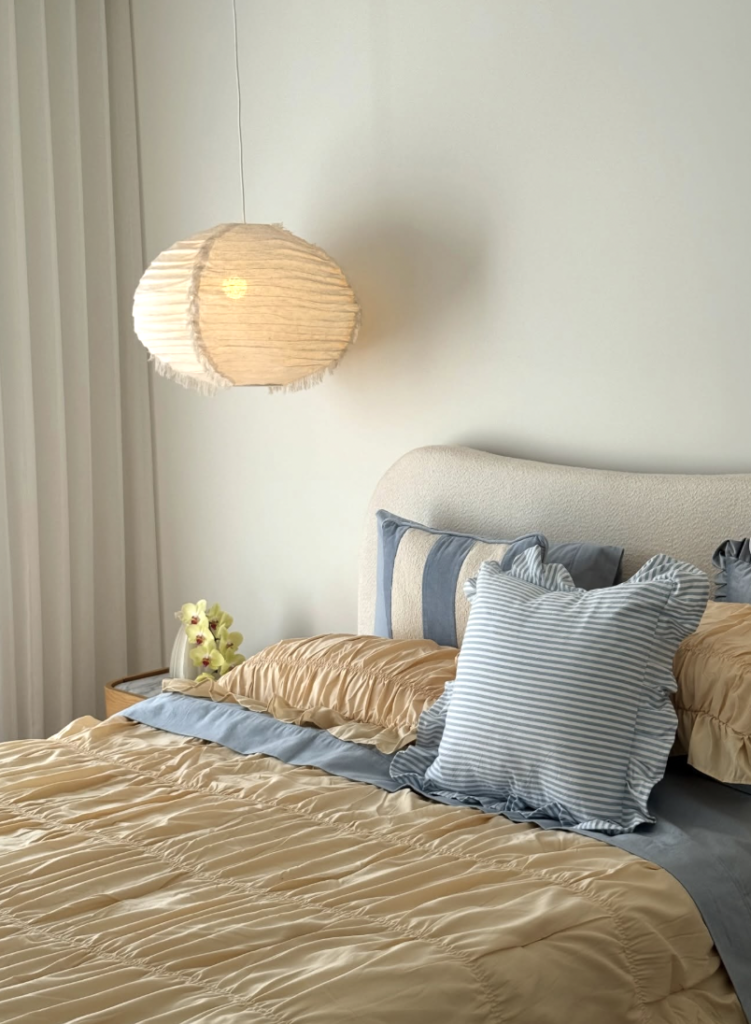
Your bed is basically the star of your bedroom, so you want to get this part right.
Pick a frame that matches your vibe, but honestly, spend most of your money on a really good mattress. Your back will thank you later.
The bedding part is where things get interesting; you can have the most fun with it.
Start with sheets that have a high thread count because they feel amazing. Then pile on some pillows (see, I personally believe that there’s never such a thing as too many pillows) like the ones you actually sleep on, mixed with the fancy decorative ones.
Top everything off with a comforter or duvet that pulls all your colors together. You want it to look good but also feel like a cloud when you climb in at night. That’s the whole point of making your bed look nice in the first place.

Fix the Lighting
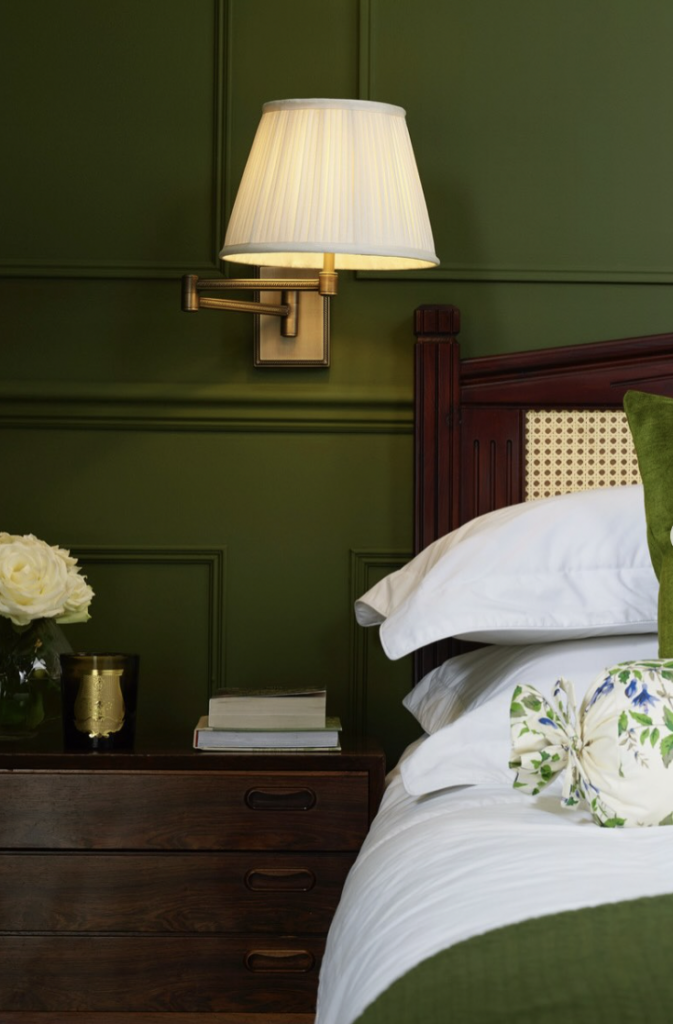
Most people treat bedroom lighting as an afterthought and then spend years wondering why the room never quite feels right, no matter what else they change about it, and lighting is almost always the actual culprit.
The single ceiling light situation is the first thing to fix because one overhead light makes a bedroom feel like a waiting room, and that is genuinely not the vibe you’re going for in the one space that’s supposed to restore you.
Layer your lighting instead, maybe a main ceiling light, nightstand lamps, and a few accent lights, giving you options for different times of day and different moods rather than one setting that works adequately for nothing.
Warm bulbs in the 2700 to 3000K range are non-negotiable because anything cooler has your nervous system convinced it’s still the middle of the workday and wondering why you can’t wind down, and a vintage lamp with a warm, soft glow does something to the ambiance of a bedroom that people consistently underestimate until they experience it.
Dimmer switches are the single upgrade that makes the most immediate difference because you can have full brightness when you’re looking for something at the bottom of your bag and then dial it all the way down when your brain is ready to stop performing for the day.
This is one of those changes that costs less than most decorating decisions and delivers more than almost all of them combined.

Deal With Windows the Right Way
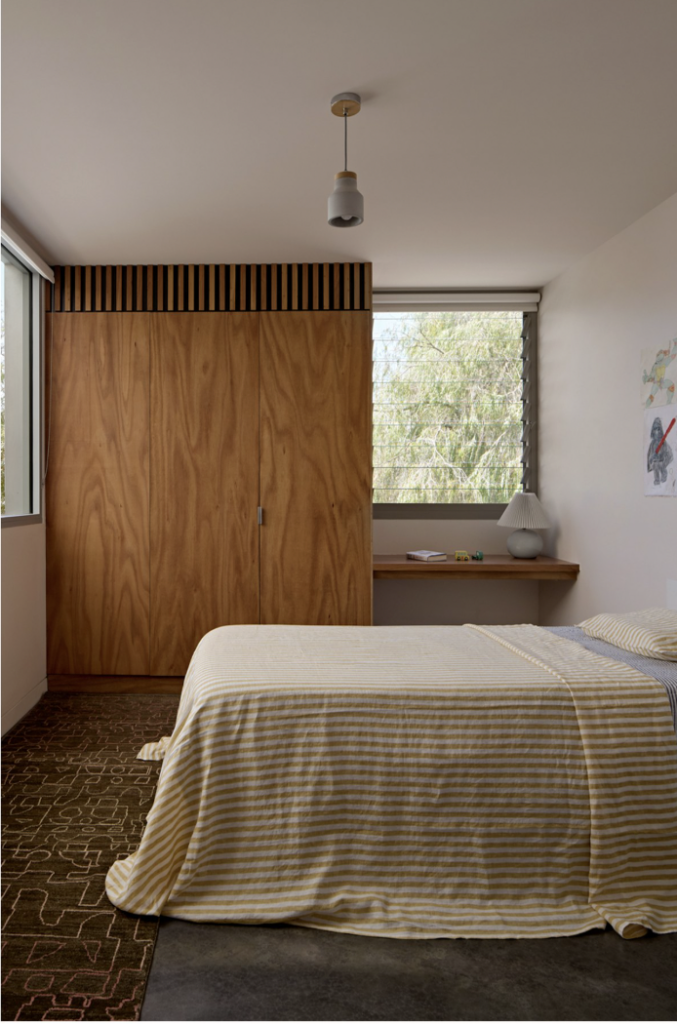
Windows are actually a bigger deal than most people think when you’re putting together a bedroom. They’re not just holes in your wall; they control how much sunlight comes in and whether your neighbors can turn into Joe Goldberg in seconds.
You need curtains or blinds that look good but also do their job. The best approach is layering curtains with blinds. That way, you’ve got options depending on what you need. Sometimes you want it totally dark, other times just a little privacy.
Here’s a trick that interior designers use all the time, that I’m gonna let you in on. Hang your curtain rod way higher than where your window actually starts. It makes your ceiling look taller than it really is. Pretty simple, but it works.
Also, think about the fabric weight. If you live somewhere hot, you probably don’t want heavy velvet curtains trapping all that heat. Cold climate? Thicker fabrics can actually help keep the warmth in.
Just match it to what makes sense for where you live. I strongly believe that you can be your own judge of aesthetics.
Choose Functional Nightstands
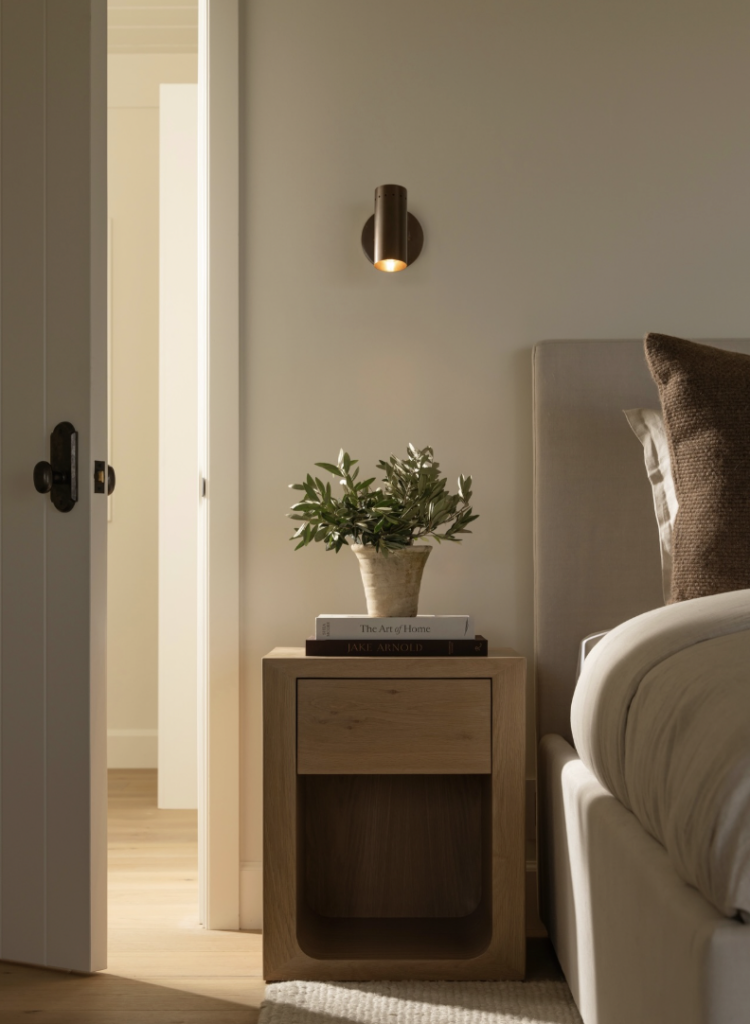
Your nightstand needs to actually work for you, not just look pretty sitting there.
Think about what you stash in there, we are talking phone chargers, random medications, that book you swear you’ll finish someday. Get one with drawers if you’ve got stuff to hide.
The height thing matters more than you’d think.
Match it up with your mattress so you’re not doing weird arm reaches in the dark. Nothing worse than knocking over your water glass at 3 am because your nightstand is too low.
Pick something that doesn’t clash horribly with your bed.
Like, if you’ve got a sleek modern bed frame, maybe skip the ornate vintage table. But honestly, mixing styles can look cool if you’re confident about it, and I absolutely adore the whole eclectic mix as well.
Make sure there’s enough surface space for the absolute non-negotiables. I am talking about a lamp, your phone, a water bottle, maybe an actual alarm clock if you don’t trust your phone. You’d be surprised how fast that space fills up.

Add Wall Decor With Intention
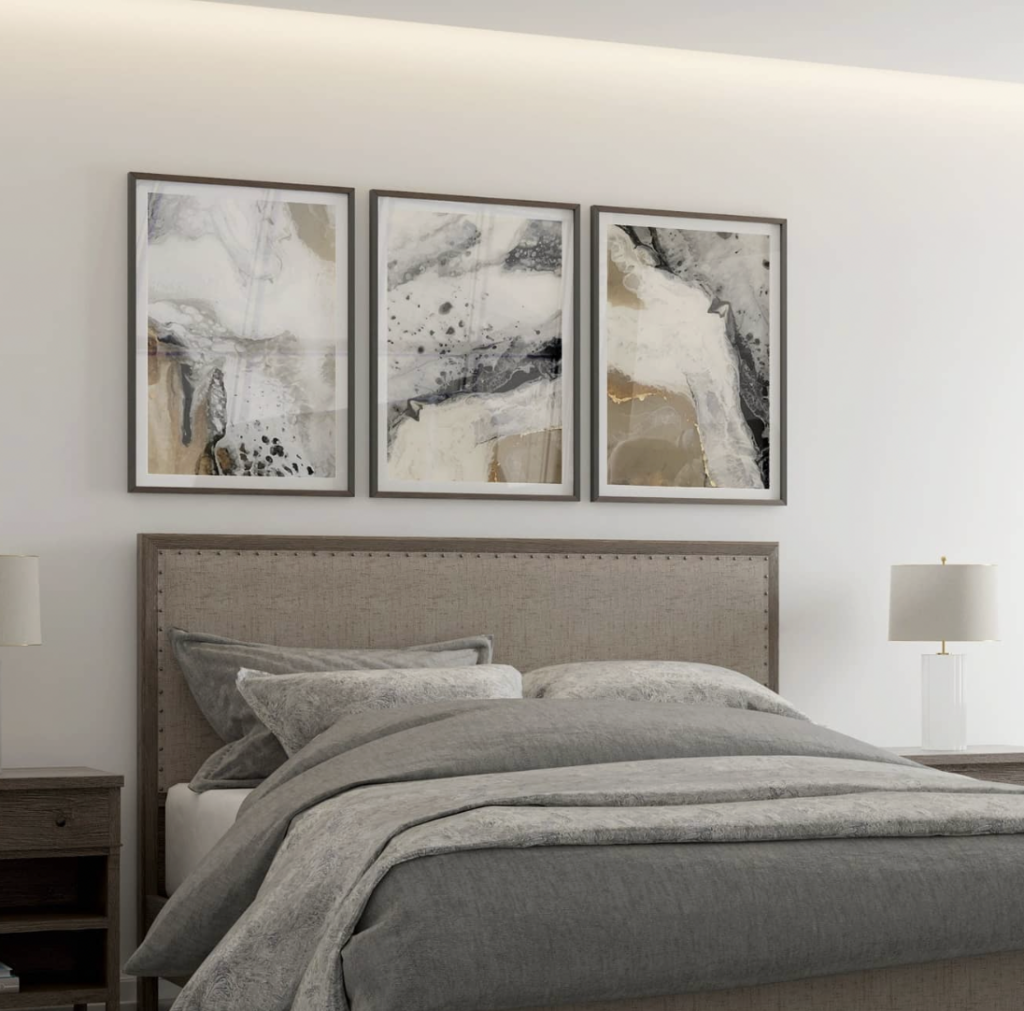
Your bedroom walls deserve better than the random collection of things you put up years ago and stopped actually seeing, and the fix is simpler than a full overhaul.
Pick pieces that genuinely make you feel something when you look at them, and make sure they work with the colors already happening in the room rather than fighting them.
Group similar things together instead of scattering them across every available surface because a considered cluster always looks more intentional than things spread thin.
Hang art at actual eye level, mix one bold statement piece with smaller supporting ones, and then stop before you fill every inch because breathing room on a wall does more work than another frame ever will.

Layer in Texture and Softness
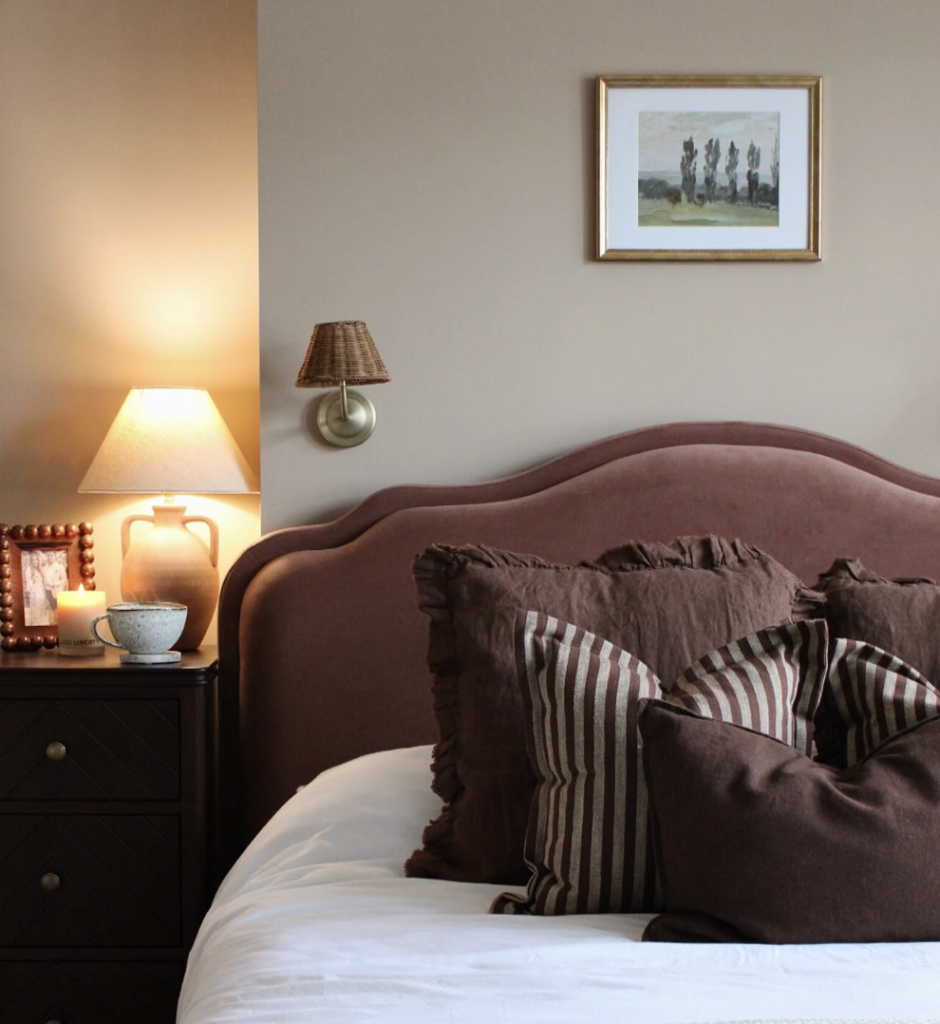
A bedroom without texture looks flat and feels forgettable, no matter how good the color palette is, and this is the thing most people skip when they’re decorating because it feels less important than furniture and paint.
Plush blankets, woven baskets, velvet pillows, and knitted throws all do something to a room that no amount of matching furniture can replicate on its own.
I say mix your materials deliberately, like wood next to metal, glass next to fabric, creates an interesting effect that makes your eye move around the space rather than gloss over it.
Put a soft rug exactly where your feet land first thing in the morning because that small sensory detail sets the tone for your entire day before you’ve made a single decision.
Layer your bedding with different textures on top of each other, and consider a vintage quilt somewhere in the mix because it adds fun detail with full personality that brand new things simply cannot do for me.


Handle Storage Without the Clutter
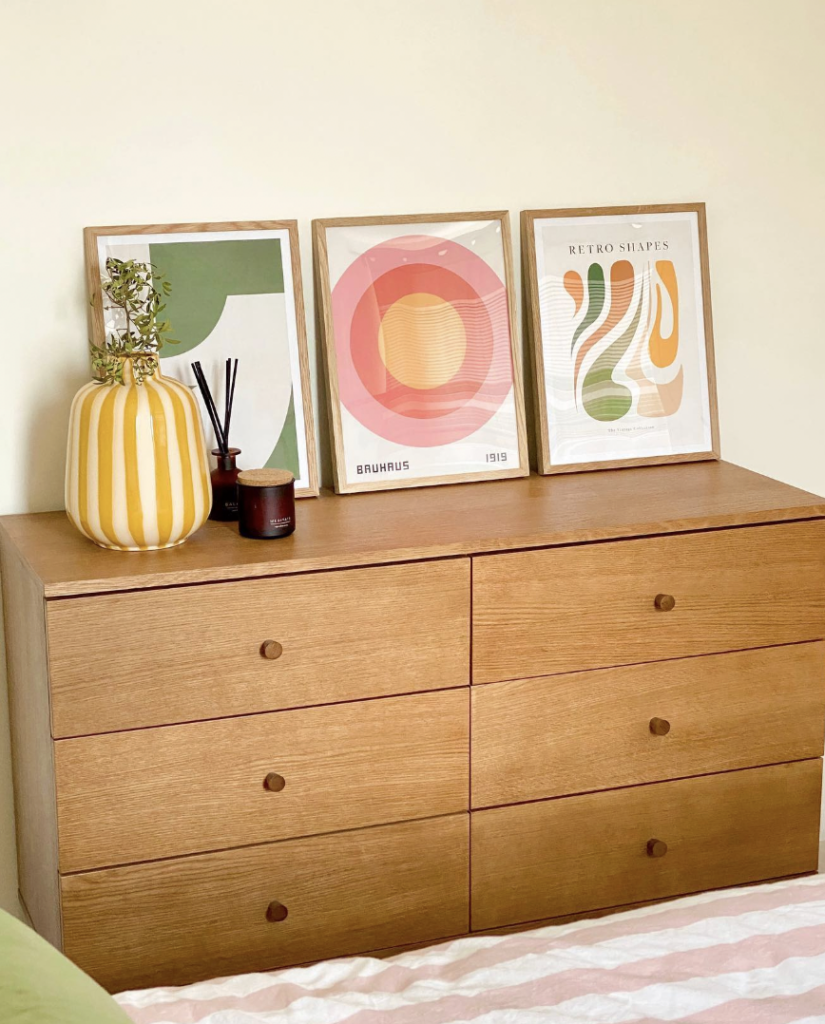
Bedroom clutter is basically inevitable. You try to keep things tidy, but stuff just piles up everywhere. The trick is getting furniture that does more than one thing.
Like beds with those built-in drawers underneath? Total game changer. The same goes for nightstands that have cabinets instead of just being a flat surface with maybe one drawer.
Want to get organized fast? Grab some baskets that actually look good. When people come over, you can literally just toss everything in there and boom – clean room.
Floating shelves are another solid move because they give you places to put your stuff without eating up floor space.
Oh, and closet organizers are worth the money. They help you use all that vertical space you’re probably wasting right now. Stack things up instead of out, you know?

Create a Calm Tech Situation
All the beautiful bedding and perfect lighting in the world cannot save a bedroom that is essentially a second office with a charging station problem and a television watching you sleep.
Your phone should not be within arm’s reach of your bed because if it is, you already know what happens, and it involves scrolling until a time you are not proud of and then lying awake feeling vaguely terrible about it.
The laptop belongs on the desk with a hard stop on work after 8 pm because your brain needs a genuine signal that the performance portion of the day is finished, and it cannot get that signal if you’re answering emails from your pillow.
Speakers on the dresser are now exclusively for white noise, rain sounds, or genuinely calm music, and not for true crime podcasts that will have you lying awake thinking about things you cannot unknow at 1 am.
Give every device a specific spot and a specific rule, and your brain will reward you with the thing you’ve been desperately chasing, which is actual sleep.
Make the Room Feel Balanced
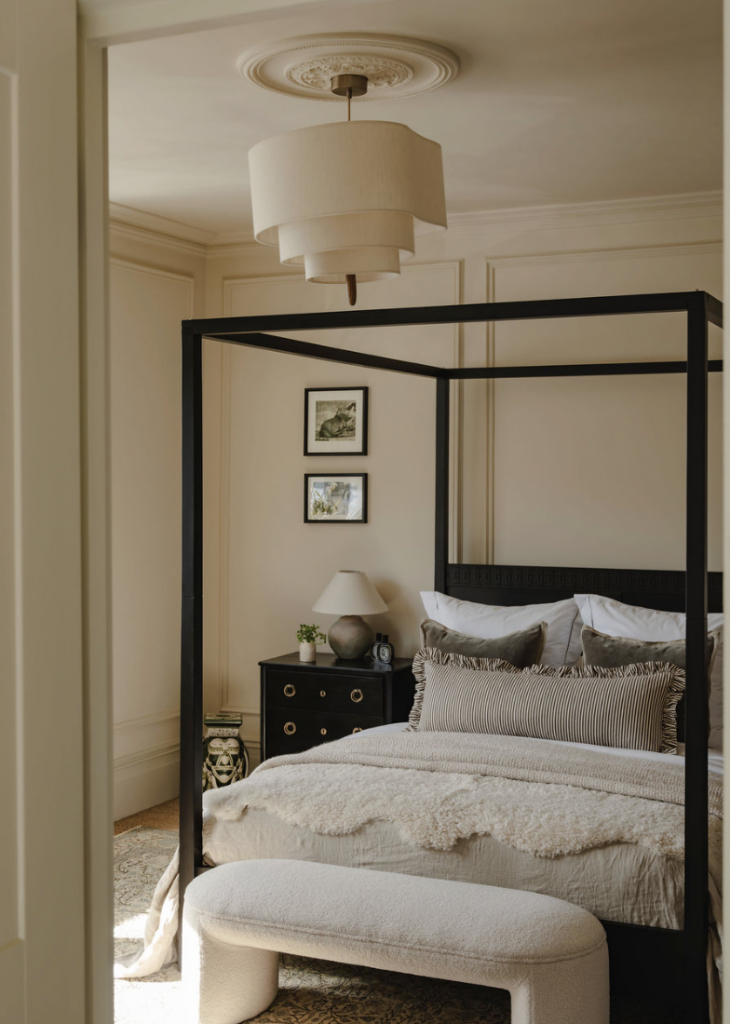
Balance in a bedroom isn’t about making everything perfectly symmetrical like a hotel room nobody lives in; it’s about making sure the visual weight of the space feels comfortable from wherever you’re standing in it.
Position your bed so there’s roughly equal space on both sides, and add matching or complementary nightstands and lamps because that symmetry does something to the feeling of the room that is difficult to explain until you experience the difference.
If you have a large dresser on one wall, the opposite wall cannot just be empty because that visual imbalance registers in your nervous system even when you’re not consciously looking for it.
A piece of artwork or a tall plant on the lighter side evens things out without requiring you to buy another major piece of furniture to fill the space. The goal is a room that feels settled and easy, rather than one that’s quietly pulling your attention toward the thing that’s slightly off.
Add Personal Details That Matter
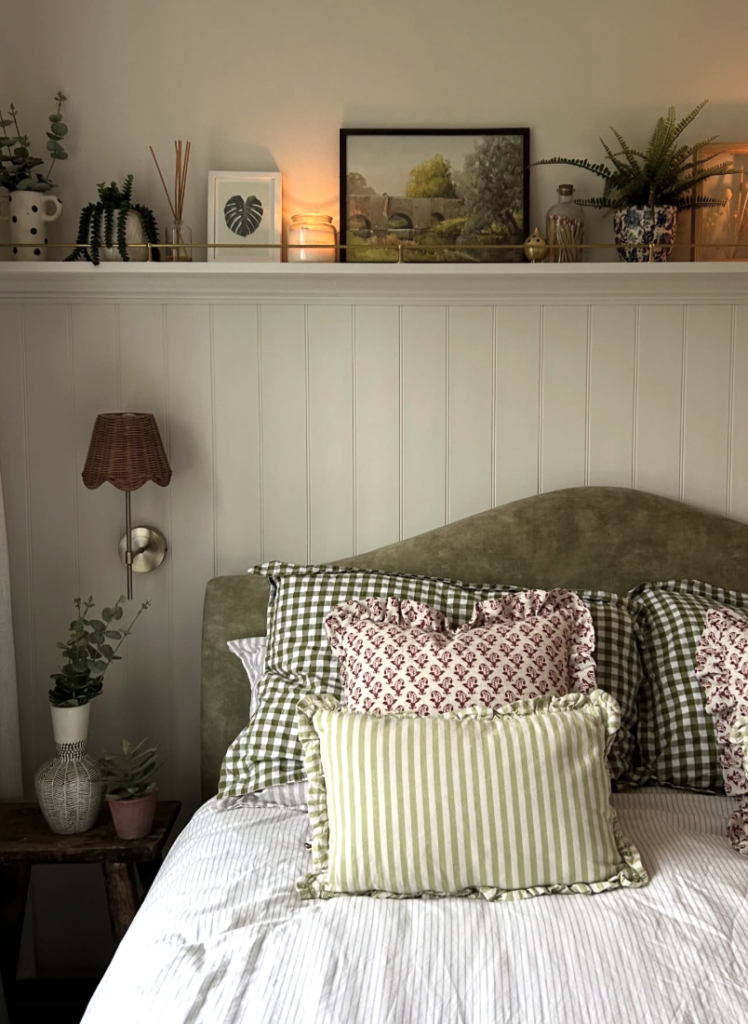
Your bedroom should feel unmistakably like yours and not like a showroom that anyone could move into without changing a single thing, which means the personal details are not optional extras you add at the end.
Family photos in nice frames or arranged as a gallery wall, the weird handmade gift from your best friend that you actually love, the seashell from the trip that was genuinely one of the best weeks of your life, these things do more for how a room feels than any piece of purchased decor.
Your hobbies deserve real space too, so stack the books you’re actually reading, hang the guitar on the wall instead of keeping it in the closet where you’ll play it less, and frame the artwork you made that turned out better than you expected.
Displaying the things you genuinely care about instead of buying random objects to fill space is the difference between a decorated bedroom and one that actually feels like home.
Work With the Room You Have
Look, I know it’s tempting to just start shopping for cute furniture you saw on Instagram.
Before you open a single browser tab or walk into a single furniture store, stop and actually look at the room you have, because every design mistake I have ever witnessed started with someone shopping before they measured.
Small rooms look immediately wrong with oversized furniture, and large rooms can absolutely handle the bold statement pieces that would overwhelm a smaller space, so know which situation you’re working with before you fall in love with anything.
Measure your doorways before buying anything large, and I say this with the specific energy of someone who has heard the story of the couch that didn’t fit through the front door more times than should be statistically possible.
Ceiling height matters more than most decorating advice acknowledges because a tall bookshelf in a low-ceilinged room creates a claustrophobic feeling that no amount of good lighting can fix.
Those awkward corners you’ve been ignoring are often the best opportunities in the room if you’re willing to think about them creatively rather than just leaving them as the place where things accumulate.
Finish With Simple Styling Touches
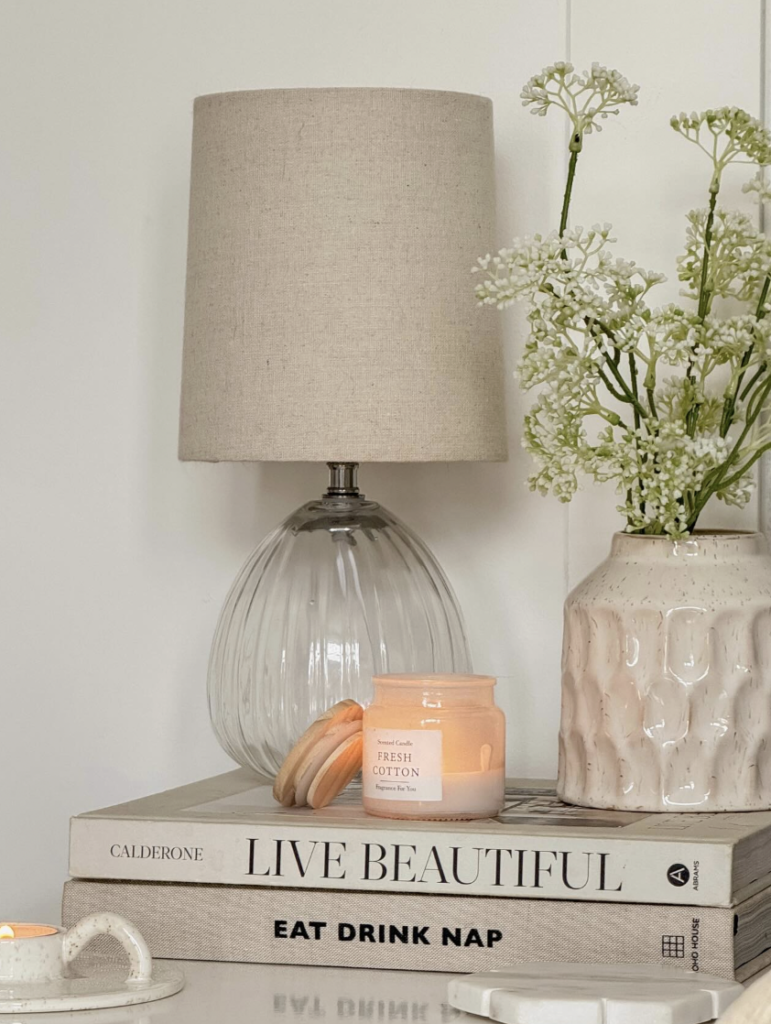
Once the furniture is sorted and the lighting is right and the walls have something intentional on them, the finishing touches are the part that actually makes the room feel lived in rather than just decorated.
A few photos you genuinely love in simple frames, a small stack of books on the nightstand that you might actually read, a throw blanket at the end of the bed that’s soft enough to actually use during a Sunday afternoon that got away from you.
A plant, if you can keep one alive, adds something genuinely fresh to a room in a way that’s hard to replicate with anything synthetic, and even a small one makes a noticeable difference to the whole vibe.
Candles are one of the most underrated finishing touches in a bedroom because they change both how the room smells and how it feels in the evening in a way that is completely disproportionate to how much they cost.
Just blow them out before you leave the room because a beautiful bedroom is considerably less enjoyable as a fire hazard.


You’ll change your bedroom by following these simple decoration steps. Remember, it’s your personal sanctuary, make it reflect who you are while keeping it functional.
According to a National Sleep Foundation study, 73% of people sleep better in a well-decorated bedroom. So take your time, trust your instincts, and create a space where you’ll love both waking up and winding down.