18 Small Space Organization Hacks From Japan
This site contains affiliate links. We may earn a small commission, at no extra cost to you. Article may contain some images for illustrative purposes only .
You know that feeling when you open a drawer, and something immediately falls out and hits your foot, and you just stand there thinking, “I live like this”? Yeah, that’s the moment this article was written for. Most small space advice gives you the same recycled suggestions. Buy more bins, get an ottoman with storage, hang things on your walls, and even after all that? Your apartment still feels like it’s slowly eating you alive.
Japan has been quietly solving this problem without a single trip to a big box store and without making your home look like a display unit nobody actually lives in. What they figured out goes deeper than storage hacks, and that’s exactly why it works when everything else hasn’t.
1. Practice Full-Bore Danshari (Refusal, Disposal, Separation)

Before you buy a single basket or install a shelf, you must start with Danshari. Coined by Hideko Yamashita, this philosophy has three layers.
Dan means refusal, stopping unnecessary items from crossing your threshold. Sha is disposal, ruthlessly clear out the broken, the duplicate, the “someday” tools. Ri is separation, detach from the guilt that keeps you clutching things you don’t use or love.
In a small space, every square foot is precious. Danshari can dramatically increase usable space by liberating it from things that merely occupy volume. It is the first and non-negotiable hack.
2. Adopt the 5S Cycle as a Way of Life
Born on Toyota’s factory floors, 5S is a closed-loop system of organization that prevents backsliding. The five steps include Seiri (Sort), Seiton (Set in Order), Seiso (Shine), Seiketsu (Standardize), and Shitsuke (Sustain), turning any space into a self-maintaining system.
You can apply it to a single drawer or an entire closet. Remove everything, keep only what serves a clear purpose, assign a precise home based on movement flow, deep clean the empty area, make the new layout obvious with labels, and then attach a tiny daily habit to keep it that way.
When your home runs on 5S, mess never gets a foothold.
3. Use the KonMari “Spark Joy” Filter

Marie Kondo’s tokimeki is simple but profound. You first pick up each item you own, be it a jacket, a spatula, a book, and ask yourself honestly: Does this spark joy right now? Not “it was expensive,” not “I might fit into it again.” Just a direct, physical sense of lightness or lift.
In a cramped apartment, anything that doesn’t spark joy actively drains the energy of the room. Keeping only what makes you feel lighter ensures that your limited space is filled with positive presence, not regretful choices you keep justifying.
4. Protect Ma (Meaningful Negative Space) Aggressively
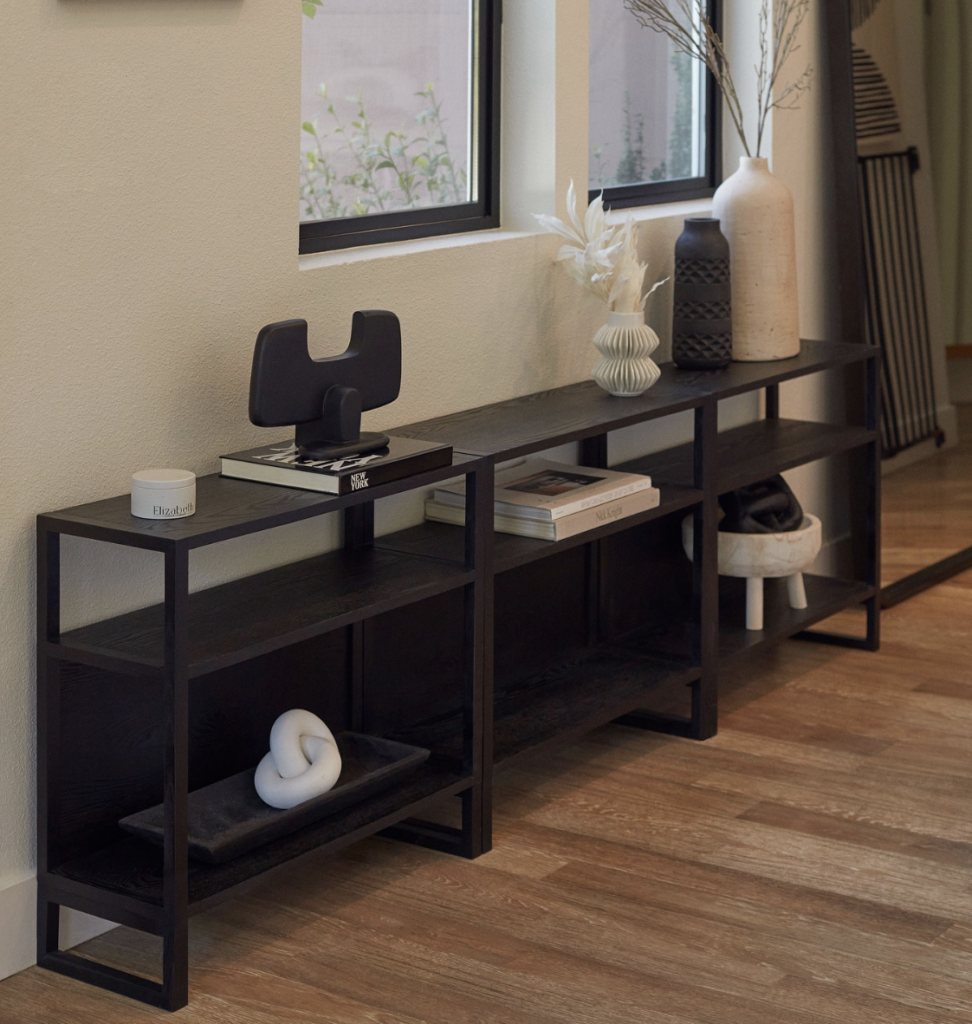
If I am being honest with you, I was guilty of neglecting the importance of negative space in a room. If I had a surface, I would make sure something is on it because, in my mind, keeping spaces empty was wasting valuable storage, but as I got older, I realized the sense of peace I got from having fewer items.
Ma is the aesthetic of the pause. It’s the empty floor, the clear countertop, the bare wall that allows the eye to rest. In the West, emptiness can feel like a void to fill; in Japan, it is a valued feature.
You can commit to leaving at least 20 to 30 percent of every surface and floor area deliberately empty. This isn’t wasted space. It’s the breathing room that makes a small home feel calm and expansive.
5. Use the Tokonoma Principle: One Focal Point Per Room

The tokonoma is a sacred alcove in a traditional Japanese room, kept bare except for a single scroll and a seasonal flower arrangement. It focuses the eye and elevates the entire space.
In a small living room or bedroom, create one dedicated display spot. Maybe a tiny shelf, a corner of a low table with just one beautiful object. A ceramic vase, a smooth stone, a single branch in bloom.
Keep every other surface completely clear. You can see for yourself how the room instantly feels curated and intentional, and the visual noise of scattered decor disappears.
6. Employ Floor-to-Ceiling Fusuma-Style Sliding Panels

These traditional fusuma are opaque sliding doors that reconfigure rooms and hide entire walls of storage. When closed, they present a seamless, uninterrupted surface. Talk about hiding all your problems away while looking nothing but stunning.
In a modern small space, use floor-to-ceiling sliding panels, lightweight screens, or even tension-rod curtains to conceal storage walls, closets, or a cluttered workspace. Slide them open when you need access; close them to transform the room into a serene, uncluttered living area. This single hack can save your studio apartment.


7. Hang a Noren Curtain to Visually Divide Zones

This one is stunning, and I wondered for a solid 5 minutes which rock I’ve been living under, not knowing this exists. The noren is a split fabric curtain hung in doorways. It separates spaces while allowing light and air to pass through.
In a studio apartment, hang a noren between the kitchen and the living area, or use it to cover open shelving. It creates distinct “rooms” without blocking the way or making the space feel too boxy. When you want that calm, the curtain closes, and the clutter behind it vanishes (not literally, you still have to clean the mess up, girl).
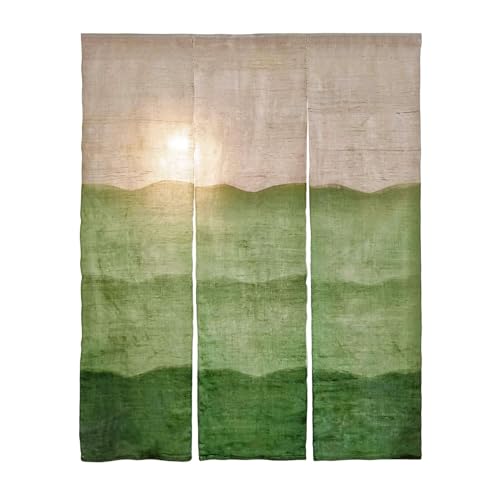
8. The Oshiire: Deep Sliding-Door Closet that Transforms a Room
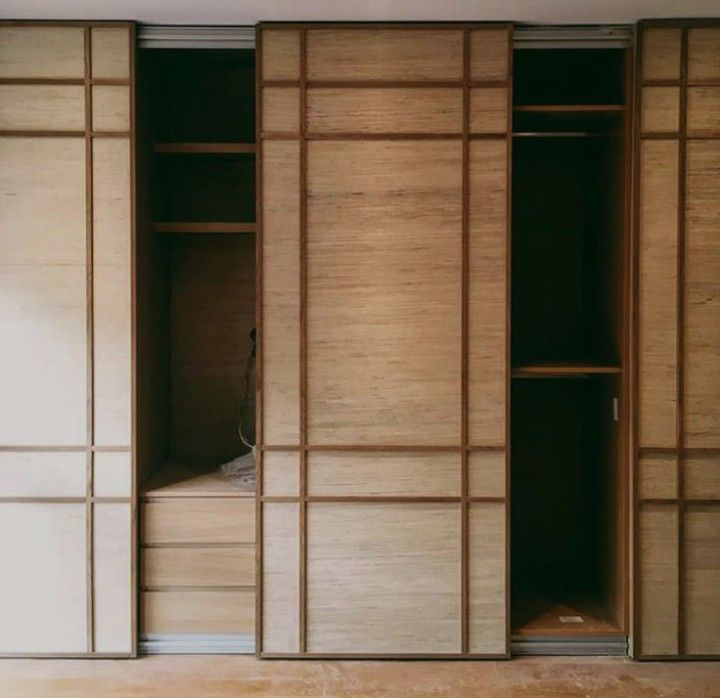
The oshiire is a traditional Japanese closet built to store the futon mattress and bedding each morning. By stowing away sleep, the bedroom instantly becomes a living room, dining area, or play space.
If you can, dedicate a full wall to a deep, sliding-door cabinet in your own small home. Store your bedding, off-season clothes, or even a roll-away mattress. By day, the room is open and functional, and by night, you pull out what you need. A very simple and mindful addition, but it is definitely worth it!
9. Use Traditional Tansu Chests (Modular, Multi-Drawer)

I would probably scream with excitement if I spotted this at your house, considering how stunning this looks, and might I add, functional too? Tansu are portable wooden chests with a variety of drawer sizes, originally designed to hold an entire household’s valuables. Their beauty lies in their varied compartments, which naturally enforce curated storage.
You can replace your bulky Western dresser (I’m not saying it’s ugly, but…). Shallow drawers hold accessories, jewellery, and documents; deeper ones store sweaters and linens. Its slender, vertical silhouette occupies minimal floor space, while the warm wood elevates the room’s aesthetic.

10. Incorporate a Kaidan Tansu (Step Chest)
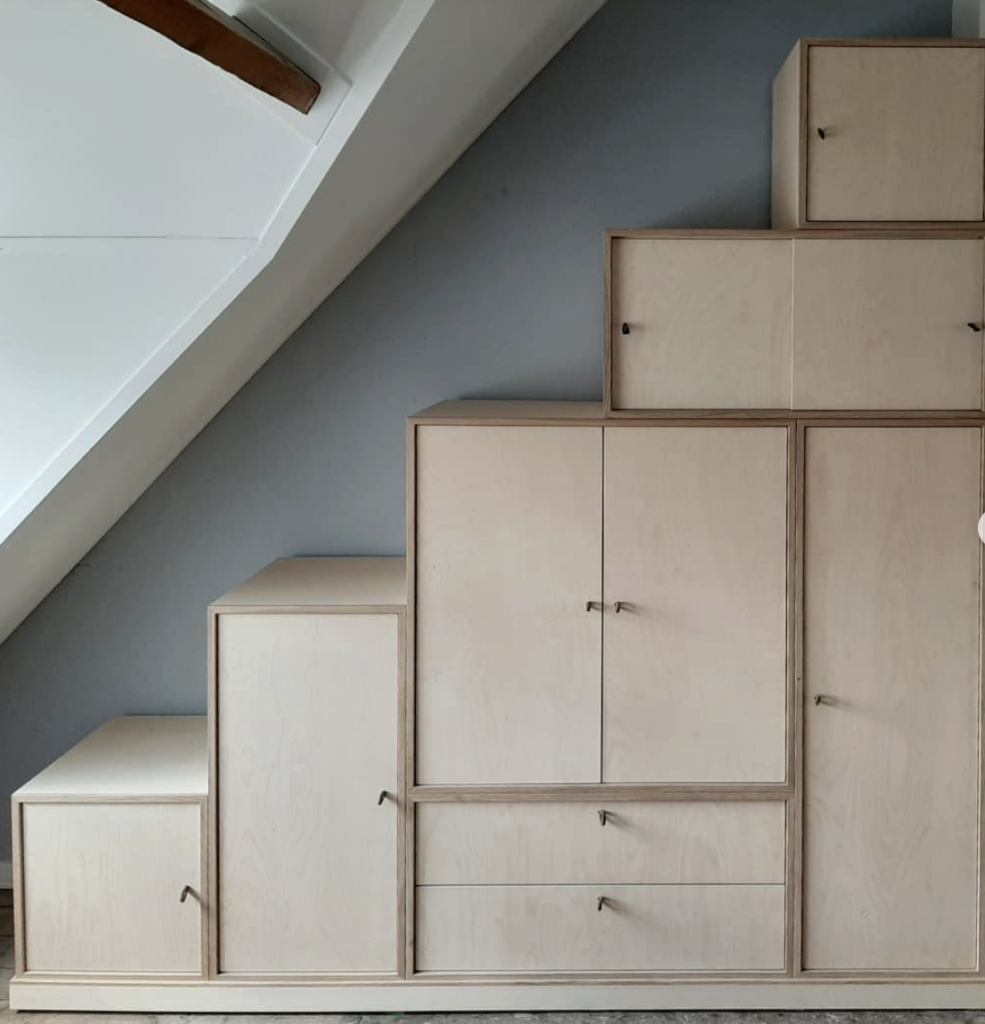
This one is a specialized form of tansu, the kaidan tansu is shaped like a staircase, with each step functioning as a drawer or a lifting lid. It was used to access high storage lofts while providing storage itself.
In a lofted apartment or a room with a mezzanine bed, a compact step chest can replace both a step stool and a chest of drawers. Talk about being a double-duty hero. Shoes, books, or folded clothes live on the steps, and you safely reach the upper level without cluttering the floor with a separate ladder or stool.

11. Store Bedding Daily in the Oshiire Ritual
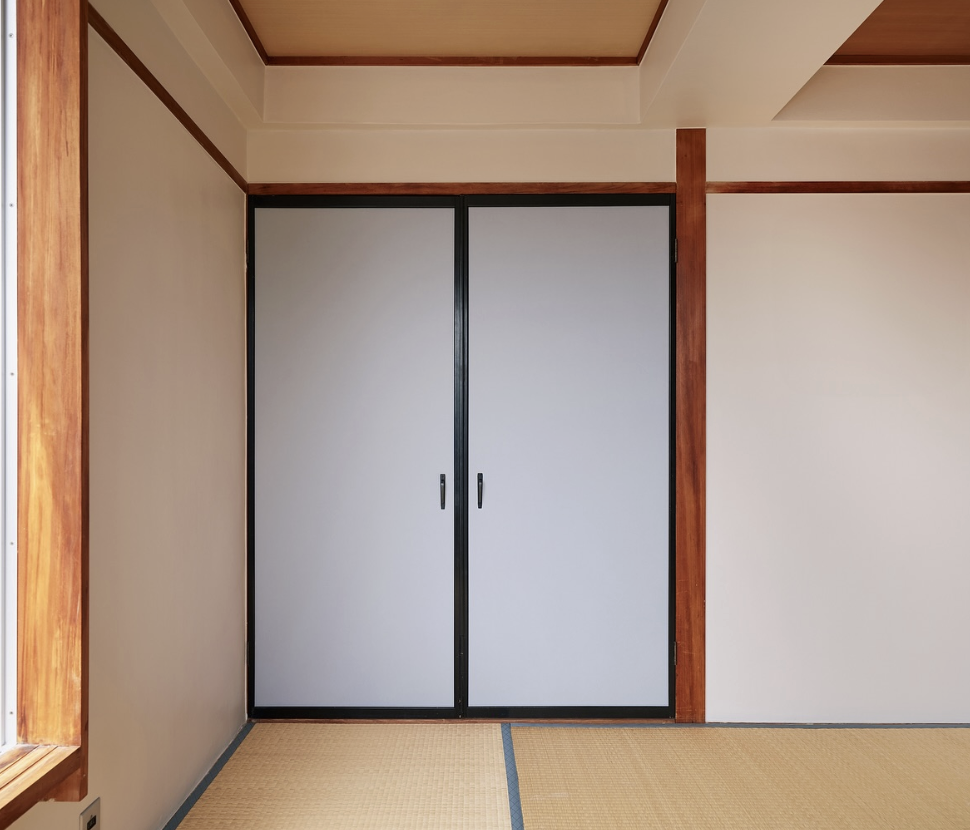
The daily habit of folding and putting away the futon is not a chore; rather, it is a transformative ritual, and trust me, because it’s coming from someone who’s tried and tested this. In a small space, the bed is the largest single object. By removing it during the day, you reclaim up to 70 percent of the floor.
Even with a Western mattress, consider a fold-away bed or a daybed with deep storage drawers underneath. Each morning, tuck away everything related to sleep. By breakfast, your bedroom is a yoga studio, a home office, or a generous play area for children.
12. Yuka-Shita Shuno: Under-Floor Storage
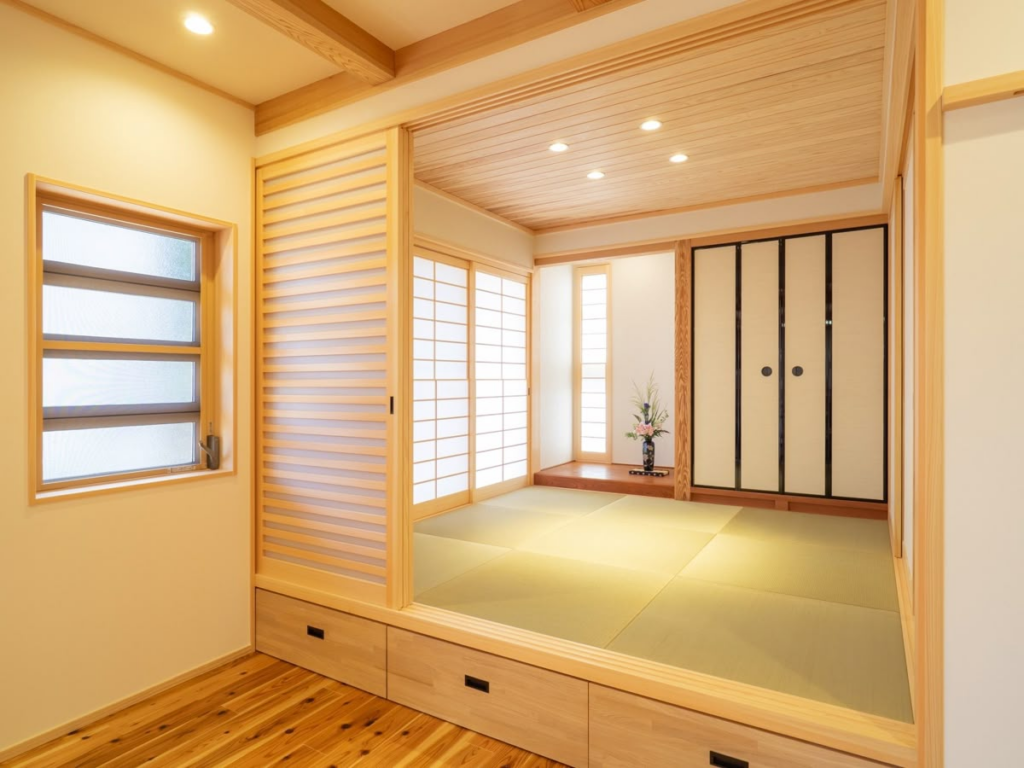
In Japanese homes, a raised floor created a shallow cavity beneath, it’s called yuka-shita shuno, which can be accessed by removable panels. It stored preserved foods, tools, and seasonal items.
You can mimic this in your modern apartment by building a slightly raised platform (even just 20 centimetres) for your bed or seating area, with lift-up lids. Store flat items like yoga mats, wrapping paper, spare linens, or off-season shoes. The floor itself becomes a secret chest, and Voila! extra storage!
13. Wrap Clutter with Furoshiki
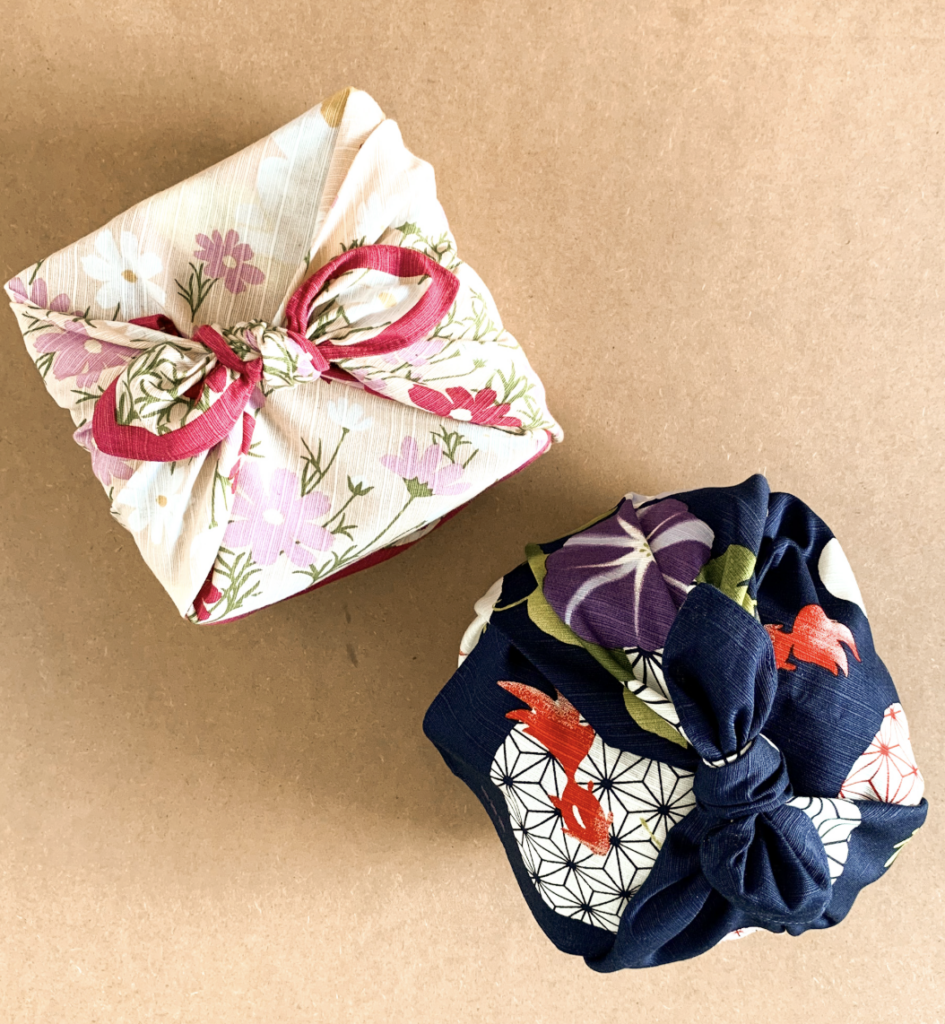
Furoshiki are squares of fabric used to carry, wrap, and present gifts. In the home, they become a flexible, beautiful storage solution like the ones in this picture.
Gather loose items like cords, accessories, scarves, spare linens, and wrap them into neat bundles. You can stack these on open shelves. You can source these fabrics from your nearest thrift/vintage stores and make them one of a kind, too!

14. Perform a 5-Minute Evening “Soji” Reset

Soji is the spiritual practice of cleansing, performed daily in temples and schools. It is not about deep scrubbing, but about restoring order and clarity after each day.
Each night, set a timer for five minutes. Walk through your small home with a basket, pick up every stray item, and return it to its precise home as defined by Seiton. Straighten cushions, wipe one surface. When you wake up, the space greets you with yesterday’s peace, not yesterday’s mess.
15. Practice Koromogae (Seasonal Rotation) for Everything

Koromogae is the biannual Japanese ritual of swapping clothing, bedding, and household textiles. Around June 1 and October 1, out-of-season items are cleaned, inspected, and stored in breathable containers. Talking about a timeline, I love it for all my Type-A girlies.
Extend this to throws, cushions, kitchen tools, and decor. Only the current season’s items remain in active storage. This will make sure to prevent the slow, invisible creep of unused objects.
16. Enforce the “One In, One Out” Rule (Danshari Discipline)
From the principle within Danshari, your home is a fixed vessel. It cannot expand. Therefore, for every new object that enters, one must be thanked and released.
A new shirt replaces an old one. A new book means one departs for a free library. This rule maintains a stable, curated inventory.
Over time, your belongings improve in quality, and your small space never feels more cramped than the day you moved in, and you won’t be sitting in a pile of clothes wondering why you bought so many mindlessly.
17. Maintain an Empty Sink Habit
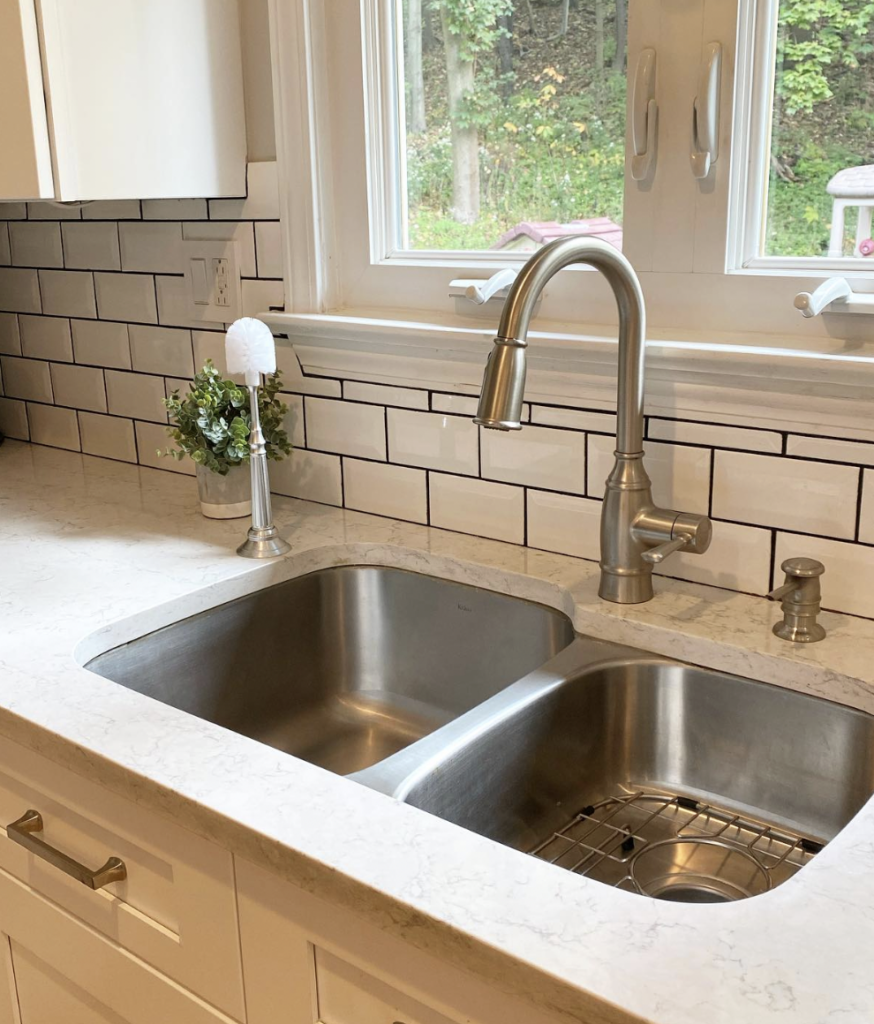
In many Japanese homes, the sink is kept clean, empty, and dry after use. Dirty dishes are never left to soak; they are washed, dried, and put away immediately.
In a tiny kitchen, the sink doubles as prep space. An empty sink reclaims that central work area instantly and sends a signal that the kitchen is ready for some chef action. This single habit makes everything so much easier.
18. Keep One Wall Bare (Wabi-Sabi Simplicity)

Wabi-Sabi is the beauty of imperfection, transience, and simplicity. It teaches that not every surface needs decoration.
Designate one full wall in your main room as “the empty wall.” No shelves or no furniture leaning against it. This stark simplicity gives the eye a complete rest and makes the room feel deeper and calmer. The emptiness itself becomes a statement of restraint and confidence.
These ideas are often adapted for modern homes, but they reflect underlying principles that prioritize flexibility, space, and daily upkeep rather than perfection.
A Home That Breathes
Here’s what I want you to take away from all of this: a small space isn’t a problem to be solved with more stuff; it’s an invitation to be more intentional about the stuff you already have.
You don’t need to adopt every single concept on this list tonight or turn your apartment into a minimalist museum that stresses you out every time you set something down.
Pick one idea that actually resonated with you, live with it for a week, and watch how much it changes the feeling of the whole space. The Japanese figured this out, and the one thing they all agree on is that less, done thoughtfully, always feels like more.