How to Design a Tiny Bedroom That Maximizes Every Square Inch (Best Ideas)
This site contains affiliate links. We may earn a small commission, at no extra cost to you. Article may contain some images for illustrative purposes only .
Remember how Harry Potter lived in a cupboard under the stairs and somehow made it work? Okay, your bedroom isn’t that small, but if it feels like it’s giving cupboard-under-the-stairs energy, this one’s for you.
Small bedrooms get a bad reputation. People walk in, see the limited space, and immediately start mentally apologizing for it. But here’s the thing, size has very little to do with how good a bedroom actually feels. Some of the coziest, most beautiful bedrooms in the world are tiny. The difference is just knowing what to do with what you’ve got.
And it really comes down to a very simple mantra. Being mindful of what you want in your space. Ready to make every inch count? Let’s go.
Things to consider before designing a tiny bedroom
Ok, so before you start shopping for bedding and painting walls, take a look at the space youve got and ask yourself a few key questions.
- Measure the space – Grab a tape measure and note down your dimensions, including windows, doors, and power outlets.
- Consider storage needs – You need to be brutal here, as you just won’t be able to fit everything. Make a list of the furniture that you need and the extras you would like.
- Natural lighting – Observe the amount of natural light the room gets at different times of the day. Set a budget before you get carried away with ideas online.
And if you’ve got weird stuff like slanted ceilings or strange corners, those are actually gonna affect what you can do with the space.
You can consider investing in a smart alternative like a storage bed solution that has built-in compartments to maximize your storage without taking up extra floor space. Another fan favorite is a vertical shoe storage option to keep your footwear organized without sacrificing precious floor area.
Again, these are a few from the top of my head, but do spend some time finding storage solutions that work best for your space.
How Small Is Too Small for a Bedroom?
You measured everything, and now you’re thinking, is this even enough space? Ok, so at a minimum, most bedroom size experts say you need 70 square feet to call it a bedroom.
If you’ve got a 7×10 room, you can fit a twin mattress and have walking space.
Bedrooms have to be a minimum of 7×7 square feet to count as a bedroom according to most building codes. If you want to sell or rent your home out in the future, this is one of those legalities that comes into play.
Closet conversions into sleeping areas are another idea in ultra-tight spaces. You’ll just have to make sure you provide ventilation and lighting. Try a Murphy bed idea or a lofted bed if you’re faced with an ultra-small bedroom.
31 Tiny Bedroom Ideas
1. Attic Nook
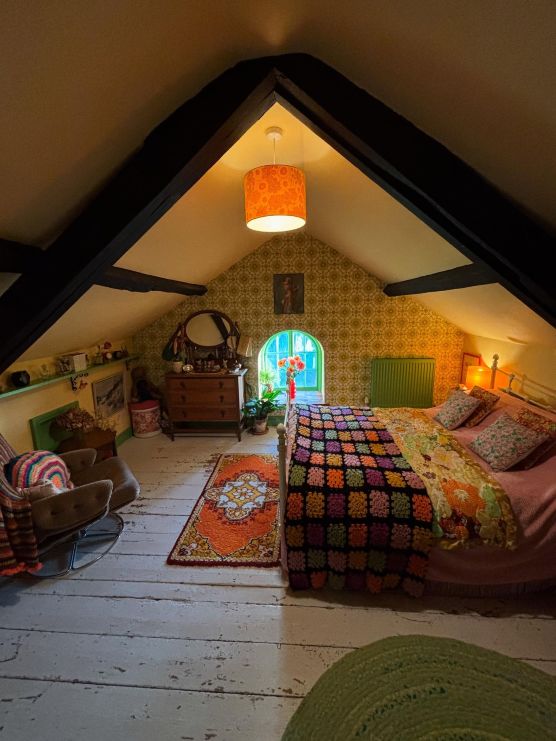
That sloped ceiling you’ve been frustrated with? It’s actually your secret weapon. Push your bed into the lowest part of the slope, add some string lights, and suddenly you don’t have a weird ceiling.
You have a cozy private hideaway. Tuck built-in shelves under each slope for books and trinkets, paint the walls light, and watch how the whole space open up.
2. Ship Cabin
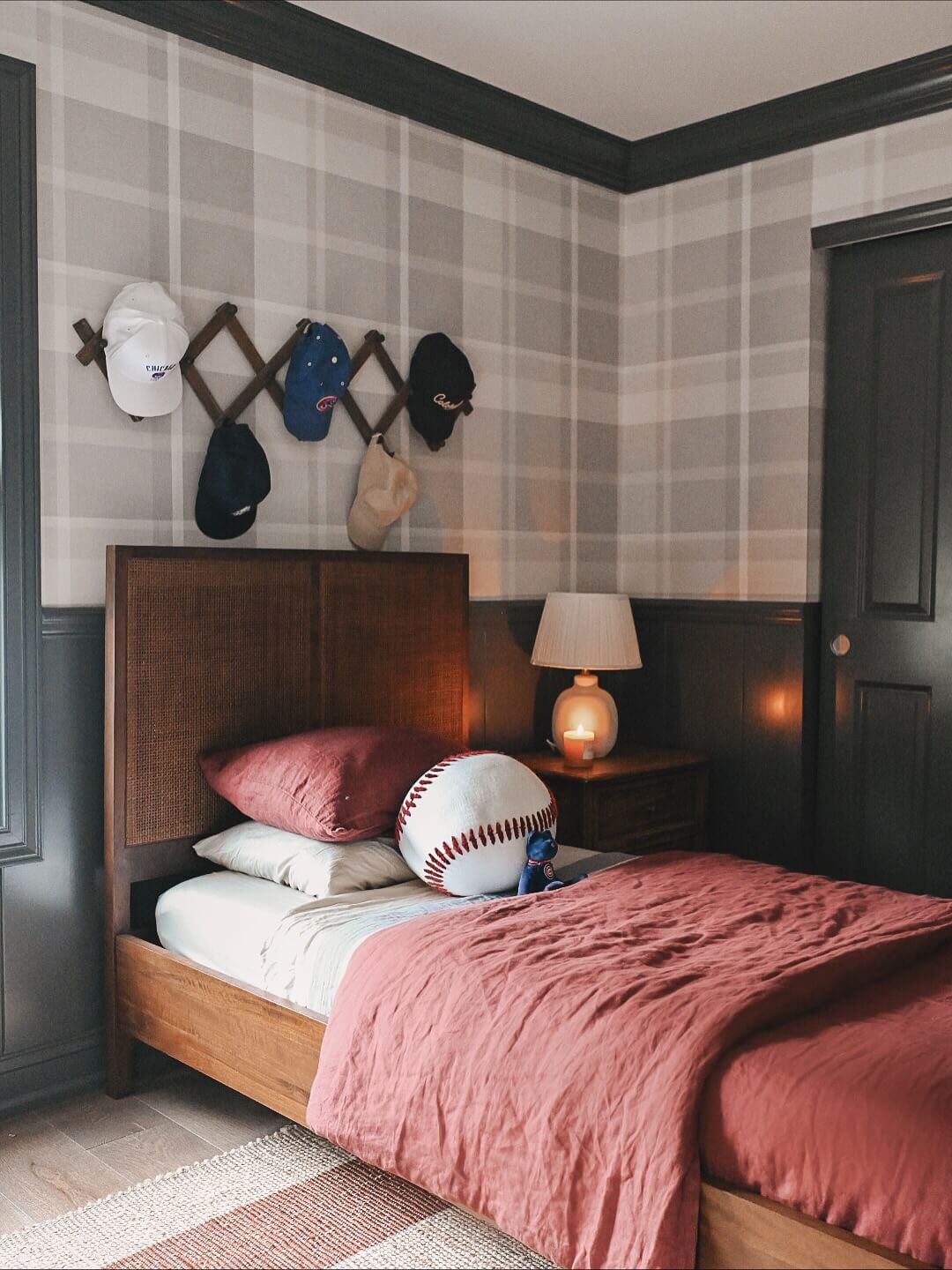
Ever notice how a boat cabin fits everything you need into practically no space? Steal that energy for your bedroom. Install a bed with built-in drawers underneath, add wall hooks for clothes, and choose furniture that folds away when you’re done with it. Give every item a specific home, and your small bedroom suddenly runs like a well-oiled ship.
3. Loft Space
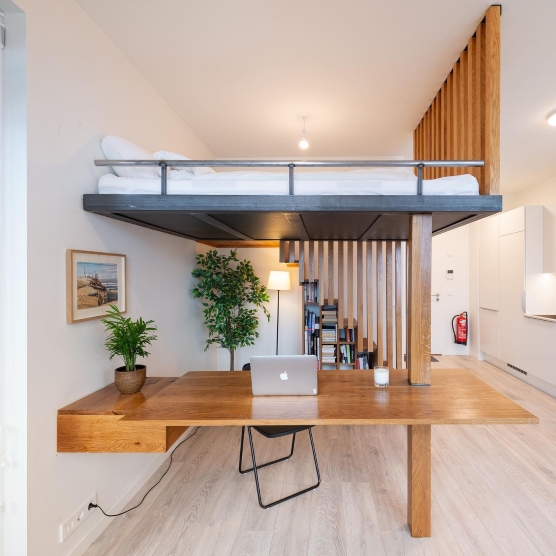
If you’ve got high ceilings and you’re not using them, you’re leaving free real estate on the table. Raise your bed up top, and suddenly you’ve got an entire extra zone underneath for a desk, dresser, or small sofa. It sounds unconventional until you try it, and then you’ll wonder why you didn’t do it sooner. You’ll need at least eight feet of ceiling height to make it work safely.
4. Micro Studio
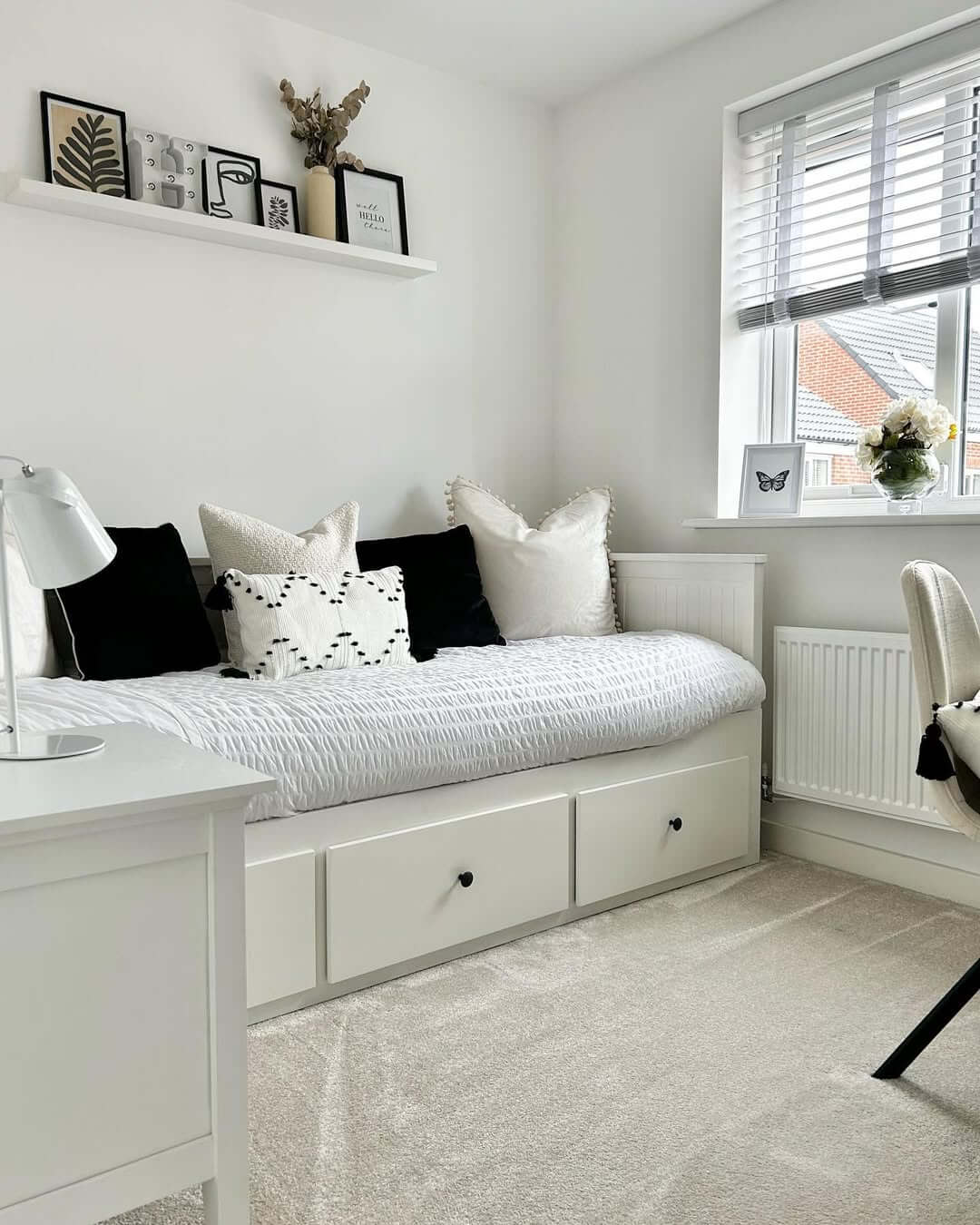
The ultimate secret to a micro studio that doesn’t feel suffocating, if you ask me, is zones. Split your space into sleeping, living, and storage areas and design each one with intention. A daybed pulls double duty as a sofa by day and a bed by night, and an ottoman with hidden storage does the same. With the right plan, your micro studio stops feeling small and starts feeling smart.
5. Pod Room
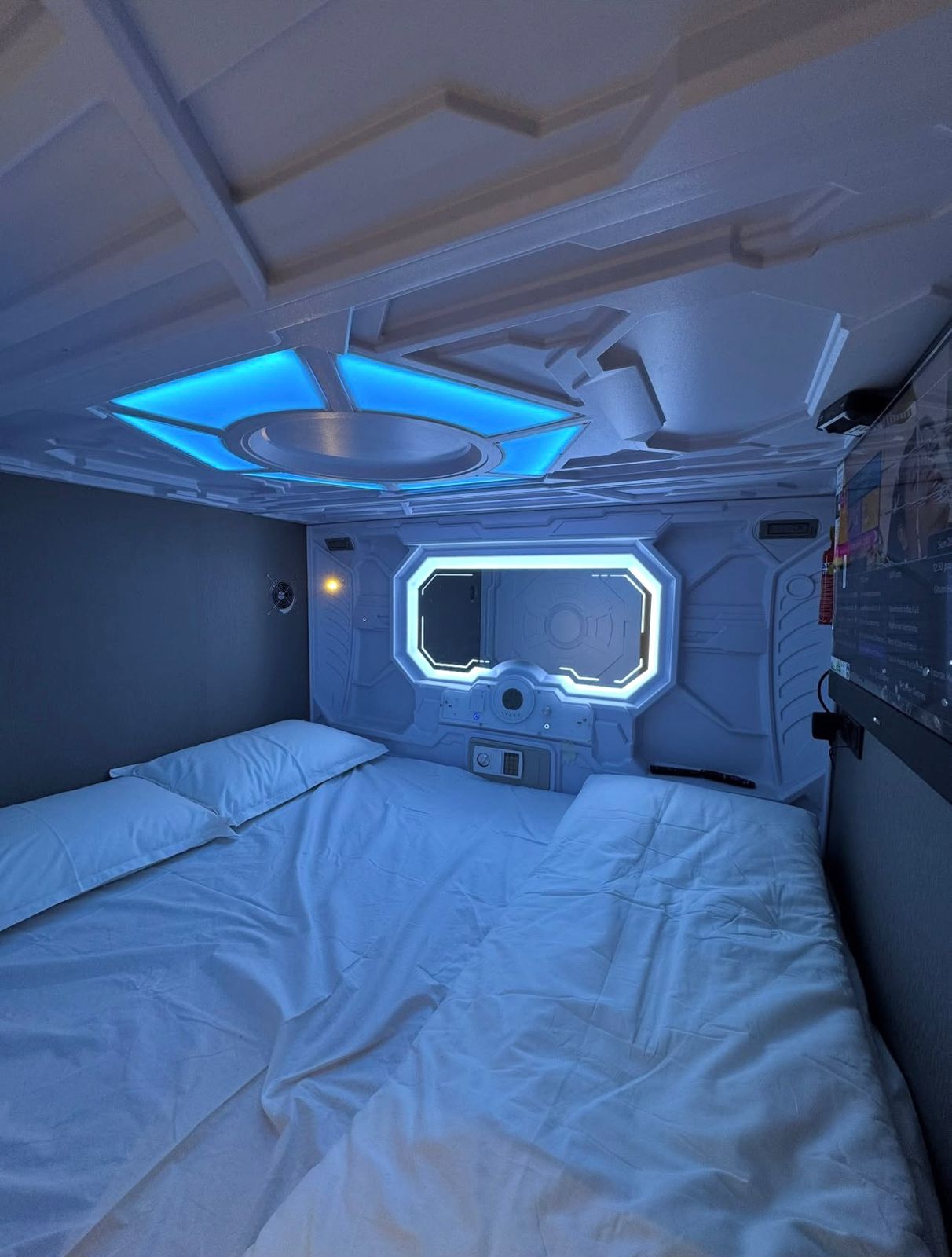
Have you come across those Japanese capsule hotels? Now we are talking about it in your bedroom. Build your sleeping area into its own little world. Built-in lighting, a charging port right where you need it, curtains for privacy, and shelves within arm’s reach. Paint the pod wall a completely different color from the rest of the room to make it stand out. It’s cozy, functional, and honestly a little bit cool.
6. Studio Corner
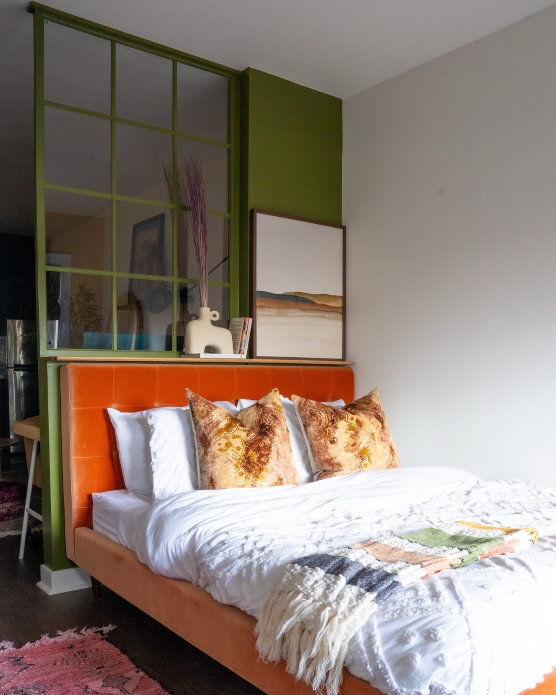
The hardest thing about a studio apartment is that your brain never fully switches into sleep mode because everything is in one room. I get it, you’re an artist untethered, but you need some sleep.
Fix that by creating the feeling of a separate space, so maybe a bookshelf as a soft wall, a rug to anchor the sleeping zone, and your bed pushed into the corner. Keep furniture low so the ceiling feels taller, and watch your brain actually start to relax in there.
7. Murphy Bed Suite
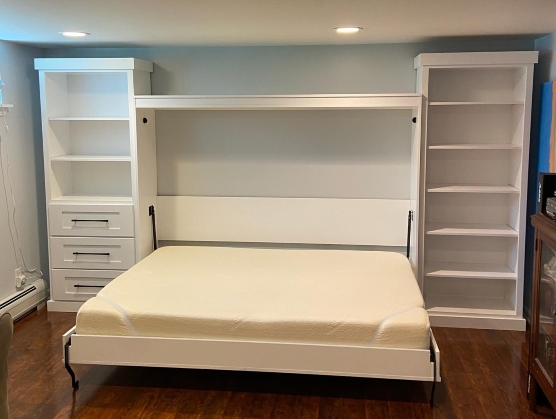
A Murphy bed is the ultimate small bedroom cheat code. Fold it up, and you’ve got a full functioning room back; fold it down, and you’ve got a proper bed for the night. Look for a model with built-in storage on the sides or a fold-down desk attached, so your bedroom moonlights as a home office. It’s one piece of furniture doing the work of an entire room.
8. Train Car Style
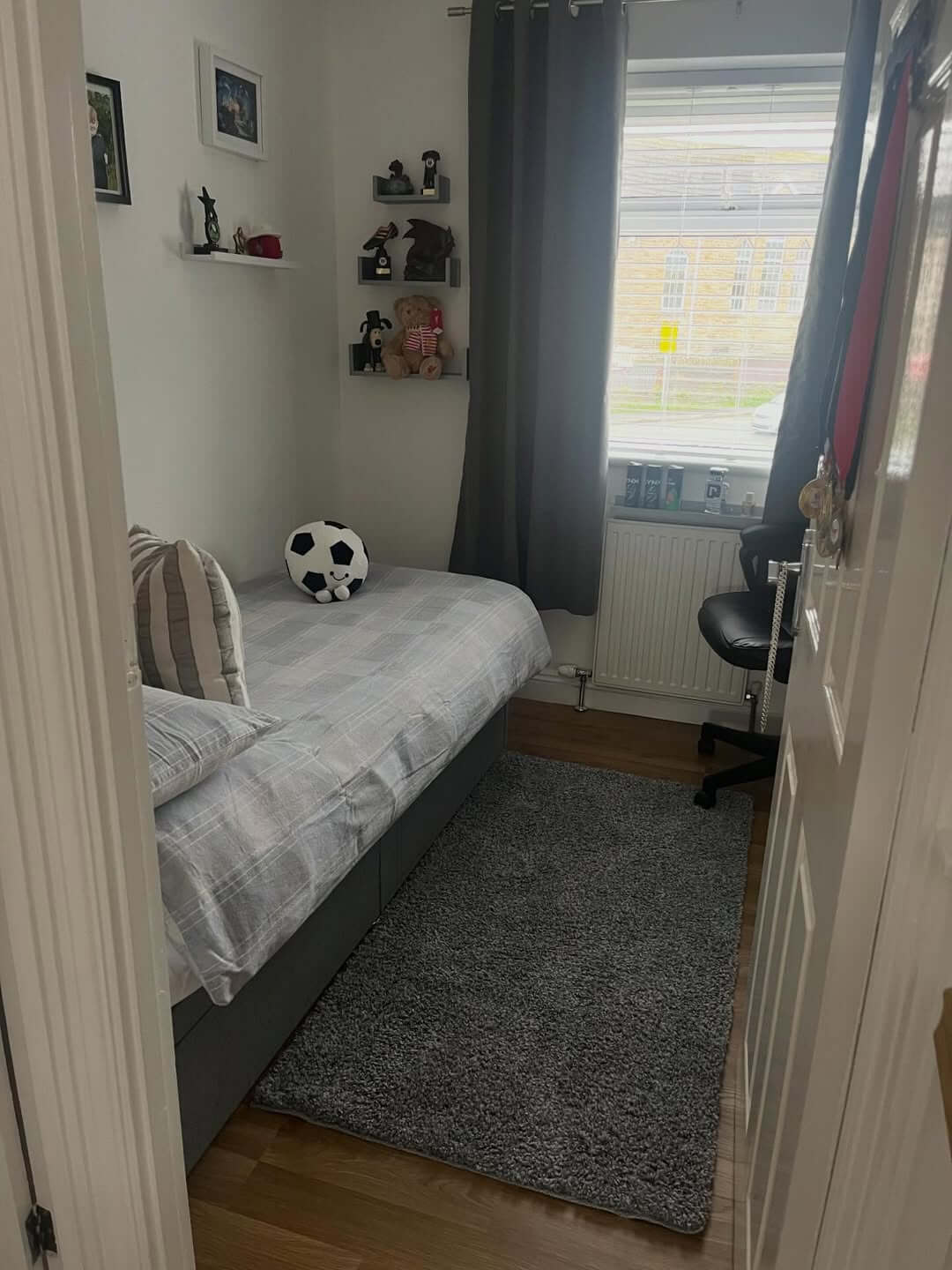
Sleeper train cars are basically a masterclass in small space design, and your bedroom can borrow the whole playbook. (never knew I could be inspired by trains, but here we are i guess?)
Position your bed along the longest wall with storage underneath, install fold-down tables, and use tall, narrow cabinets to climb the vertical space. It feels snug at first, but once everything has its place, it feels purposeful rather than cramped.
9. Under-Stair Chamber
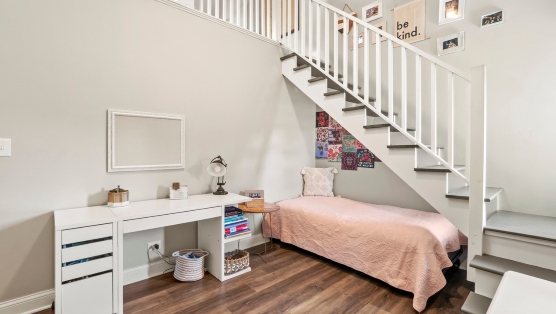
If your under-stair nook is currently a graveyard for boxes and forgotten gym equipment, it’s time for a serious upgrade. Slide a mattress into the deepest part, run string lights along the slope, and build drawers directly into the stairs for storage nobody will even notice. Hang a curtain at the entrance for privacy, and it becomes the coziest little hideaway in the whole house.
10. Alcove Bedroom
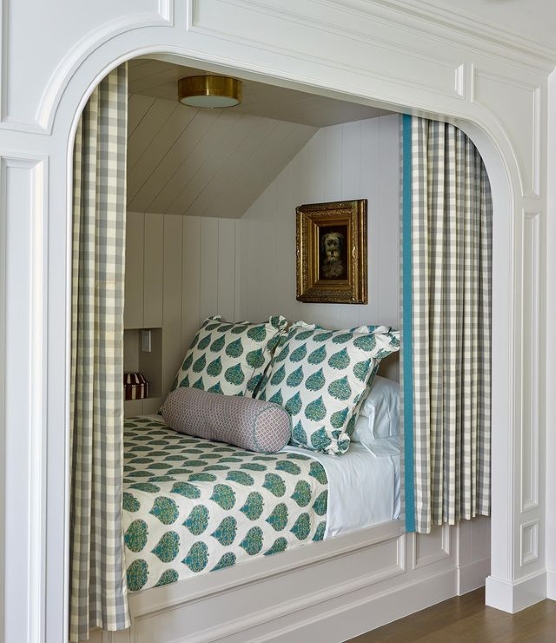
If your room has an alcove and you’re not sleeping in it, you’re missing out on one of the coziest setups imaginable. Tuck your bed right into that recessed space, and instantly you’ve got a sleeping nook that feels private and surprisingly spacious.
Make sure to add some soft lighting and a curtain across the opening, and it feels less like a bedroom corner and more like your own little sanctuary.
11. Mezzanine Sleep Space
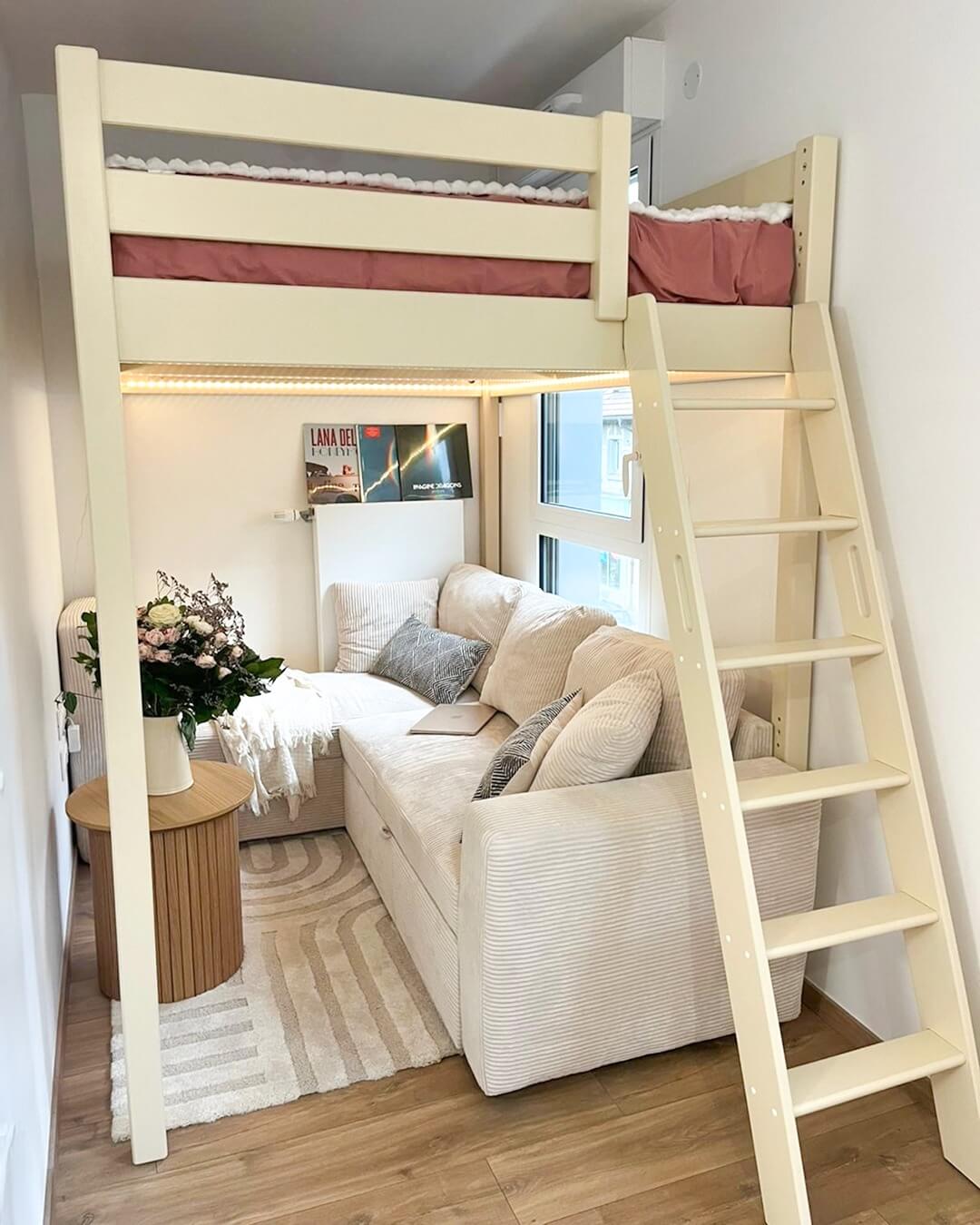
You can think of a mezzanine bedroom as a grown-up treehouse, and yes, it’s exactly as good as it sounds. You build a platform up high, put your bed on top, and suddenly, the entire floor below is yours to use however you want.
It’s one of those ideas that sounds ambitious until you see it done, and then you immediately wish you’d done it sooner. Just make sure you’ve got at least three feet of clearance between your mattress and the ceiling because nobody wants to sit up and see stars.
12. Balcony Enclosure
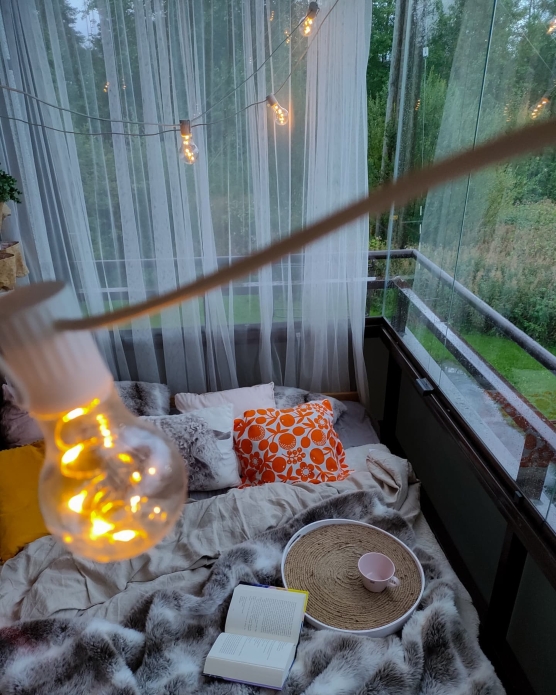
Your balcony is basically a bedroom waiting to happen, or not. I might be at a crossroads with this one; it just needs a little convincing. Once you’ve checked local building codes and got the green light, add weatherproof windows, proper insulation, and a twin bed along one wall.
Keep the glass open and airy so you don’t lose that outdoor feeling, and add curtains for privacy when you need it. Waking up to that kind of natural light and view every morning? Absolutely worth the effort.
13. Window Bay Room
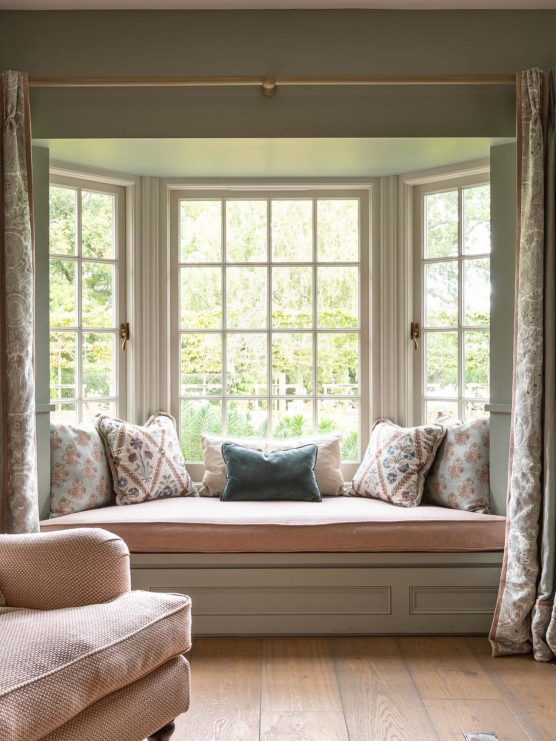
Don’t you dare look upon a bay window. That deep, sunny nook is a natural bed space. You can tuck your mattress right in, add curtains for privacy, and wake up every morning surrounded by light and views.
It makes even the tiniest bedroom feel bright and open, and built-in storage underneath means you’re not giving up a single inch of practicality either.
14. Garage Studio
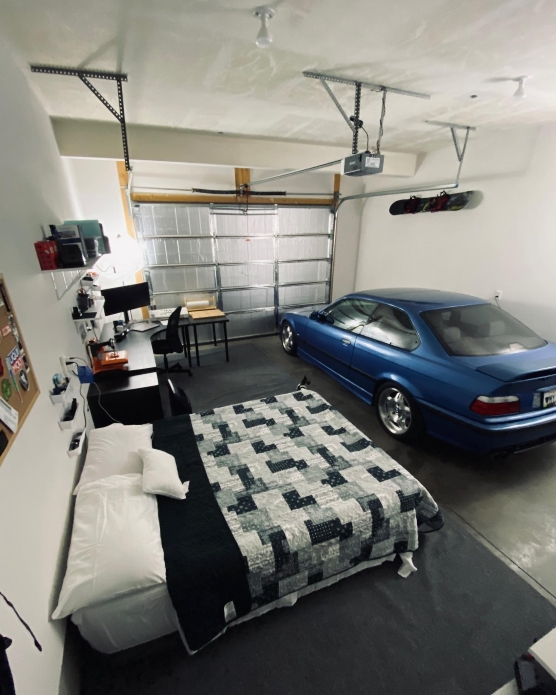
A garage conversion is one of the most underrated small bedroom moves out there. Sort out the insulation, heating, and lighting, and you’ve got a space with its own entrance, tall ceilings perfect for a loft bed, and more character than any standard bedroom.
Keep the industrial vibe with exposed brick or concrete, or finish it out to match the rest of your home. Either way, you end up with something genuinely unique.
15. Basement Cubby
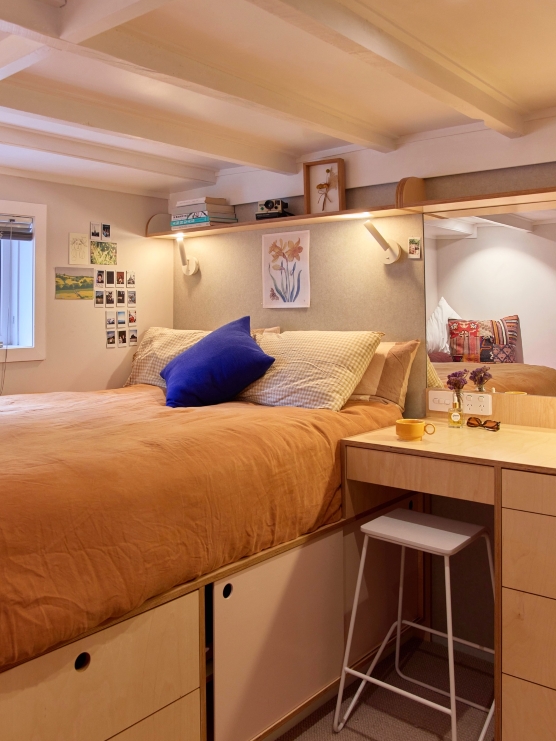
Basements get a bad reputation, and honestly, most of it is deserved (you know what I mean), but it doesn’t have to stay that way. Start with moisture-proof flooring and walls, add warm lighting to fight the dimness, and bring in a plush bed with extra blankets to make the space feel genuinely cozy.
String lights do wonders down here, and storage boxes that slide under the bed keep everything tidy without eating up any floor space. Done right, a basement bedroom feels snug and private in the best possible way.
16. Caravan Quarters
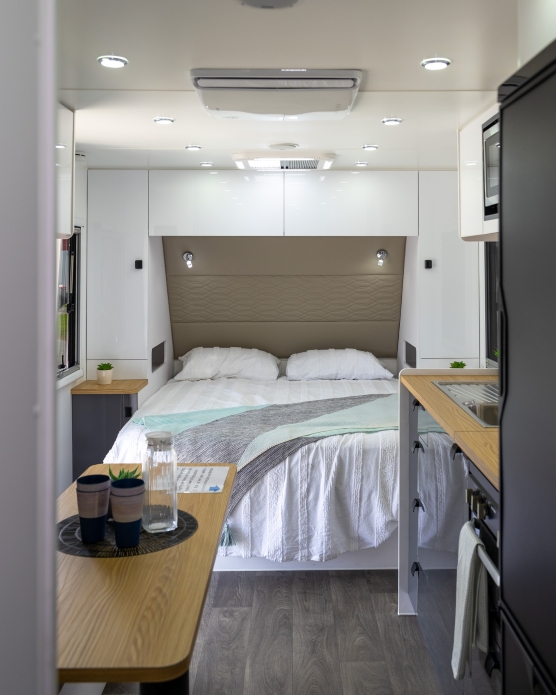
Caravan-style living is having a serious moment, and for good reason, because it proves that you genuinely don’t need much space to live well.
Take that same design philosophy indoors: built-in everything, storage in every gap, and furniture that earns its place by doing more than one job. It’s compact, clever, and surprisingly comfortable once you commit to the approach.
17. Storage Room Makeover
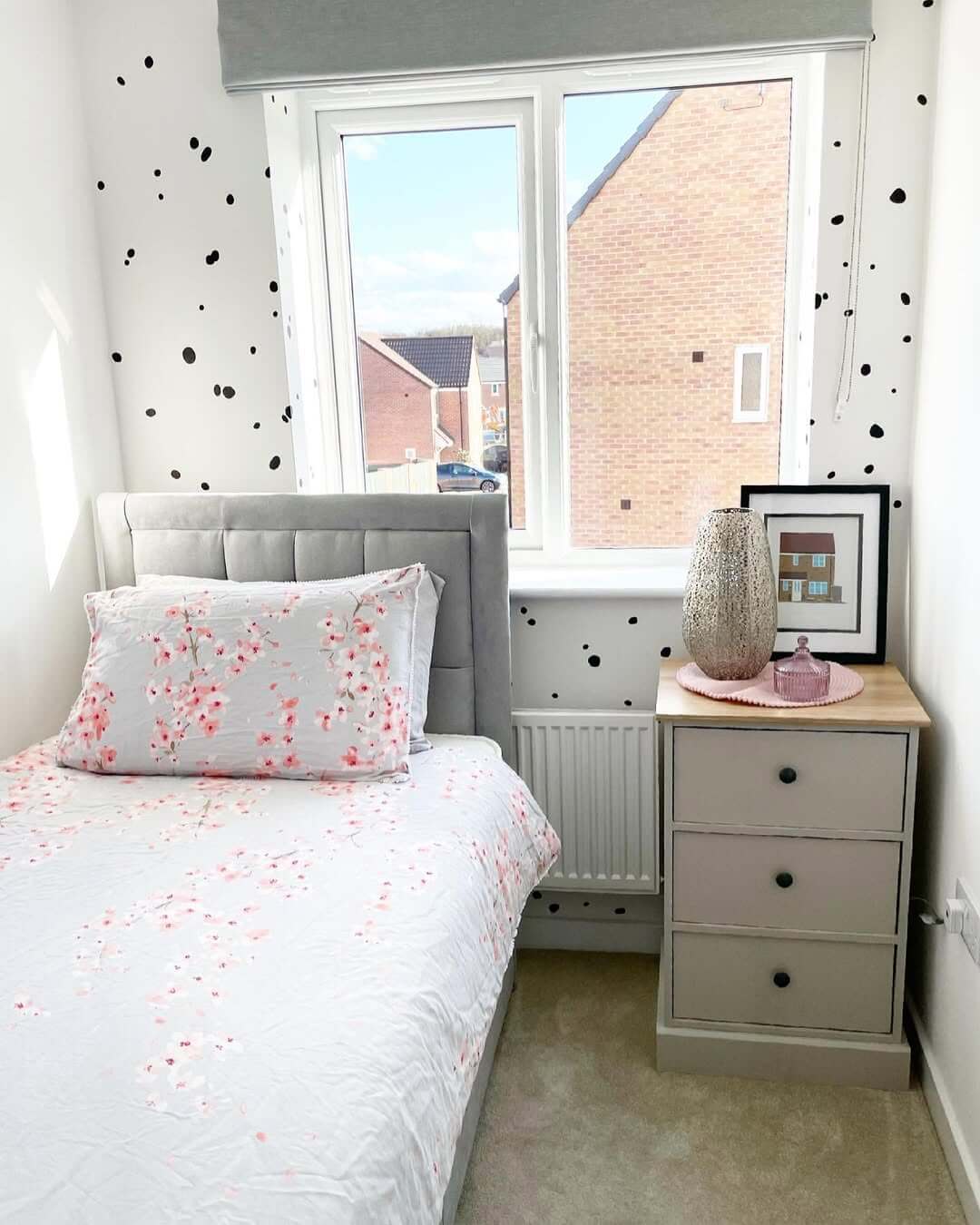
A storage room and a bedroom have more in common than you’d think. Let me state the obvious: four walls, a ceiling, and potential. Clear out the clutter, paint the walls a light color to open things up, sort out the ventilation, and you’ve already done most of the hard work.
You can add vertical shelving, a proper closet setup, and a bed that fits the space, and what used to store boxes now stores you comfortably.
18. Closet Office Hybrid
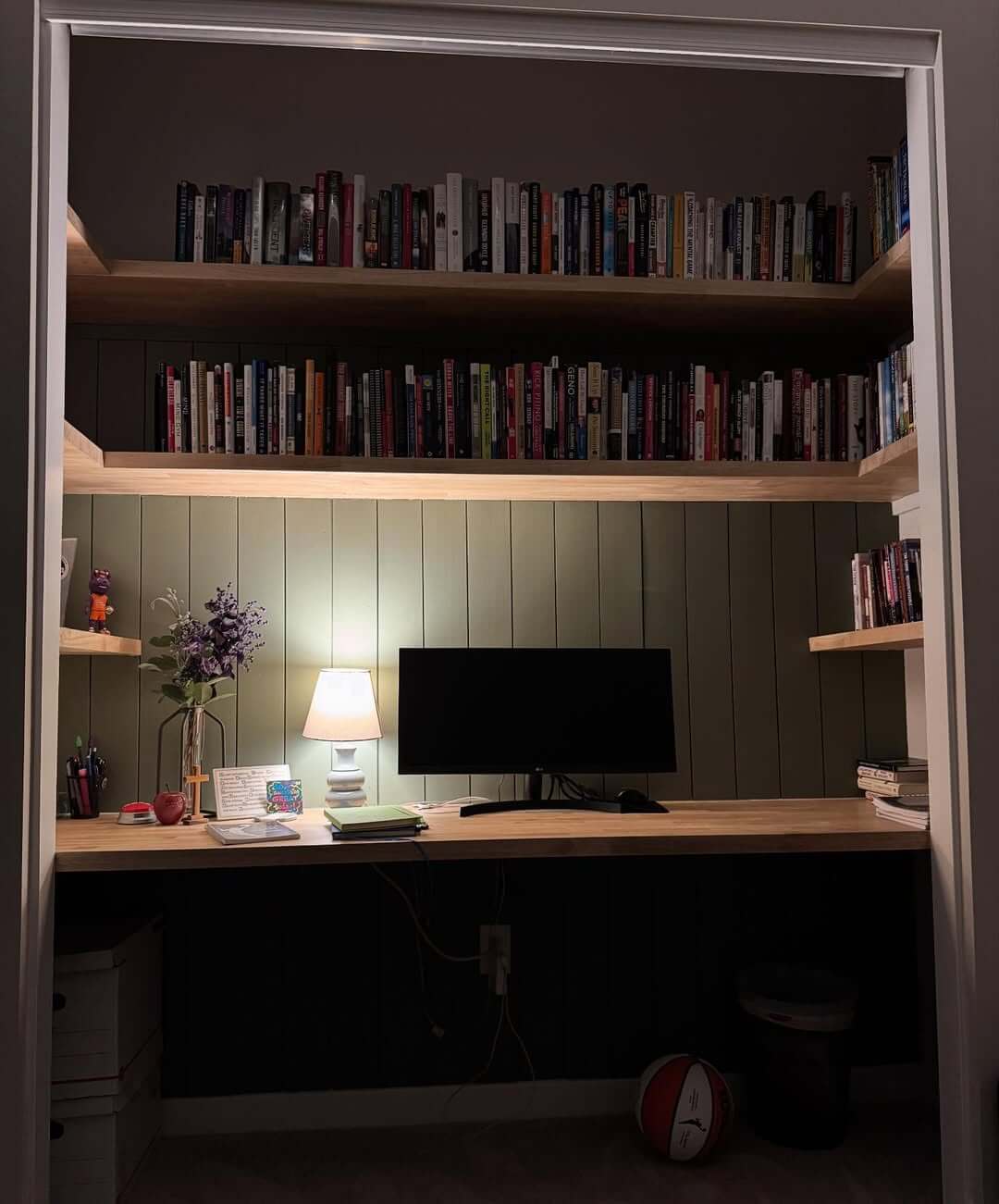
This one is pure genius for anyone working from home in a small space. Install a fold-down desk inside your closet, add task lighting under the shelves, and use the rod for hanging file folders and organizers.
Keep your clothes on one side and your work setup on the other, and when the workday is done, just close the doors. Out of sight, out of mind and your bedroom feels like a bedroom again.
19. Mini Guest Room
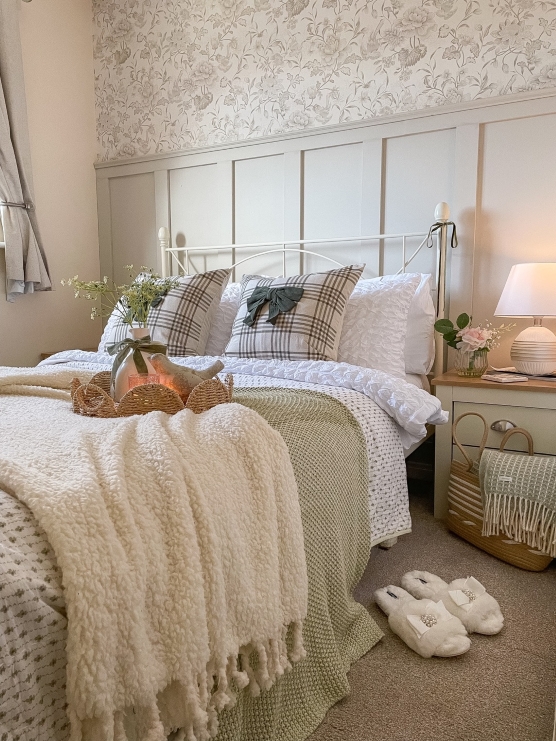
A mini guest room is proof that you don’t need a lot of space to make someone feel genuinely welcome. A well-chosen daybed or compact single frame, thoughtful storage, good lighting, and a few personal touches go a long way.
Your guests won’t remember the square footage, but in fact they’ll remember how comfortable and considered it felt.
20. Office-Bedroom Combo
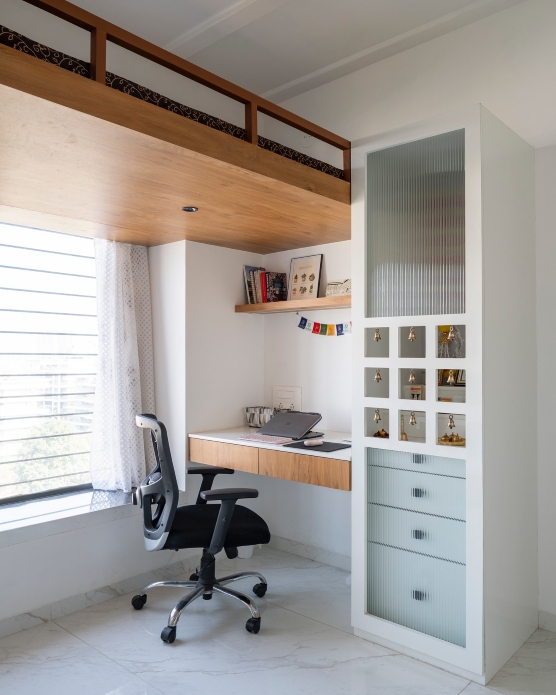
Sharing a bedroom with a desk doesn’t have to feel like a compromise. Position your desk at the foot of the bed or against a side wall, choose a slim profile that doesn’t dominate the room, and add floating shelves above to keep work things organized and off the surface.
A lamp that works for both late-night reading and late-night working is the small detail that ties the whole thing together.
21. Reading Nook Bed
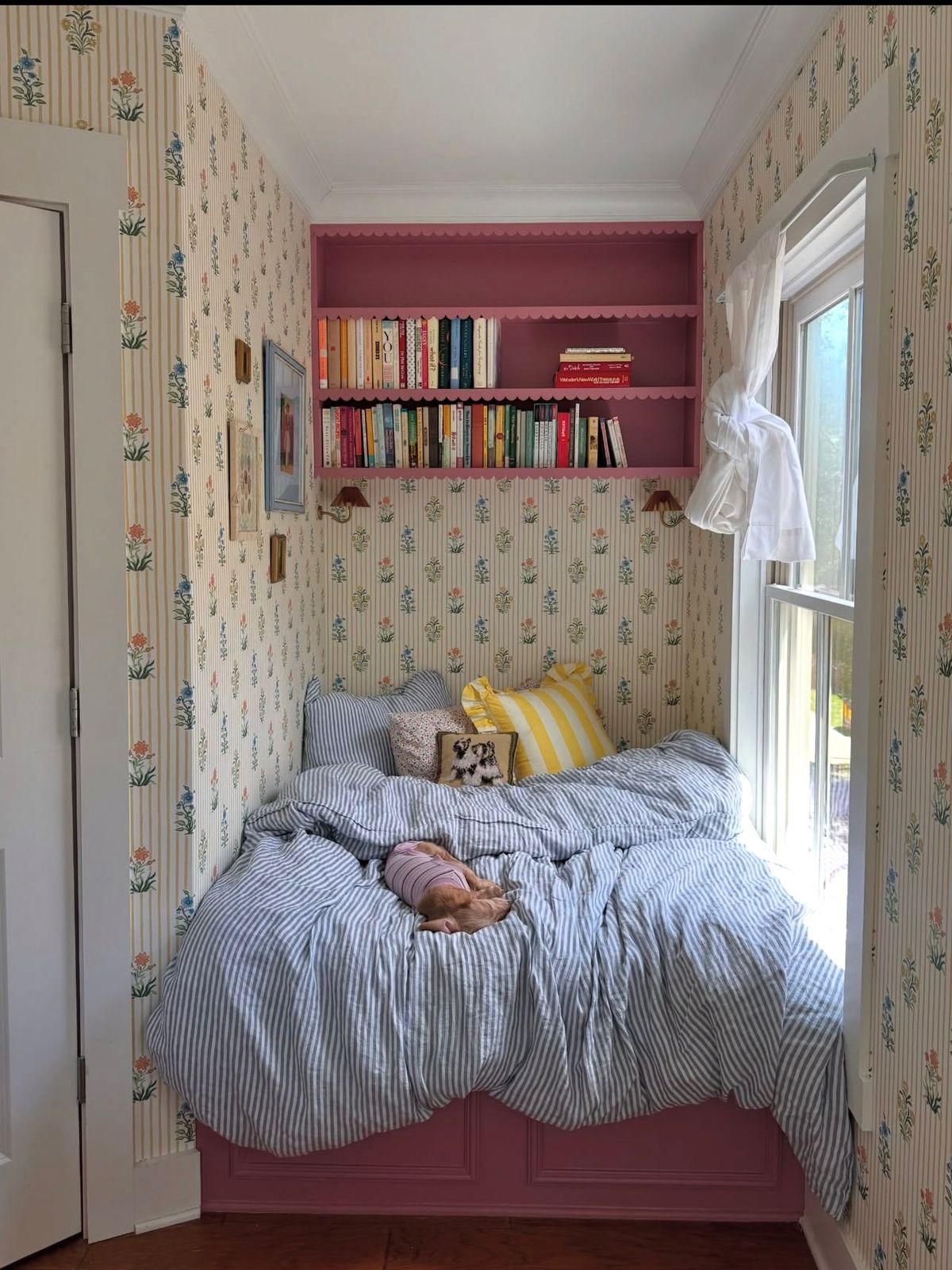
If you’re a reader, your bed should work harder for you than just being a place to sleep. A padded headboard, wall-mounted lights at the perfect angle, floating shelves within arm’s reach, and a stack of extra pillows for sitting up comfortably.
That’s all it takes to turn an ordinary bed into the coziest reading setup imaginable. A bed frame with built-in storage underneath keeps your book collection close without taking over the room.
22. Micro Dorm
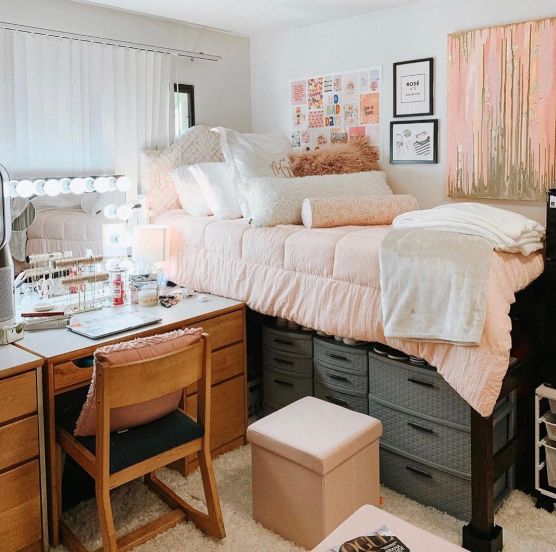
Micro dorms are your savior in super-tiny bedroom living situations. Think of it as a tiny studio apartment that actually has its life together. Within just 80-100 square feet, you can fit a lofted bed, a compact desk underneath, and smart storage that keeps everything off the floor.
Wall-mounted lights, door-hanging organizers, and vertical shelving do the heavy lifting here. You can even add string lights and a small pinboard for your photos, and it stops feeling like a dorm room and starts feeling like your room.
23. Garden Shed Room
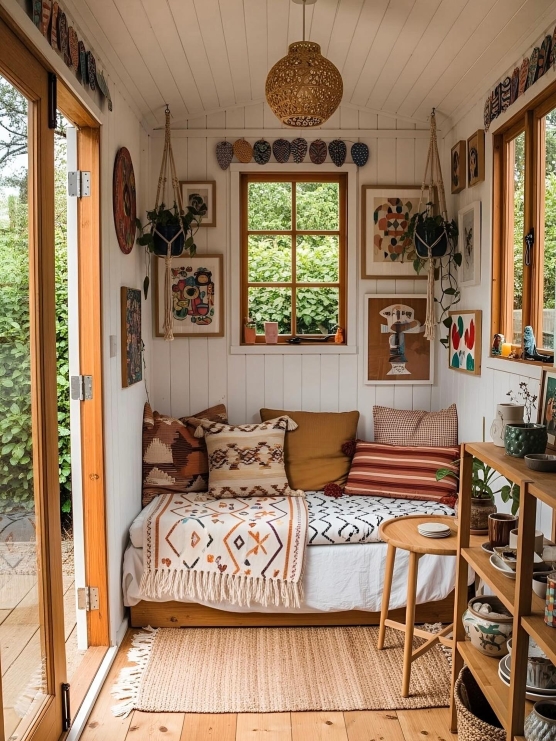
That old garden shed sitting in your backyard? It’s secretly a bedroom waiting to happen. I know it sounds like a bit of a stretch, but after seeing Sophie & Benedict from Bridgerton can cozy up there, so can we.
Sort out the insulation, add some windows, run electricity for lighting and heating, and you’ve essentially got a tiny house that’s all yours.
Paint the walls light, lay down weather-resistant flooring, tuck a bed against one wall, and add a little reading nook by the window. It’s cozy, it’s private, and it has a charm that no regular bedroom can quite replicate.
24. Crawl Space Conversion
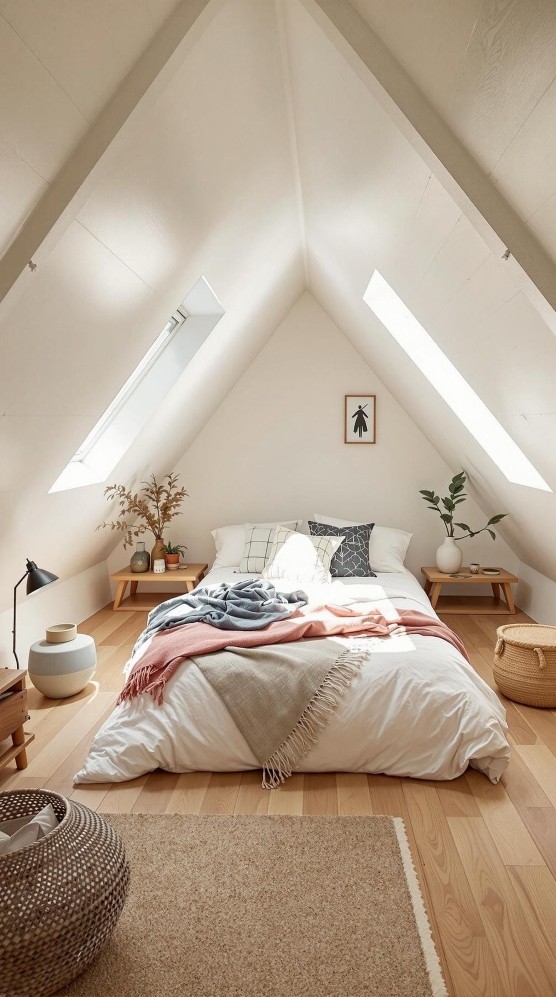
Okay, this one sounds wild, but hear it out. If your crawl space hits at least four feet at its highest point, it’s actually a legitimate sleeping nook waiting to be discovered.
Make sure to add flooring, insulation, and lighting, lay down a low platform bed or floor mattress, and tuck small storage cubbies along the lower walls where the ceiling slopes. That sloped ceiling seems like a problem? It’s actually what makes the whole space feel intimate, den-like, and surprisingly cozy.
Smart Storage Strategies for Tiny Bedrooms
Storage hacks can really make or break your small bedroom.
- Look for vertical options such as floor-to-ceiling shelving or under-the-bed storage bins. Invest in furniture that can do double duty, such as beds with drawers, nightstands with storage, or wall-mounted desks.
- A lot of people forget about door space for hanging organizers or even the backs of closets, where you can fit slim storage units.
- Consider installing floating shelves above your bed or desk to create additional display and storage space while saving valuable surface area in your tiny room.
- You might also want to install a pegboard wall for hanging everyday items and keeping essentials organized without taking up floor space.
When each piece has a purpose, and the details feel intentional, the room naturally settles into a sense of ease. A small bedroom does not need to impress anyone else.
It just needs to feel right when you close the door, turn down the lights, and let the space support rest, comfort, and everyday routines in a way that feels quietly your own.