Japanese Entryway (Genkan) Organization Ideas: How to Create a Calm, Clutter-Free Threshold
This site contains affiliate links. We may earn a small commission, at no extra cost to you. Article may contain some images for illustrative purposes only .
There is a moment that happens every time you walk through the front door of a Japanese home that I genuinely think about more than is probably normal for a person who has never actually been inside one.
It’s not a complicated ritual, and it doesn’t require expensive renovation or a complete personality overhaul, but it changes the entire feeling of coming home in a way that a scented candle and some throw pillows simply cannot replicate.
Meanwhile, in most Western entryways, there is a pile of shoes that has achieved sentience, a coat draped over a chair that has been there since November, keys that are somewhere in the general vicinity of that area, and a stack of mail that nobody has opened since the last time someone important was coming over.
This guide is going to walk you through how to borrow the genkan philosophy and turn that daily chaos into a threshold that actually feels like coming home.
The Genkan Mindset: Four Core Principles Before You Begin

Before you touch a single shoe or buy a single basket, it helps to understand the thinking behind a well-organized entryway. These principles will guide every decision you make, so buckle up. Not every Japanese home follows these practices perfectly, especially in small urban apartments, but these principles are commonly associated with functional genkan design
- Danshari (Refusal, Disposal, Separation)
- The genkan is the first line of defense against clutter. Dan means you refuse to let unnecessary items enter the home at all. Junk mail, promotional flyers, and giveaway tote bags, all of them, stop here.
- Sha means you dispose of things that are broken, worn out, or no longer serve a daily transitional purpose. That umbrella with a bent spoke? Thank it and let it go.
- Ri is separation, which means you create a clear boundary between “outside items” and interior living. The genkan holds only what you need to move between these two worlds.
- Ma (Meaningful Space)
- In Japanese aesthetics, empty space is not a void; it is a moment of breath. A genkan should never feel stuffed. A clear floor, an uncluttered console, a single beautiful object, these rest the eye and the mind.
- Visual breathing room reduces the stress of arrival and departure. When you open the door, you are greeted by calm, not chaos.
- Seiton (Set in Order Based on Flow)
- Everything in the genkan must be placed exactly where it is needed in the natural sequence of entering and leaving.
- If you always drop your keys first, the key tray must be the very first thing you touch. If you sit down to remove shoes, the bench must be right there.
- Seiton ensures that tidiness is the path of least resistance, not a constant battle.
- Mottai-nai (Respect for Objects)
- When you care for your belongings, they last longer, and you feel better using them. A pair of shoes properly stored in a ventilated cabinet retains its shape. A coat hung on a proper hook stays clean and unwrinkled, and crisp.
- Scattered items are disrespected items. The genkan is a place to honor the tools that carry you through the world.
Step-by-Step Genkan Organization Process
Tackling the entryway is easiest when you follow a clear, methodical sequence. This approach combines elements of the Japanese 5S methodology and the KonMari Method.
Step 1: Empty the Space Completely
Take a deep breath and remove absolutely everything from the entryway. Shoes, coats, bags, umbrellas, mats, decorative objects, stray coins, and the lone glove you haven’t seen in months.
Everything goes into a large pile on the floor just outside the area. This might feel chaotic for a moment, but it’s the necessary first step.
Once the space is bare, clean it thoroughly. Sweep or vacuum the floor, wipe down the walls, clean the interior of any shoe cabinet or closet, and wash the baseboards. You are offering your genkan a fresh start.
Step 2: Categorize and Pile
Sort the massive pile into categories (I know, I know, it’s overwhelming, but trust the process). Lay them out in separate groups:
- Shoes: indoor slippers, everyday outdoor shoes, seasonal boots, sports cleats, specialty footwear.
- Outerwear: coats, jackets, raincoats, hats, scarves, gloves.
- Bags and everyday carry: work bags, totes, backpacks, reusable shopping bags.
- Keys and small items: wallets, sunglasses, loose change, transit passes.
- Umbrellas and weather gear.
- Pet items: leashes, harnesses, paw wipes, and outdoor toys.
- Mail and paper: incoming letters, flyers, catalogues, newspapers.
- Shoe care: polish, brushes, waterproofing spray, spare laces.
Seeing each category in its entirety is often eye-opening. You might discover you own eleven umbrellas or five nearly identical black winter gloves.
Step 3: Purge Ruthlessly with Danshari
It’s purging time! Yay! Now, pick up each item one by one. Ask yourself:
- Is it used daily, weekly, or seasonally? If it’s used only once a year (like snow boots in a mild climate), consider storing it in a deeper closet rather than taking up premium genkan real estate.
- Is it damaged, worn out, or no longer loved? Thank it for its service and place it in a discard or repair pile.
- Does it truly belong in the entryway, or has it drifted here from other parts of the house? A yoga mat that lives here because there’s “nowhere else” needs a proper home elsewhere.
Be ruthless. The genkan is a highly functional space; every item that remains must earn its place by supporting your daily transitions.
Step 4: Assign Homes Based on the Flow of Movement (Seiton)
Walk through your own entry and exit routine in slow motion (it’s silly, but let’s be Carrie walking through NYC streets for a sec).
When you come home, what do you need first? Usually, a place to set down your keys and bag, then a spot to sit and take off your shoes.
When you leave, you need to grab your coat, your bag, your keys, and perhaps an umbrella. Designate clear zones based on this choreography:
- Zone 1: The immediate drop. As you walk in, right at hand level, place a small tray or bowl for keys, wallet, and sunglasses. This can sit on a floating shelf or a slim console.
- Zone 2: The sitting area. A bench, stool, or even a sturdy ottoman lets you sit down comfortably to remove or put on shoes. If space is tight, a fold-down wall-mounted bench is a smart solution.
- Zone 3: Storage central. The shoe cabinet (preferably closed) holds everyday footwear. Coats hang on hooks or in a narrow closet. Bags rest on a designated shelf or cubby.
- Zone 4: The disposal station. A small recycling bin or basket for junk mail sits right at the door so that flyers and catalogs never enter the home.
Everything must have a precise, fixed home. When the home is obvious and within arm’s reach, the habit of putting things away forms almost without effort.
Step 5: Shine and Repair (Seiso)
With emptiness comes the opportunity to see the space clearly. Deep clean every surface. Scrub the floor, paying attention to corners and edges. Wipe down the shoe cabinet inside and out. If any hooks are loose, tighten them. If the wall is scuffed, touch up the paint. A truly clean genkan feels instantly more calming.
Step 6: Standardize the System (Seiketsu)
To make the order stick, create easy visual cues. Inside a shoe cabinet, you might use small labels for each family member’s shelf. Matching hangers for coats create a uniform look.
A simple sketch or even a mental map of where every category belongs helps anyone in the household return items to their rightful spot. The goal is to make the system so clear that maintaining it feels effortless.
Smart Storage Solutions for an Always-Tidy Genkan
Once the space is purged, the right storage hardware keeps it in line. Genkan design often uses built-in cabinetry, but you can adapt the ideas to any home.
Shoe Storage: The Foundation of Order
Shoes are the largest category in most entryways, and those little buggers demand a thoughtful solution.

| Idea | Description |
|---|---|
| The vertical file approach | Just as clothes are folded upright in drawers, shoes can be stored on tilted shelves or in cubbies with dividers that allow you to see every pair at a glance. If your cabinet has flat shelves, consider using clear shoe boxes or angled racks to achieve the same effect. |
| Off-season rotation (koromogae) | Twice a year, around June and October, swap your footwear. Clean off-season shoes thoroughly, stuff them with paper to hold their shape, and store them in opaque boxes on a high shelf or in a bedroom closet. Only the current season’s shoes remain at hand level. This keeps the genkan airy and uncluttered. |
| A fixed capacity | Give each family member a set number of shoe slots. When those slots are full, a new pair can only enter if an old pair leaves. This rule prevents the slow creep of a mountain of shoes. |
| Indoor slippers | In a traditional genkan, a small cubby right at the step-up holds house slippers. You slip off your outdoor shoes, place them in the cabinet, and slide into your slippers in one seamless motion. Even a simple basket of guest slippers near the shoe storage can replicate this. |
| Visual silence with closed storage | Genkan favors closed shoe cabinets with ventilation slits. They hide the visual noise of colorful sneakers and scuffed soles, leaving the eye to rest on empty space. If you’re stuck with open shelves, use matching baskets so it looks better instead of “I kicked these off and hoped for the best.” |


Outerwear: Coats, Hats, and Scarves

Visible coats can easily make an entryway feel messy. Limit the number of outerwear pieces that live here to the absolute daily essentials.
- One hook per person. In a small genkan, each family member gets one hook for their current everyday coat or jacket. Extras are your special occasion coats, heavy parkas out of season, and they live in the bedroom closet.
- Hidden storage. If you have depth, install a narrow wardrobe or sliding door unit. Even a curtain across an alcove can hide coats while keeping them accessible. If hooks must be exposed, choose beautifully simple ones in wood or matte metal and keep the coats hung neatly, not piled on top of each other.
- Accessories corralled. A small basket on a shelf holds hats, gloves, and scarves for the current season. Swap thm when the weather changes.


Bags and Everyday Carry

Your daily bag deserves a proper home, not a floor spot.
- The landing tray. This is a non-negotiable. Find or make a small tray, maybe a lacquered wood, ceramic, stone, or even a beautiful plate, and place it on a console or shelf right at the entrance. Keys, wallet, sunglasses, and transit pass go here the instant you walk in. It becomes a visual anchor of order.
- A bag dock. Reserve a cubby, shelf, or hook at waist height for your primary bag. If you rotate bags, keep only the one in use here; the others belong in a closet. For backpacks, a sturdy wall hook works perfectly.

The Mail and Paper Solution: The One-Touch Rule at the Door

Paper is a genkan’s worst enemy. Stop it cold.
- Recycling immediately. Place a dedicated recycling bin right in the entryway. As you bring in the mail, stand at the door and sort. Junk mail, flyers, and catalogs go directly into the bin. They never touch a kitchen counter. This is Dan in action, which is refusing to let paper clutter cross the threshold.
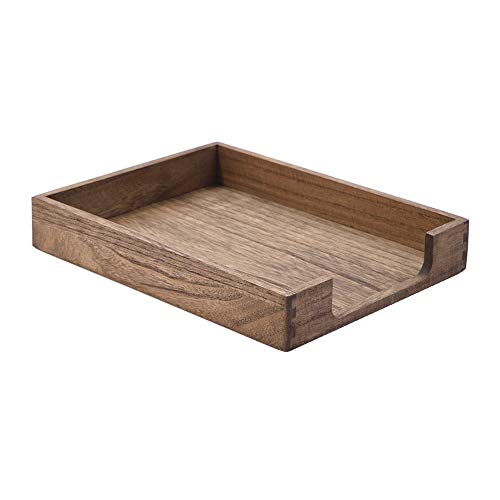
- An action tray. For bills or letters that require attention, use a small, attractive tray. The rule is that this tray must be emptied daily during your evening reset. Do not let it become a holding zone for procrastination, I repeat, Do not.
A Beautiful & Functional Umbrella Stand

In a country with a rainy season, the umbrella stand is a staple; we are not even tabling this decision.
- Compact and weighted. Choose a ceramic stand that can’t tip over, or install a slim wall-mounted rack. It holds one umbrella per person, plus maybe a spare. Nothing else.
- Wet management. Place a small absorbent mat or a tray underneath to catch drips, keeping the floor dry and safe.

A Pet Station For Your Furry Babies
If you have a dog, a small dedicated area by the door keeps muddy paws from marauding through the house.
- A sturdy hook for the leash and harness.
- A basket of old towels or paw wipes right at hand.
- A low cubby for dog boots or outdoor toys.
Everything Else
Small necessities can be tucked into a slim drawer or a pretty basket inside the cabinet. Things like shoe polish and a brush, spare keys, and a small flashlight. The key is that they remain invisible when not in use.
Creating Visual Calm (Ma) in the Entryway

Organization isn’t just about where things go; it’s about how the space feels. The genkan should feel serene, open, and welcoming.
| Idea | Description |
|---|---|
| The empty floor mandate | When not actively putting on or removing shoes, the genkan floor should be completely bare. Not a single stray slipper or kicked-off sneaker. This one rule transforms the feeling of the space more than almost anything else. |
| Concealed storage for visual silence | Wherever possible, shut shoe cabinets and coat closets behind doors. If you lack closets, install a tension rod with a simple noren (a Japanese fabric split curtain) to softly hide the storage area. Even a short cafe curtain under a console table can screen baskets from view. |
| The single focal point | Borrow the spirit of the tokonoma, the sacred alcove. In one spot, perhaps on a wall shelf or in a small niche, place a single object of beauty. A miniature vase with a seasonal flower, a smooth river stone, a hand-painted teacup. Change this item monthly or with the seasons. It gives the eye a resting place and subtly signals that this space is cared for. |
| A calming palette | Natural materials like light wood, warm stone, woven baskets, and neutral textiles calm the visual field. Avoid bright plastics, chaotic patterns, and too many competing colors. The genkan should soothe, not stimulate. |
Daily and Seasonal Habits That Keep the Genkan Perfect
A beautifully organized entryway can only stay that way if you tend it lightly but consistently. These gentle habits do the work for you.
Daily Rhythms
- The shoe rule, no exceptions. The moment you step in, your shoes are removed and immediately placed in their designated spot or cabinet. This one act alone prevents the dreaded shoe explosion.
- The 30-second arrival reset. As you walk in, perform your micro-rituals, keys in tray, bag on its shelf, coat on its hook, shoes away. Do it before you walk further into the house. No “I’ll do it later.”
- The evening sweep. During your overall home closing shift, take 30 seconds to scan the genkan. Put away any stray slippers, empty the recycling bin, and straighten the shoes so they all face neatly outward. You’ll wake up to a clean threshold.
Weekly and Monthly Touch-Ups
- Air out the shoe cabinet for an hour to prevent odors.
- Shake out or wash the entry mat. Wipe down the hard floor.
- If you have a mirror in the genkan, clean it until it’s spotless. It reflects light and makes the space feel larger.
Seasonal Rituals (Koromogae)
Twice a year, as you swap your wardrobe, do the same for the genkan.
- Deep clean off-season shoes and coats, inspect for wear, and store them in breathable boxes.
- Check umbrellas and replace any that are broken before the rainy season hits.
- Swap out seasonal accessories: wool hats and gloves go into storage, sun hats and light scarves come out.
The One In, One Out Rule
When you buy a new pair of shoes, an old pair is thanked and donated or recycled. The genkan has a fixed capacity; your collection can only improve in quality, not grow in number.
Adapting Genkan Principles to Western Homes
You may not have a traditional sunken genkan, but you can absolutely create the same psychological and functional zone. The key is to define the threshold clearly.
| Idea | Description |
|---|---|
| Define the zone with a floor change | Install high shelves or a tall, narrow closet to store shoes, coats, and bags efficiently. |
| Build a landing strip with furniture | Use a slim cabinet as a divider and drop zone. Add a key tray, hooks, and a narrow bench for easy shoe removal. |
| Use vertical space | Install high shelves or a tall, narrow closet to store shoes, coats, and bags efficiently. |
| Cubbies for everyone | Assign each person a cubby, hook, and tray for their daily essentials to keep things organized. |
| Visual anchors | Place a durable mat at the door to mark the shoe area. A shift in flooring, like tile to wood reinforces the boundary. |
Advanced Inspirations: Subtle Touches That Elevate the Everyday
Once the basics are in place, a few refined details can make your genkan a truly restorative space.
- Scent as a threshold marker. A gentle, clean fragrance near the door marks the psychological transition. A small diffuser with hinoki (cypress) essential oil, a sachet of dried lavender, or a tiny piece of fragrant wood offers a quiet sensory cue: you are home now, and it is peaceful.
- Soft lighting. Instead of harsh overhead lights, opt for a warm, dimmable wall sconce or a small table lamp on a shelf. In the evening, a pool of soft light beckons and soothes, making the entryway feel like a gentle embrace rather than an interrogation room.
- One seasonal element. In spring, place a single cherry branch in a narrow vase. In autumn, a dried lotus pod or a sprig of red maple leaves. Never more than one decorative element. This preserves Ma while connecting the space to the rhythm of the natural world.
- Embrace wabi-sabi imperfection. An uneven handmade ceramic key tray, a slightly worn wooden bench with a beautiful grain pattern, these pieces feel alive. They remind you that the genkan is a place of transition for real people, not a sterile showroom.
The Genkan as a Daily Practice
The genkan is not an interior design trend, and it’s not something you create once and photograph for Instagram and then slowly let deteriorate back into a shoe pile by the following Thursday.
It’s a daily practice of treating the entrance to your home as something worth respecting, a deliberate pause between the noise of the outside world and the calm of your private space, and that pause changes the entire tone of your evening in ways that are genuinely hard to explain until you experience it yourself.