21 Genius Home Organization Hacks from Japan That Will Blow Your Mind
This site contains affiliate links. We may earn a small commission, at no extra cost to you. Article may contain some images for illustrative purposes only .
Ever wonder how Japanese homes stay highly organized, efficient, and clutter-free? It’s not magic – it’s a systematic approach born from necessity. With Japan’s famously small living spaces and busy urban lifestyles, residents have perfected the art of maximizing functionality while minimizing effort and time.
The KonMari Method introduced many of us to Japanese organization principles, but there’s so much more to explore… from the genkan entryway tradition to the Danshari decluttering philosophy! These time-tested techniques can revolutionize any home, especially if you’re dealing with limited space or a hectic schedule.
These Japanese-inspired organization secrets will help you create a serene, efficient home that stays organized with minimal daily effort. This article does not contain just organization ideas, but it’s a foolproof guide to help you stay organized, so read till the end.
Core Japanese Organization Principles
Japanese home organization is not a collection of isolated tips. It is a coherent philosophy built on principles that have evolved over centuries of living well in small spaces. Understanding these makes every hack in this article more intuitive and more likely to stick.
Everything has a home: Every item should have one designated place it always returns to.
Visibility matters: Items should be easy to see and access without searching. Hidden clutter is still clutter — it just costs you time instead of space.
Small spaces require smart storage: Vertical space, compact systems, and multi-purpose solutions are the design standard in Japanese homes. Every inch is intentional.
Less stuff means less to organize: No storage system fixes an accumulation problem. This is why decluttering is built into the Japanese approach as an ongoing habit, not a one-time event.
Mottainai – waste nothing: Underlying all of these principles is the Japanese concept of Mottainai (もったいない), a deep cultural feeling of regret over waste. It applies not just to food or material goods, but to space, time, and effort.
These principles show how Japanese homes solve space constraints with systems, not just storage products.
1. Master the Art of Vertical Storage
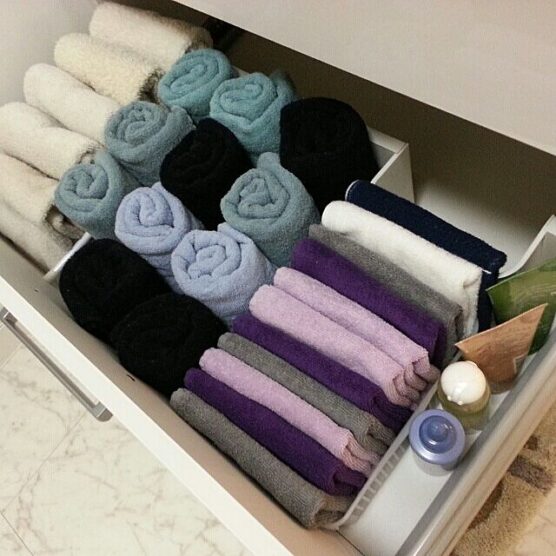
Japanese homes maximize every inch by storing items vertically rather than in traditional stacks. Roll towels, fold clothes, and arrange items upright so you can see everything at a glance.
This is the core principle behind Marie Kondo’s KonMari method. She specifically calls it “file folding,” treating clothes like documents stored upright in a filing cabinet so every item is visible at once.
This method prevents the dreaded avalanche effect when you remove one item from a stack. Each piece stays in place, and you can easily identify what you need without disturbing other items.
Apply this technique to underwear, t-shirts, towels, and even kitchen linens for dramatically improved organization.
This reflects how small Japanese homes prioritize visibility and access over stacking and hidden storage


2. Use Grid Panels
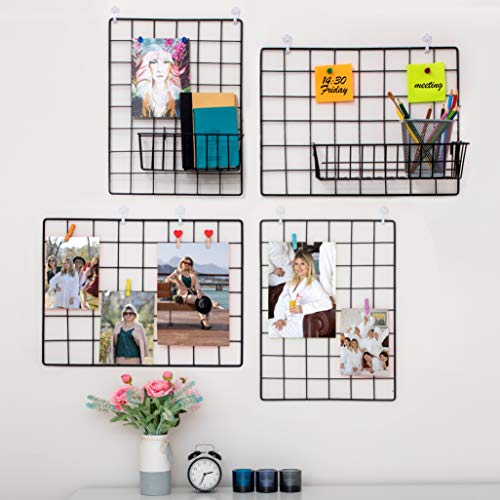
While not uniquely Japanese, this kind of flexible wall storage aligns with how small Japanese homes prioritize adaptability and vertical space
Install wire grid panels on walls or inside cabinet doors to create flexible storage without permanent drilling. Use clips, hooks, and magnetic containers to hold keys, notes, small tools, and decorative items.
These panels adapt to your changing needs – simply move hooks and containers as your storage requirements evolve. They work especially well in kitchens, offices, and entryways.
The grid system keeps frequently used items visible and accessible while maintaining a clean, organized appearance.

3. Vertical Towel Rod Innovation
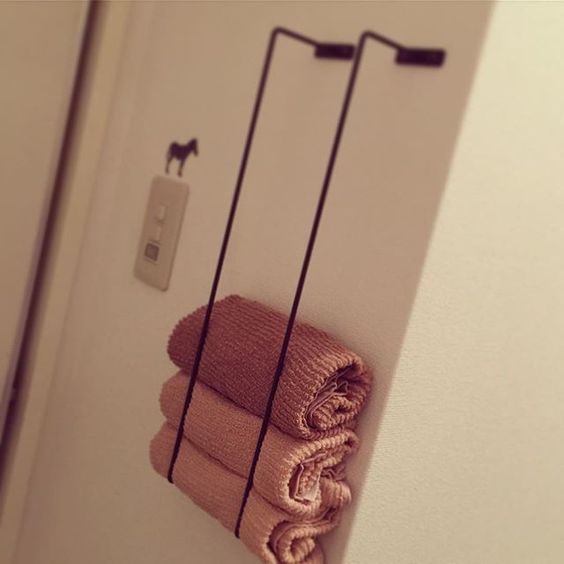
Install two towel rods vertically instead of horizontally to create a unique storage solution. Roll towels and slide them onto the vertical rods like files in a filing system.
This prevents towels from unfolding and falling, while using wall space more efficiently than traditional horizontal towel bars. Each towel stays perfectly rolled and easily accessible.
This clever hack works in bathrooms, laundry rooms, or anywhere you need organized towel storage.

4. The Genkan Coat System
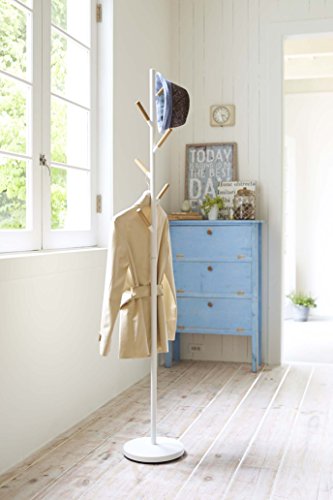
In Japan, the genkan (玄関), the entryway just inside the front door is a dedicated transition zone where outdoor items like coats and shoes are removed and stored before entering the main home.
Designate a specific area for coats, bags, and accessories using a well-designed coat hanger system. Choose sturdy materials like wood and steel that can handle daily use while complementing your home’s aesthetic.
Position the hanger near your entrance so it becomes a natural stopping point when you come home. This prevents items from being scattered throughout your living space.
A dedicated spot for outerwear keeps your closets less congested and your entryway organized.

5. Miseru Shūnō: Japanese Display Storage
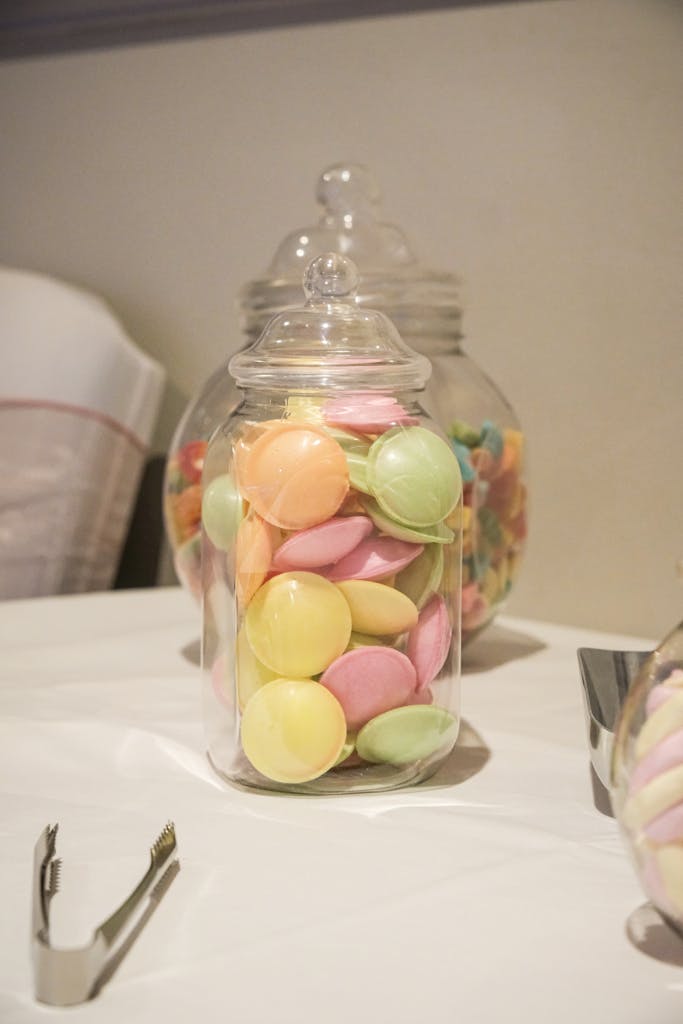
This reflects how Japanese homes use miseru shūnō (見せる収納), or display storage, the idea that everyday items, when stored intentionally and beautifully, can become part of your home’s aesthetic rather than clutter to be hidden.
Use clear glass jars to organize and display everyday items in an aesthetically pleasing way. Store everything from hair ties and coins to office supplies and craft materials.
The transparency lets you instantly see contents and quantities, while the uniform containers create visual harmony on shelves and desktops. Choose jars with similar shapes and sizes for the most cohesive look.
This method turns necessary storage into attractive décor elements throughout your home.

6. Dedicated Shoe Cabinet System
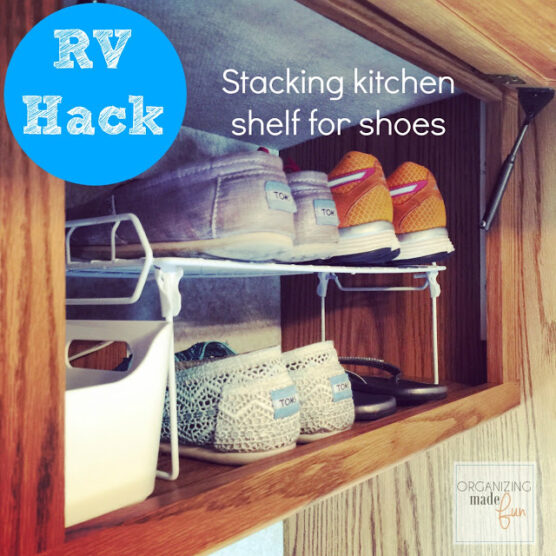
Create a designated shoe storage area, preferably near your entrance, using baskets and wire racks inside a cabinet. Choose containers with dividers to keep shoes upright and pairs together.
This mirrors the Japanese genkan tradition, where a getabako (下駄箱), or shoe cabinet, sits at the entrance so outdoor footwear never crosses into the living space, a custom practiced in Japan for over a thousand years.
This system prevents shoes from cluttering your main closets and keeps dirty footwear contained near the door. Use different-sized baskets for various shoe types – flats, sneakers, boots.
Proper shoe organization protects your footwear while maintaining a tidy entrance area.

7. Kitchen Cutlery Organization
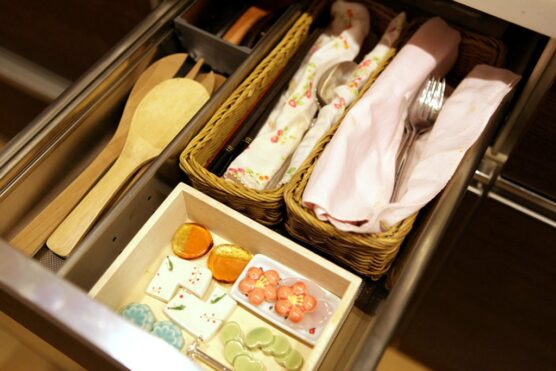
Keep your most-used drawer organized with multiple small baskets that match your kitchen’s color scheme. Separate different types of utensils and keep silverware in its own designated container.
This prevents the common kitchen drawer chaos where everything gets tangled together. Each utensil type has its own home, making cooking prep faster and cleanup easier.
This is essentially Japanese bento-box thinking applied to your kitchen drawer; each compartment has one purpose, nothing overlaps, and everything is visible at a glance.
Choose baskets that fit your drawer dimensions perfectly to maximize space utilization.

8. Plastic Bag Storage Solution
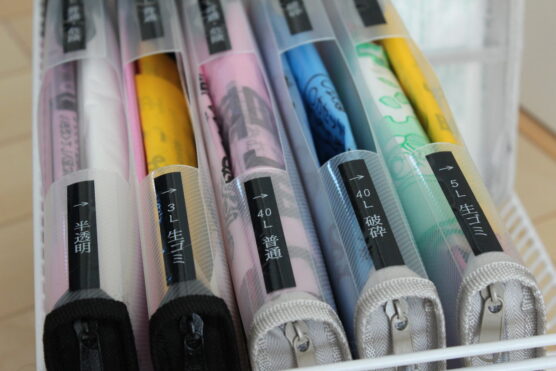
Organize various types of bags using pocket files and dividers. Fold bags neatly and store them in labeled sections so you can quickly grab the right type when needed.
This system works for grocery bags, garbage bags, and storage bags. Keep the organizer in a convenient location, like near your kitchen or entrance.
No more digging through a chaotic collection of bags stuffed randomly in drawers or cabinets.
9. Coordinated Basket System
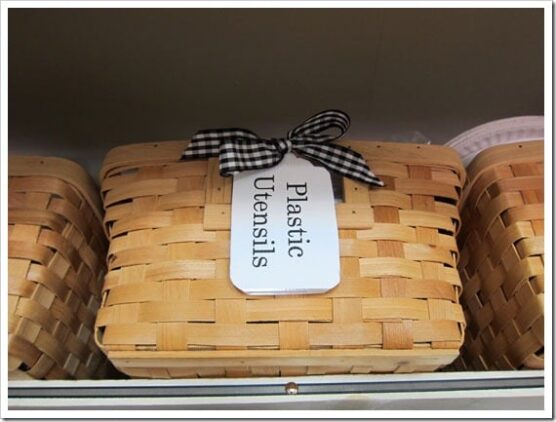
Use coordinating baskets throughout your home to categorize and contain similar items. Apply this system in every room – kitchen supplies, bathroom toiletries, bedroom accessories, living room items.
Label baskets clearly so family members know where items belong. This makes maintenance easier because everyone can follow the system.
Consistent basket sizes and styles create visual harmony while providing practical organization solutions.


10. Reusable Bag Station by the Door
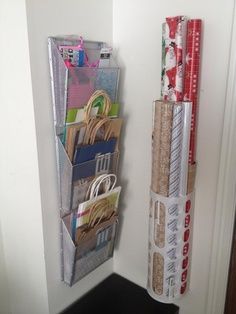
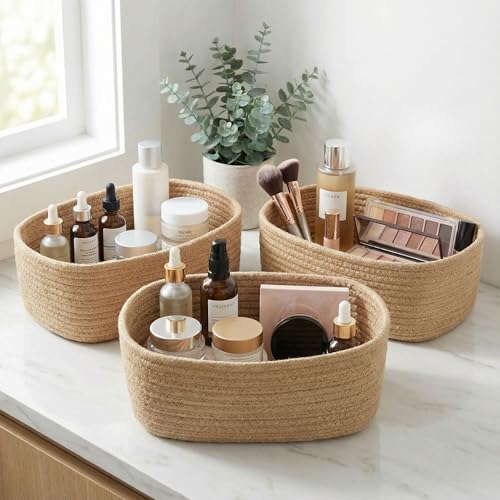
Install a wall-mounted magazine organizer near your main door to store reusable grocery bags. This creates a visual reminder to grab bags before shopping trips.
Position it where you naturally look before leaving the house – near keys, wallets, or other essentials you always remember to take.
This simple system saves money on bag purchases and supports environmentally conscious shopping habits.

11. Kasa Tate: The Japanese Umbrella Stand
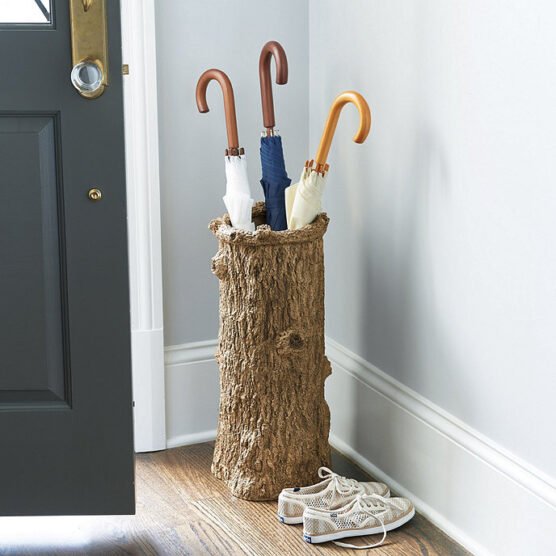
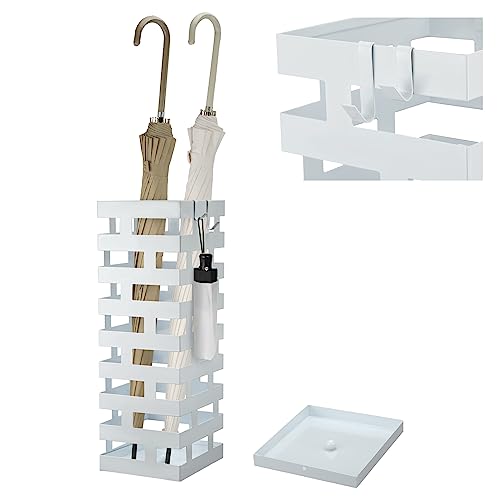
Keep umbrellas organized and accessible with a dedicated stand near your entrance. Choose a design that complements your decor while providing practical storage.
In Japanese apartments, a kasa tate (傘立て), a dedicated umbrella stand, is a standard feature of the genkan, keeping wet umbrellas contained at the door and off the floor.
This prevents wet umbrellas from dripping throughout your home and ensures you can grab one quickly when the weather changes. Position it where umbrellas can dry properly without creating puddles.
A designated umbrella spot eliminates the common problem of scattered, forgotten umbrellas throughout the house.


12. The Rolling Cart System
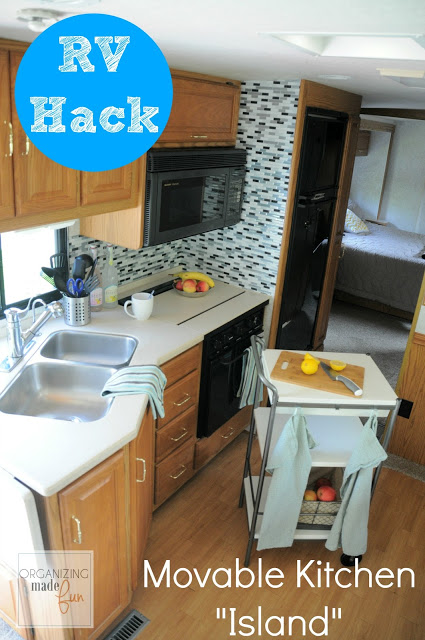
A versatile tool often used in small Japanese homes is the rolling cart – a slim, wheeled unit that moves storage to wherever you need it rather than fixing it in one place.
In the kitchen, load it with cutting boards, knives, and prep materials so you can work anywhere in the home. In the bathroom, use it for toiletries near your shower or vanity. In smaller spaces, especially, one cart can serve multiple rooms depending on the time of day.
The mobility allows you to work efficiently in any location while keeping everything contained and organized. Store backup supplies on lower shelves.
This flexible approach makes cooking more enjoyable while maintaining kitchen organization.

13. Under-Sink Storage System
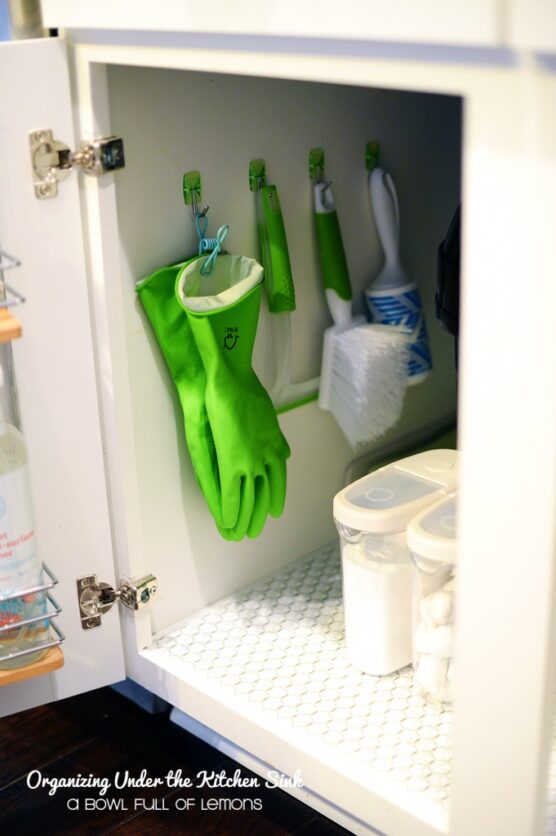
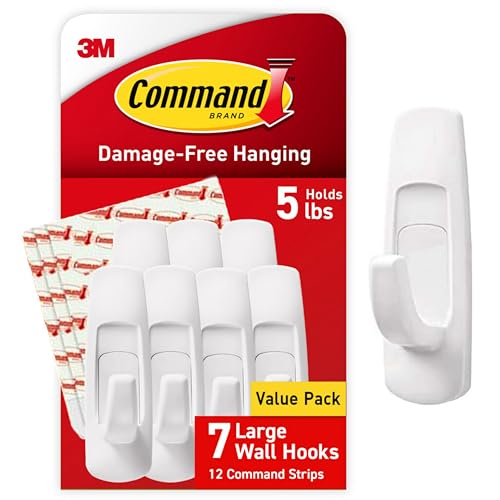
Organize the space under your kitchen or bathroom sink using hooks and containers mounted on the cabinet door. This utilizes often-wasted vertical space while keeping cleaning supplies accessible.
Install tension rods to hang spray bottles and cleaning cloths. Use clear containers so you can quickly identify supplies and monitor quantities.
This system works in any under-sink area and keeps cleaning supplies organized yet out of sight.
14. Kitchen Rail Storage System
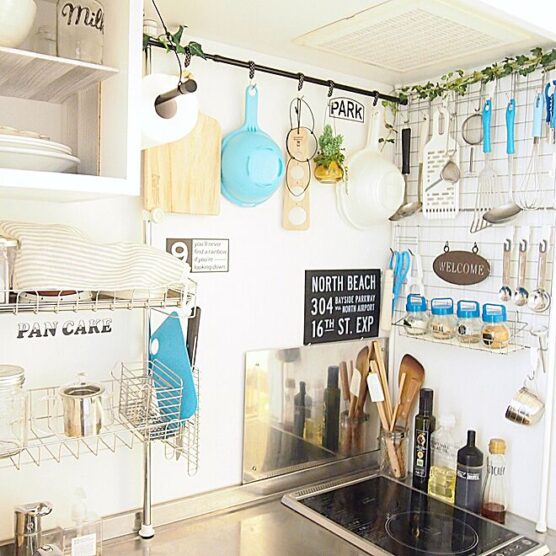
Install rails and hooks to maximize kitchen storage by hanging pots, ladles, and frequently used utensils. This frees up cabinet space for items that are better stored enclosed.
Position rails where items are easily accessible but don’t interfere with cooking activities. Group similar items together for both functionality and visual appeal.
This approach keeps cooking tools within easy reach while creating an organized, professional kitchen appearance.

15. Closet Tension Rod Shelving
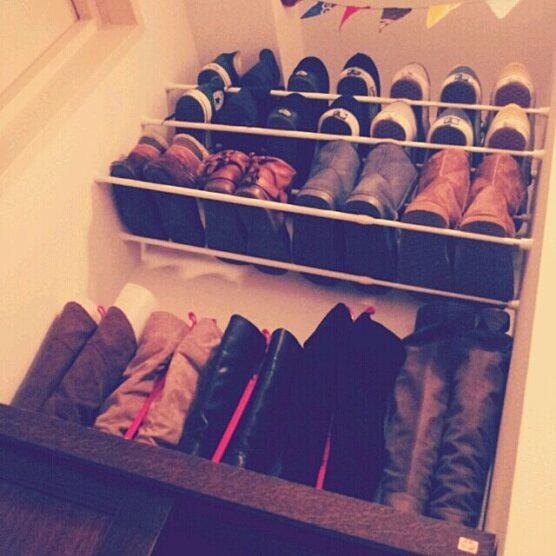
Closet tension rods are a simple way to create extra storage without installing permanent shelves. By placing tension rods horizontally or vertically inside a closet, you can divide open space into smaller sections for better organization.
This shows how Japanese homes use tsuppari bō (突っ張り棒), where adjustable tension rods are used to transform unused horizontal or vertical space into functional storage zones.
This works well for storing shoes, handbags, scarves, or small storage bins that would otherwise pile up on the closet floor.

16. Binder Clips to the Rescue
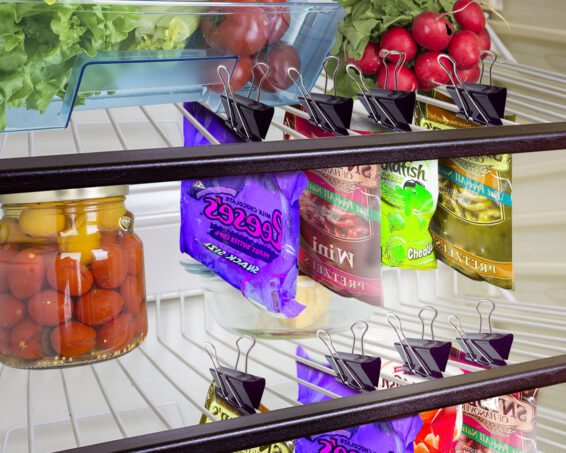
Use binder clips to organize open snack packages in your refrigerator. Fold package tops and clip them to refrigerator shelf rails to keep contents fresh and visible.
This prevents spills and makes it easy to see what snacks are available. The clips keep packages sealed better than twist ties or rubber bands.
This simple hack maintains refrigerator organization while extending food freshness.

17. In-Shower Storage Solution
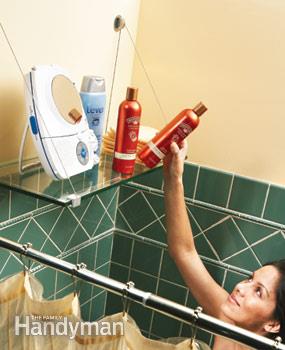
Install a shower shelf to keep toiletries exactly where you need them during bathing. This eliminates counter clutter while providing convenient access to shampoo, soap, and other essentials.
Choose materials that withstand constant moisture and position the shelf at a comfortable height for all users.
In-shower storage keeps bathrooms organized while making shower routines more efficient.

18. Portable Cleaning Station
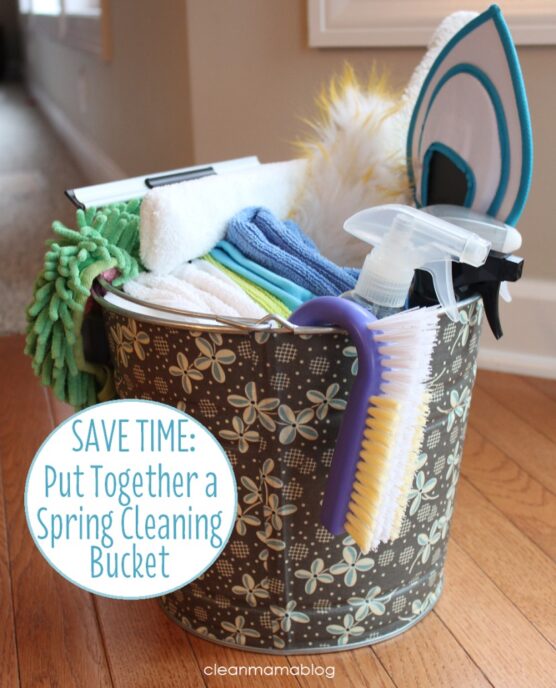
Create a mobile cleaning caddy containing all your cleaning supplies, tools, and equipment. This eliminates time spent gathering supplies before cleaning sessions.
In Japan, this kind of thorough, prepared cleaning aligns with Oosouji (大掃除), a tradition dating back centuries where homes are deep-cleaned before the New Year to welcome good fortune. Having all your supplies ready in one place makes the difference between cleaning that actually gets done and cleaning that gets postponed.
Include cleaning solutions, brushes, microfiber cloths, and any specialized tools in one portable container. Carry your complete cleaning kit wherever you’re working.
This system makes cleaning more efficient while ensuring you never start a job without the right supplies.
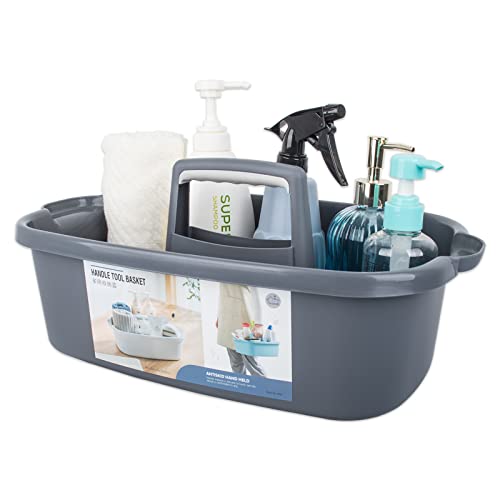

19. Drawer Bin Organization System
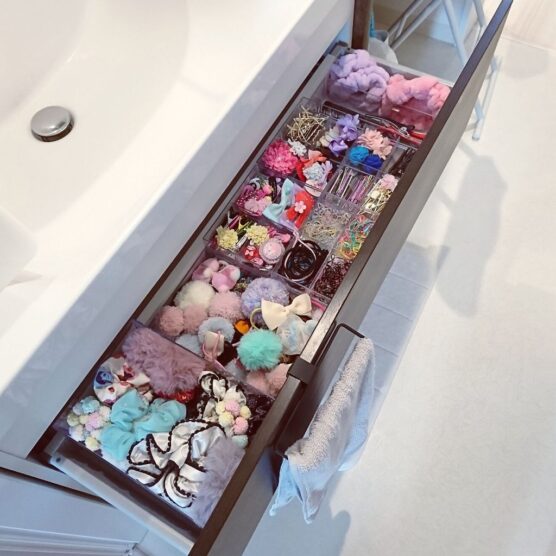
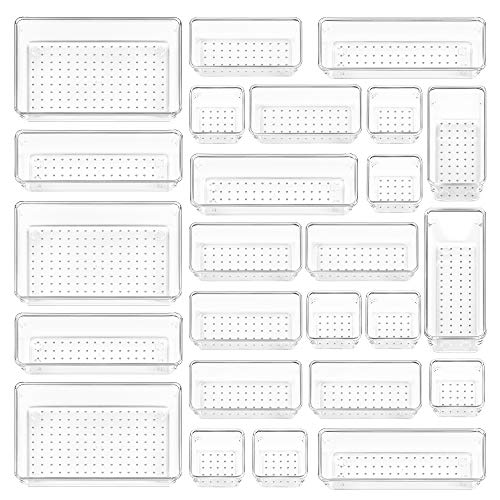
Use small plastic bins or containers to organize drawers by category. Assign each type of item its own designated space within the drawer.
This prevents the gradual chaos that develops when small items mix together freely. Each item has a specific home, making both storage and retrieval systematic.
Apply this method to bathroom drawers, office supplies, craft materials, or any collection of small items.

20. Under-Bed Storage
In Japanese homes where space is extremely limited, the area under the bed is treated as prime storage real estate rather than wasted space. Flat storage boxes on wheels slide in and out easily, making them ideal for seasonal clothing, extra bedding, and items used infrequently.
The key is using uniform, flat containers rather than random boxes, as this keeps the system visible and accessible. Label each container on the side facing out so you can identify its contents without having to pull everything out.
This single change can effectively add a full drawer’s worth of storage to any bedroom without buying new furniture.

21. Practice Danshari

Danshari (断捨離) is a Japanese decluttering philosophy coined by author Hideko Yamashita in 2009. The word breaks into three parts: dan (refuse to bring unnecessary things in), sha (dispose of existing clutter), and ri (detach from the desire to accumulate).
Unlike a storage-focused organization, Danshari addresses why you hold onto things in the first place.
Apply it by regularly assessing your belongings: Does it serve a current purpose in your life? If not, let it go rather than finding a new place to store it.
Don’t store things “just in case” unless they’re truly essential or difficult to replace.
This mindset shift prevents clutter accumulation and makes maintaining organizational systems much easier.

Daily Habits That Keep Japanese Homes Organized
- Putting items back immediately after use – small, consistent habits are what keep Japanese homes organized day to day, not occasional big clean-ups. Each item returned to its place is a micro-habit that prevents larger disorder.
- Doing small daily tidying sessions
- Keeping surfaces mostly clear – in Japanese homes, clear surfaces aren’t just aesthetic; they signal that everything has a designated home elsewhere, a mindset rooted in entryway organization principles like the genkan, applied more broadly throughout the home.
- Storing similar items together
- Decluttering regularly
How Japanese Homes Maximize Small Spaces
To make the most of compact homes, many Japanese storage systems focus on:
- vertical storage instead of stacking
- multi-purpose furniture
- hidden storage inside cabinets and furniture
- slim storage solutions for narrow spaces
- keeping frequently used items easily accessible
These Japanese-inspired systems show that organization isn’t about having more space; it’s about using space more intentionally. The key is creating systems that work with your natural habits rather than against them.
Not sure where to begin? Start here:
- 10 minutes: Try hack #1 — re-fold one drawer vertically using the KonMari file-fold method
- One afternoon: Tackle hack #21 — do a Danshari pass through one room, one category at a time
- This weekend: Set up your genkan — implement hacks #4, #6, and #11 together to create a proper entryway system