How to Style Any Room With the 60-30-10 Color Rule
This site contains affiliate links. We may earn a small commission, at no extra cost to you. Article may contain some images for illustrative purposes only .
How do certain rooms just feel “right” while others feel off? Interior designers have been following a general rule for decades that almost guarantees to nail the right look in your space. It’s called the 60-30-10 rule, and it’s surprisingly simple to use.
Dominant color: 60%. Secondary color: 30%. Accent color: 10%.
By using this basic concept, your space will suddenly feel balanced rather than like a mishmash of things you tossed in there. It’s a formula that is really difficult to mess up once you learn it.
What Is the 60-30-10 Color Rule?

The 60-30-10 color rule is a simple way to deconstruct the various colors in your room so that it all appears intentional rather than completely chaotic.
Your primary or dominant color will cover around 60% of your space, including walls and larger furniture pieces. Your secondary color should make up about 30% of the room, including secondary furniture pieces or your trim. And lastly, the remaining 10% is where you can get creative with bold pops of accent color using throw pillows, wall art, or smaller decorative accents.
For instance, in neutral bedroom styling, this rule can help you create a cohesive and visually appealing space by strategically balancing colors and textures.
Breaking Down the 60% Dominant Color
Your dominant color is the main player of the room. It covers around 60% of the space – this is your walls, that large sofa, and even the floors in some cases. Neutral color palettes drawn from Scandinavian design principles can provide a calming backdrop that helps create a serene and versatile space.
Try to keep the dominant color fairly neutral or at least toned down in some way. If you were to paint a bold or bright color like this on most of your walls, chances are that you would quickly get tired of it.
You’ll want to consider the level of natural light your room receives, the actual size of the room, and the purpose of the space before you select your dominant color, as these all play a key role in your color choice, which in turn will be such a large portion of the room.
Choosing the 30% Secondary Color
Your dominant color has been chosen, now it’s time to select your secondary shade, which will cover around 30% of your space. This color should both complement and enhance your primary color, as well as add a bit of visual interest.
The best way to do this is to look at the colors adjacent to your main color on the color wheel. If you’re feeling more adventurous, then you could also opt for something that contrasts.
You can incorporate this secondary color into furniture pieces, an accent wall, and/or other larger decor pieces. It should pair nicely with your main color while still being distinguishable.
Transitional design styles often use this approach, combining colors and textures from different design eras to create a harmonious and visually engaging space.
Using the 10% Accent Color Effectively
This is where the fun begins – your 10% accent color. This is where you can get bold and have a little fun. Throw pillows, vases, wall art, and those small decorative objects? These are where your accent color comes into play.
This will also create visual interest, as well as lead the eye around the room. A pro tip is to space these accents throughout your space rather than plopping them all in one corner, as when dispersed it has more impact and the room feels more balanced. Ceramic pieces like sculptures or figurines can be an effective method for placing accent color throughout a room, creating depth and visual interest.
Applying the 60-30-10 Rule to Different Rooms
Living rooms and open-plan spaces

Living rooms and open-plan living spaces are where you’ll most likely be using this rule more than anywhere else in the house.
You’ll want to make sure your 60% dominant color binds everything together so that you don’t end up with separate areas competing with one another.
Then take your 30% secondary color and use that to delineate between different areas – maybe the dining area has more of this than the TV area.
Spread your 10% accent color throughout the whole space within your accessories. This will help your eye naturally move around.
The goal is to make the space feel cohesive but also ensure each area has its own function and doesn’t look choppy.
Bedrooms and relaxing spaces

Bedrooms and other restful environments need a slightly different application of the 60-30-10 rule to what you would do in a living room.
You want to create a space that is calm and relaxing, so that when you sleep you actually sleep.
Select a soothing shade for your 60% main color. Soft neutrals or light blues are great colors that won’t keep your brain buzzing at night.
Your 30% secondary color should also be fairly tame, such as in your bedding or curtains.
You should use the 10% accent color extremely sparingly in a bedroom – maybe just in a couple of small accessories or one piece of artwork. You don’t want to disturb the serene atmosphere you’ve gone to so much effort to create.
Kitchens and dining areas

Kitchens and dining areas are a world apart from bedrooms. They are spaces that require more energy as this is where activities are performed and where we entertain guests.
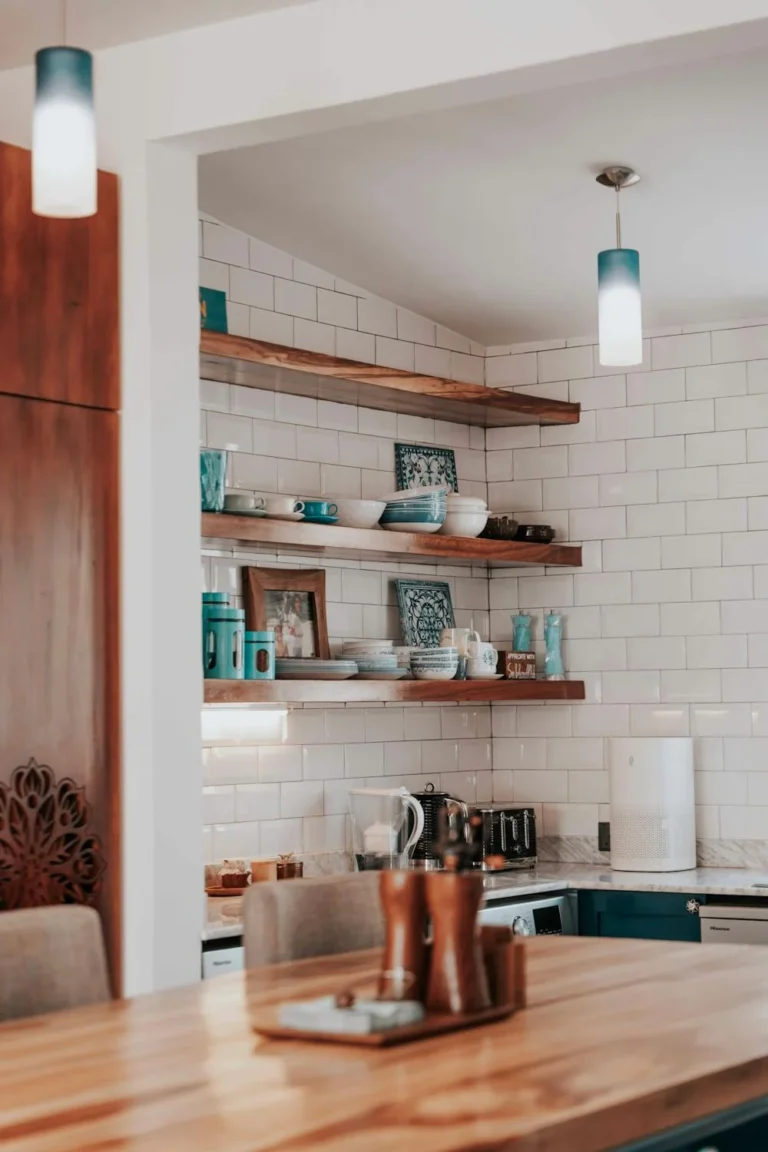
You’ll want to use whites or light neutral shades for your 60% base – think cabinets and walls. Wood tones are great for warmth, or if you want to go bold, you can do this with your 30% section.
The 10% section is where you can let loose – use bright pops of color in your accessories and dishes to make people talk and make you even more hungry, perfect for the kitchen.
Simply put, the 60-30-10 rule is much more effective when used more energetically in these spaces.
Bathrooms and small areas

Bathrooms and tight spaces are a bit of a challenge when it comes to using the 60-30-10 rule.
Light colors like whites or pale blues are best for the 60% base as this will make the room appear much bigger than it is.
Your 30% color can go on towels, shower curtains, or if you have a vanity, then you can use it here too.
The 10% accent color is where the fun begins – soap dispensers, toothbrush holders, or one really standout piece of art that pops. It’s easier than you might think.
Home offices

A home office needs the right colors in order to perform well and get things done. Start with your walls in a neutral color such as a light gray or beige. This should take up about 60% of your space and help to keep you focused.
Your desk and shelving should be in a secondary, complementary color, and this should account for about 30% of your room. The final 10% is where you can add some pops of color with desk accessories, art, or even a funky chair if you want.
Blue is great for those who need to concentrate a lot, while yellow works well if you need to be creative. The key is to keep most items neutral so you aren’t distracted, while adding enough color to maintain interest.
How to Choose Colors That Go Together
Believe it or not, it isn’t too difficult to pick colors that go together once you know the basics. A color wheel is your best friend here – colors that are directly opposite each other on the wheel are known as complementary and they make each other pop, while colors that sit next to each other are known as analogous and they tend to be more mellow when used together.
You also need to consider the lighting of your room. Natural light reveals what the colors truly look like, but artificial lights can have a significant impact on how they look. Also, there are undertones that people often forget about, but they are very important because they are the ones that can make colors clash or work well together.
Repeating colors without repetition fatigue
Look, many people end up with spaces that are incredibly boring due to them using the same exact colors throughout. The secret is to keep your palette, but then use more muted versions of the same colors in one room and a deeper/darker version of the same colors in another room. See, that’s all it takes.
You can also switch up your accent colors – for example, maybe your secondary color becomes the accent color in one room, and your accent color is used as a secondary color in another room.
In this way, everything will still flow and feel connected, but you’ll avoid that same repetitive look that makes a house feel like one giant box with the same paint throughout.
When to Break the 60-30-10 Rule
The 60-30-10 rule is an excellent rule of thumb but, like all rules, there will be times to break it.
Minimalist rooms don’t need it – you’re working with one color anyway! Maximalist rooms also don’t need the rule, as you’re going to be throwing in bold splashes of colors throughout regardless.
Open floor plans can be quite difficult to work with as you have such a large space. This can often mean that you need to use your colors in a different way in order to have everything flow together. Finally, if you have some interesting architectural feature in your home, like a fireplace or some wacky molding, this feature may need its own color to stand out even if it throws off the percentage juggling.
Essentially, the rules should be broken if they don’t make sense for your space. Think about how breaking some traditional design rules can be used to create a one-of-a-kind holiday look and feel with festive decor elements.
Final Styling Tips for Creating a Balanced Color Palette
Now that we have gone over how to break the rules, it’s time for some real styling tips to ensure your space always looks its best no matter which approach you take.
Test your colors first before committing – the lighting in your space will change the entire look and feel of your colors.
Add different textures that match your colors, as this will also create more interest.
Swap out pillows and the like depending on the season if you want a change of look without having to repaint.
Try and find the right balance of doing things by the design rule book and doing what’s right for you and your family.